High Costs of Heroin Addiction Treatment Put Significant Strain on Families
Heroin abuse continues to rise nationally and in Alabama, leaving more people searching for ways to kick addiction. Families ask friends, professionals and scour the Internet looking for the best, and most affordable, treatment for their loved one. But the financial burdens can be crippling, sometimes thousands upon thousands of dollars.
A Lengthy and Expensive Battle
Lucy Cingoranelli thought she was like any other single mom of two teenage kids. Until, a few years ago, she found out that her son was addicted to heroin. It turned her life inside out.
“It cost me my marriage. I’ve lost two apartments. I’ve had my car repossessed,” says Cingoranelli. “I’ve had my power cut off and my cell phone cut off, all because I’m trying to pay for Chris to get help.”
After years of struggling, these days Cingoranelli’s life is relatively normal. Playing with her dogs in her kitchen, she smiles and says her son is seeking treatment and doing well.
Her story is extreme, but not completely unique. Families go to great lengths to save a loved one from drug addiction. Besides the emotional costs, treatment can be very expensive.
“There’s a significant out of pocket cost for treatment,” says Bronwyn McInturff, admissions coordinator for the UAB Addiction Recovery Program. She says a residential treatment program averages about $25,000.
“Even if insurance is covering, they won’t cover all of the care. There will be co-pays, there will be daily co-payment to see the physician. If somebody’s with us in the spend-the-night residential care, there’s a room and board fee.”
Insurance Companies and “Medical Necessity”
Insurance coverage for drug rehabilitation can get cloudy. For example, McInturff says insurance companies might tell a family they’ll only cover a certain percentage of addiction treatment costs based on “medical necessity.” Medical necessity is a relative term. If a health care professional doesn’t declare treatment a “medical necessity,” most insurance companies will only pay a fraction of the overall costs.
“Insurance companies don’t want to pay for treatment,” says Angela Camp of Bradford Health Services, a drug addiction recovery facility in Birmingham. “They want patients to step down to a lower level of care. What we believe is appropriate for a patient and what many insurance companies believe is appropriate aren’t exactly the same thing.” Camp says treatment centers and insurance companies are often at odds, and she’s seen many individuals and families unable to pay.
Need on the Rise
Foster Cook heads the Treatment Alternatives For Safer Communities of TASC program. He says his clients have tripled in the last two years, mostly because of heroin. He says families have a tough time finding the right care.
“Generally, people go on the internet and they start looking for places to find the one with the banner ads, or they find the ones that make claims or whatever, and that’s the door they go in,” Cook says.
Cook says paying thousands of dollars for treatment can be effective, but it’s no guarantee of success. According to the Substance Abuse and Mental Health Services Administration (SAMHSA), heroin addition treatment success rates for outpatient medication therapy has a 35 percent success rate. Residential programs fare better with a 65 percent success rate. Even with that higher rate, it still means 35 percent of those receiving treatment will likely return to heroin.
Even if treatment does seem to work, families have hard choices to make. One Homewood father said he and his wife paid about $100,000 for their college-age son’s treatment, therapy and legal bills. He asked we not use his name to protect his family’s privacy. After trying to help his son, he says the family finally couldn’t do it any more.
“I’ve told him and it meant it, I love you, that I will be there for you, but have nothing left to give you. I will come and visit you on a street corner and bring you a sandwich. I’ll come see you in jail. This is your one best shot to turn things around,” he says.
This father says his son is finally recovering and continues to find his place in the world. But the strain on his family continues.
“I would be hard to say we came out stronger. We not tempered steel. We’re a little banged up,” he says. He finishes by saying his son’s addiction and recovery has left some battle scars on each family member. With a deep sigh, he says he’s thankful his entire family pulled together to help his son through heroin addiction.

Crew of fatal US military crash included Alabama father recently deployed
The six U.S. service members who died in the crash of a U.S. military refueling aircraft included an Alabama father who had just been promoted and deployed. The U.S. government released the identities of the deceased service members Saturday.
Alabama poised to drastically overhaul utility regulation. Will it lower electric bills?
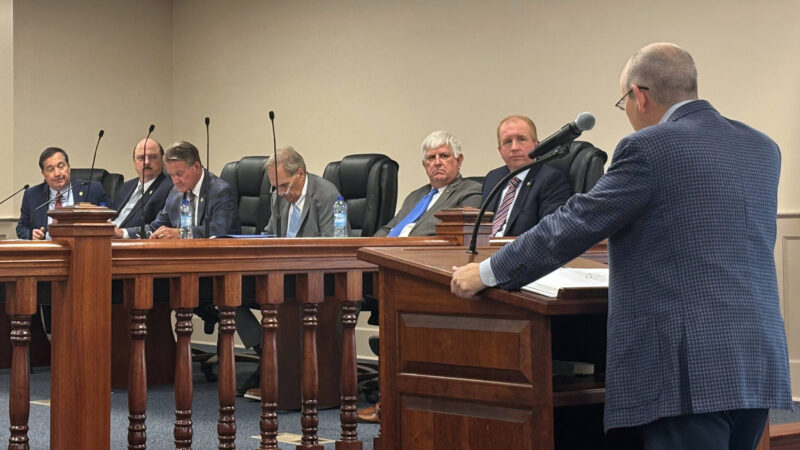
The Alabama Senate unanimously voted to expand the public service commission, and create a Secretary of Energy to address rising electricity prices. A bill in the House would go even further, requiring rate case hearings and limiting utility profits.
Musher from Alabama is going for back-to-back Iditarod wins
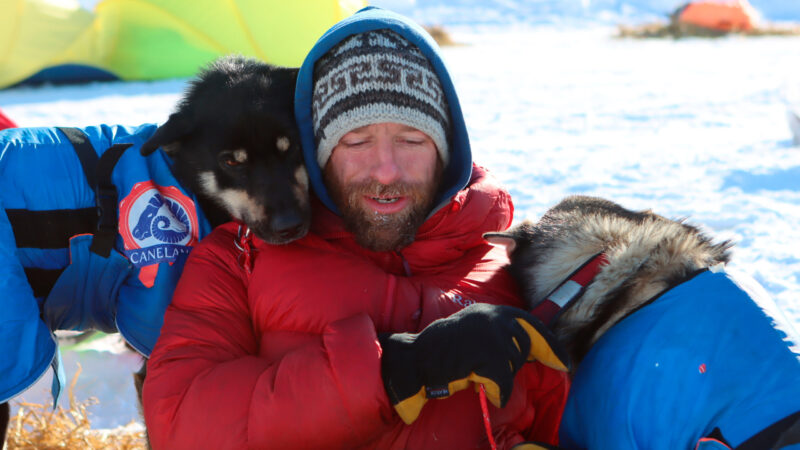
Riches and paid appearances haven’t followed Jessie Holmes since he won the world’s most famous sled dog race, the Iditarod, last year. He doesn't mind.
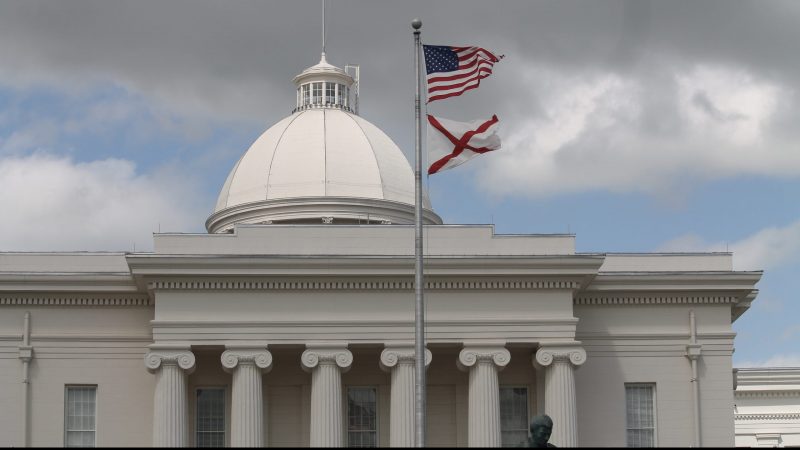
Bill would move Alabama to closed primaries
Right now, any Alabama voter can participate in a primary election. Lawmakers in Montgomery took up a bill this week that would change that system.
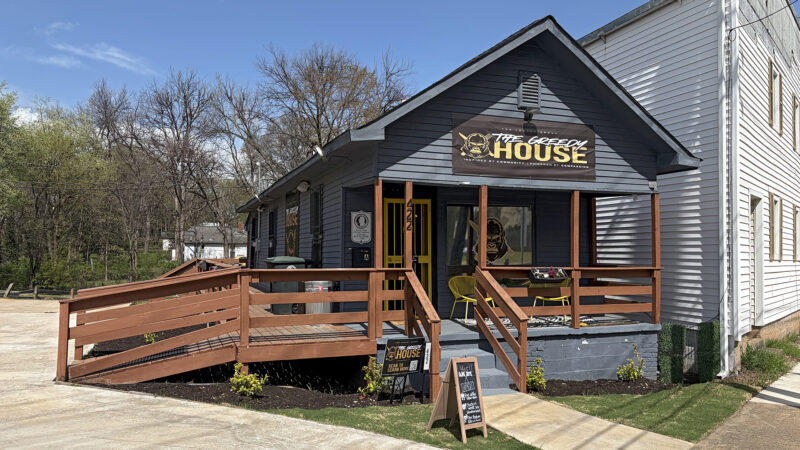
Auburn football player uses NIL funds to open a community hub in Birmingham
Jourdin Crawford, a freshman defensive lineman at Auburn, used earnings from a Name, Image, and Likeness deal to give back to his hometown.
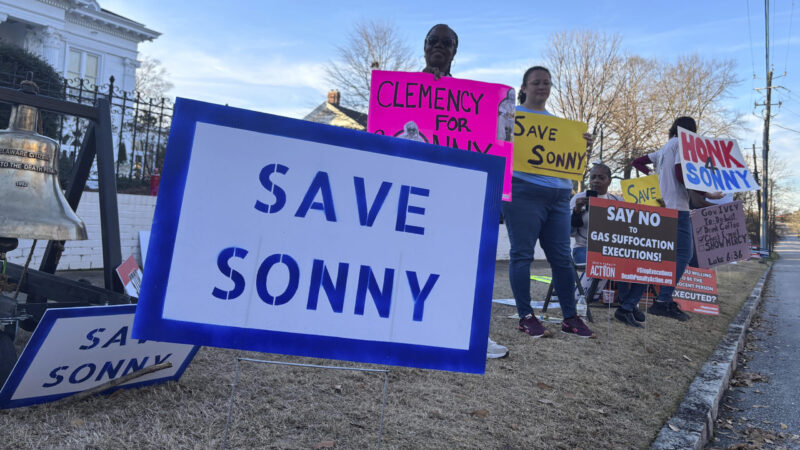
Ivey commutes death sentence of inmate whose accomplice fired fatal shot
Charles “Sonny” Burton was sentenced to death for the killing of Doug Battle during a 1991 robbery. However, another man shot Battle when Burton had left the building.