
A Bridge Between Police and Teens
When Timothy Jordan walked into a room with six police officers in uniform, he wanted to turn back around and leave.
Jordan, who is black, is in the 11th grade.
He had a confrontation with police as a 13-year-old. He was at a skate rink and asked to leave for wearing an un-tucked shirt. He got an attitude, a police officer escorted him out of the rink and pushed him up against a car.
Jordan says it was scary. He still sees police officers as scary.
This encounter may be small, but this summer has seen headline after headline of violent encounters between people of color and law enforcement. In some cases, officers shot and killed black men. In others, police were the target of bullets. Now a Birmingham organization is trying to create a bridge between police and teens.
Timothy Jordan was part of that effort. Earlier this month as students joined Birmingham police officers for a facilitated conversation at the Birmingham Public Library’s Springville Branch. It was organized by CommuniSafe, an education organization encouraging positive relationships between police officers and young people.
Huffman High School science teacher Katherine Smith co-founded CommuniSafe last year with her husband and mother-in-law.
“Our goal is to bring authority figures and students together and just sit face to face and have a conversation with each other,” says Smith.
Smith has been concerned about the relationship between youth and law enforcement ever since she started teaching in a low-income school in Mississippi four years ago.
When she started reaching out in Birmingham last year, police officers were reluctant to commit.
“Prior to Baton Rouge, Minnesota and Dallas, it was difficult to get people on board,” says Smith. “We didn’t want to single anyone out…Nobody really one wanted to touch the subject. Now it seems like everybody’s recognizing that we have to start talking about this.”
Now, Smith says, police officers want to talk. The Birmingham Police department sent six officers to participate in this initial CommuniSafe dialogue. They couldn’t all fit at the table.
Talking It Out
The facilitator directs the dialogue around the themes of stereotypes, power and authority.
Jordan says all he hears about the negative ways officers treat young people
Across the table, Officer Clayton Whitfield gets why people may have a negative perception of police
“We are in the line of work of we put bad people away,” says Whitfield. “So in turn when you first see us the first thought isn’t, ‘Oh hey, it’s police.’ It’s, ‘Hey, I’m doing something wrong’ or ‘Why are they even here in the first place?'”
While he can sympathize, Whitfield says doing his job is incredibly hard.
“Now we’re being attacked and ambushed. To be honest with you, everyday I put on my bullet proof vest, I’ve actually thought of myself as being nonexistent ’til I take it off,” says Whitfield. “We need to communicate and let everyone voice their opinion so we can answer questions that no one seems to be answering or at least attempt to.”
The students ask about what police officers learn at training and the officers ask about student reactions to law enforcement. And it’s not just the youth who are curious. Jordan’s mom asks if police are trained to “shoot to kill” or “shoot to disable.”
An officer says the answer is shooting to kill. He says it minimizes risk
The big question, though, is if dialogue like this can improve police and youth interactions so physical altercations can be avoided altogether.
The police officers around the table are optimistic. It’s their responsibility, they say, to change the way people see law enforcement. One way is to talk to young people as they’re doing in this event.
Timothy Jordan’s feelings toward the police have changed since he first walked into the room.
“If any of my friends right now found out I was sitting in there with police officers just talking, they say he snitching…being friendly with the police,” says Jordan.
Sitting down and talking to one another, Jordan says, is how police officers and youth can understand each other.
CommuniSafe is developing a curriculum that can be taught in Birmingham and Jefferson County schools. It’s one way CommuniSafe founders hope to mend a fraught relationship that has too often resulted in bloodshed.

Crew of fatal US military crash included Alabama father recently deployed
The six U.S. service members who died in the crash of a U.S. military refueling aircraft included an Alabama father who had just been promoted and deployed. The U.S. government released the identities of the deceased service members Saturday.
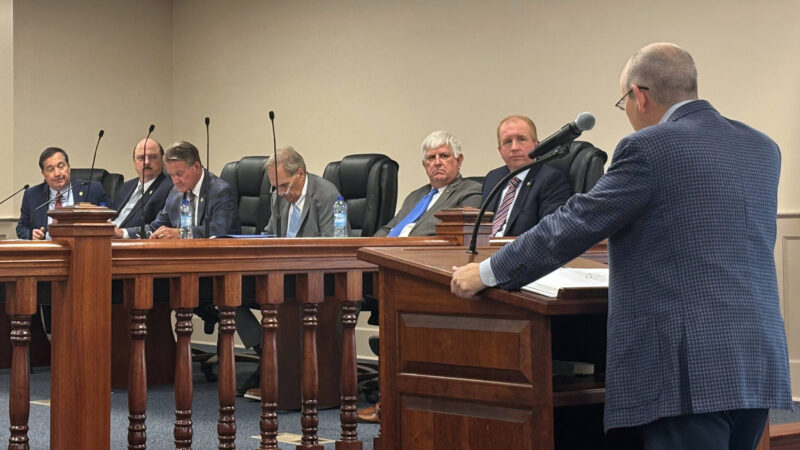
Alabama poised to drastically overhaul utility regulation. Will it lower electric bills?
The Alabama Senate unanimously voted to expand the public service commission, and create a Secretary of Energy to address rising electricity prices. A bill in the House would go even further, requiring rate case hearings and limiting utility profits.
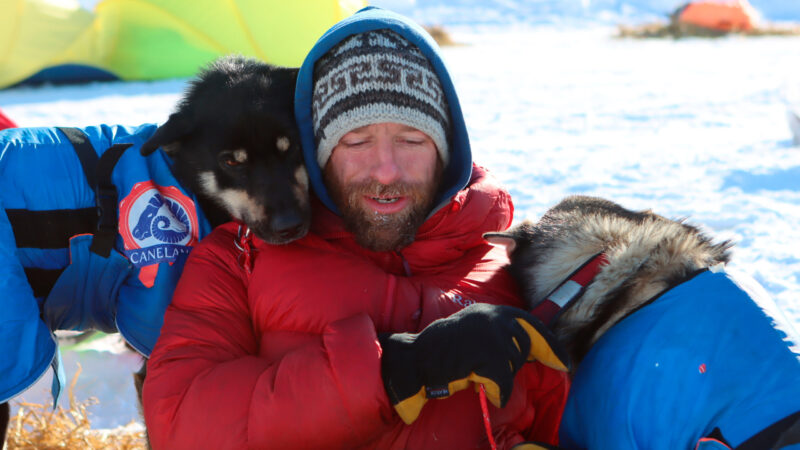
Musher from Alabama is going for back-to-back Iditarod wins
Riches and paid appearances haven’t followed Jessie Holmes since he won the world’s most famous sled dog race, the Iditarod, last year. He doesn't mind.
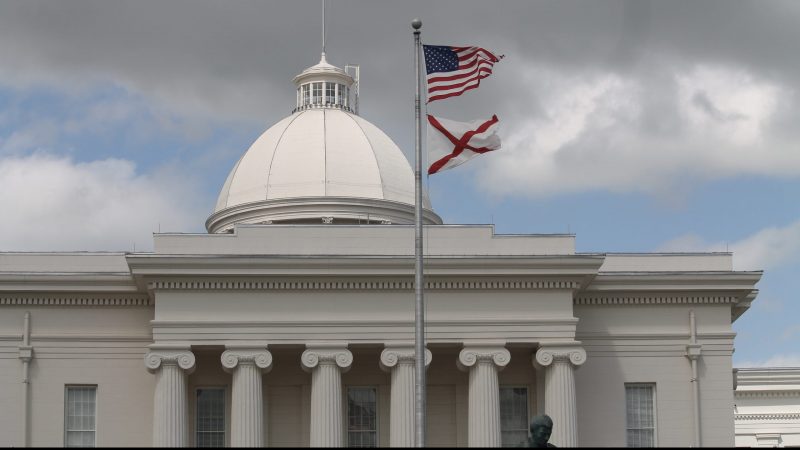
Bill would move Alabama to closed primaries
Right now, any Alabama voter can participate in a primary election. Lawmakers in Montgomery took up a bill this week that would change that system.
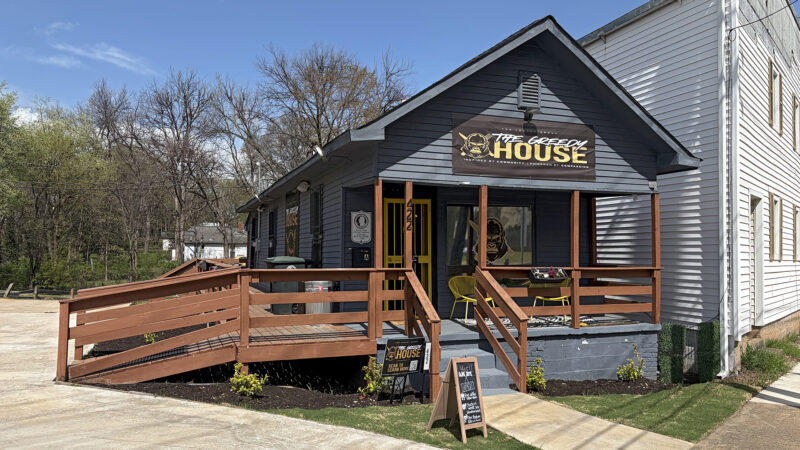
Auburn football player uses NIL funds to open a community hub in Birmingham
Jourdin Crawford, a freshman defensive lineman at Auburn, used earnings from a Name, Image, and Likeness deal to give back to his hometown.
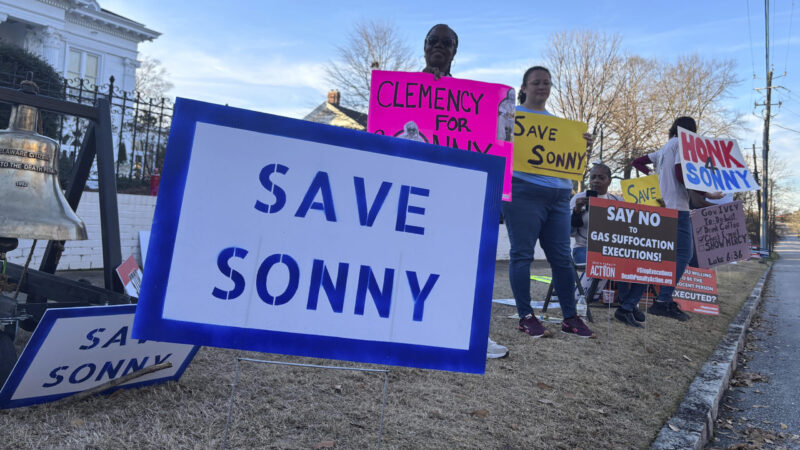
Ivey commutes death sentence of inmate whose accomplice fired fatal shot
Charles “Sonny” Burton was sentenced to death for the killing of Doug Battle during a 1991 robbery. However, another man shot Battle when Burton had left the building.