
UAB Researchers Use CRISPR Technology to Target Childhood Syndrome
In the last couple of years there’s been a bonanza in life sciences around something called CRISPR. This is a process that bacteria do naturally as a defense mechanism, but scientists have figured out how to use it to snip out specific genes from DNA and replace them. In other words, it makes cheaper and more precise genetic editing possible.
“This kind of CRISPR technology that many people are practicing now is going to change the whole field of medicine,” says Tim Townes, director of the UAB Stem Cell Institute.
Townes led a team that published a paper Thursday in Cell Reports on their use of CRISPR to develop a potential new cure for a troubling condition in children. It’s called severe combined immunodeficiency or SCID. Children born with SCID have no immune response so they can’t fight invading viruses or bacteria. It’s more popularly know as the “bubble boy” syndrome. The only current treatment is a bone marrow transplant. Otherwise SCID is fatal.
Townes received skin cells from a patient who was successfully cured through a bone marrow transplant. His team then changed those cells to stem cells and used the CRISPR technique to change the one DNA base pair that causes SCID. The idea is that those cells would then be converted to blood stem cells and transplanted back into the patient, curing him or her.
“So they would be getting their own cells. But those cells would be corrected,” said Townes.
The Food and Drug Administration hasn’t allowed any studies on people using CRISPR yet, but Townes expects UAB to start clinical trials on the SCID therapy within two years.
While CRISPR has the potential to revolutionize biology, from curing genetic diseases to creating mosquitos that can’t carry malaria, it comes with weighty ethical concerns. Scientists and bioethicists are already warning about unintended consequences from changed genes, particularly if they are passed on to children. Also, CRISPR could theoretically be used to by parents to create “designer babies,” genetically engineered for desirable traits.
Scientists in China prompted an uproar earlier this year when they announced they used CRISPR to alter genes in human embryos.
Townes said they check carefully they only change the base pair targeted. He also says they’re only interested in curing disease.
“Any technology can be used for good or not so good purposes,” said Townes. “We want to develop new technology and it’s up to society as a whole to apply them in the correct way.”
Extra: Radiolab explains CRISPR

Crew of fatal US military crash included Alabama father recently deployed
The six U.S. service members who died in the crash of a U.S. military refueling aircraft included an Alabama father who had just been promoted and deployed. The U.S. government released the identities of the deceased service members Saturday.
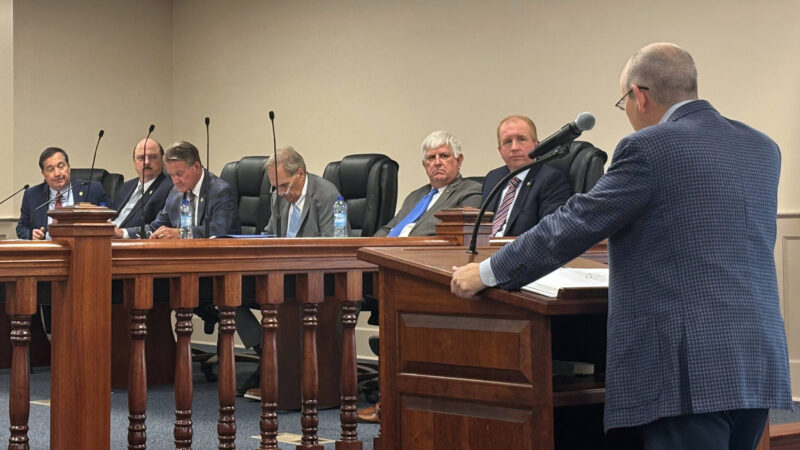
Alabama poised to drastically overhaul utility regulation. Will it lower electric bills?
The Alabama Senate unanimously voted to expand the public service commission, and create a Secretary of Energy to address rising electricity prices. A bill in the House would go even further, requiring rate case hearings and limiting utility profits.
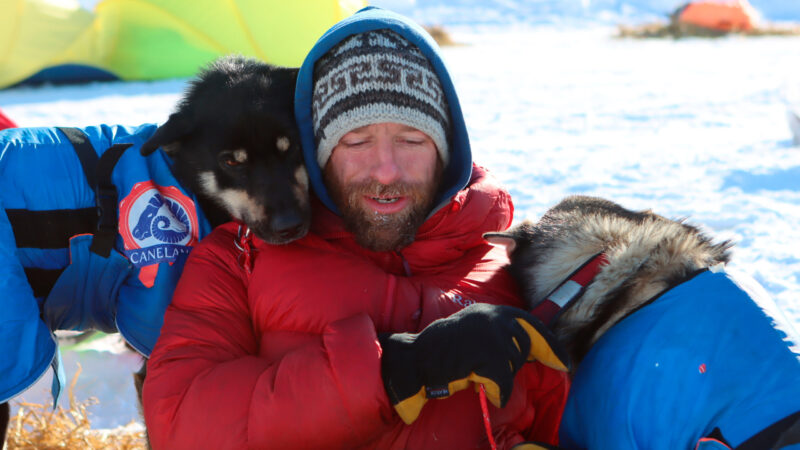
Musher from Alabama is going for back-to-back Iditarod wins
Riches and paid appearances haven’t followed Jessie Holmes since he won the world’s most famous sled dog race, the Iditarod, last year. He doesn't mind.
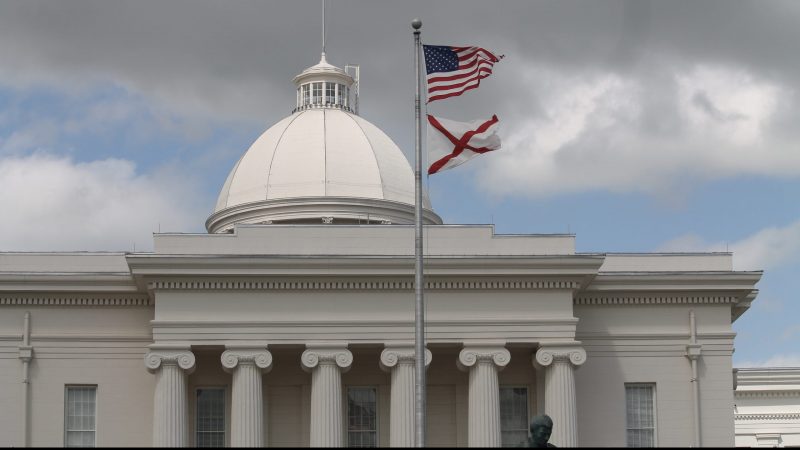
Bill would move Alabama to closed primaries
Right now, any Alabama voter can participate in a primary election. Lawmakers in Montgomery took up a bill this week that would change that system.
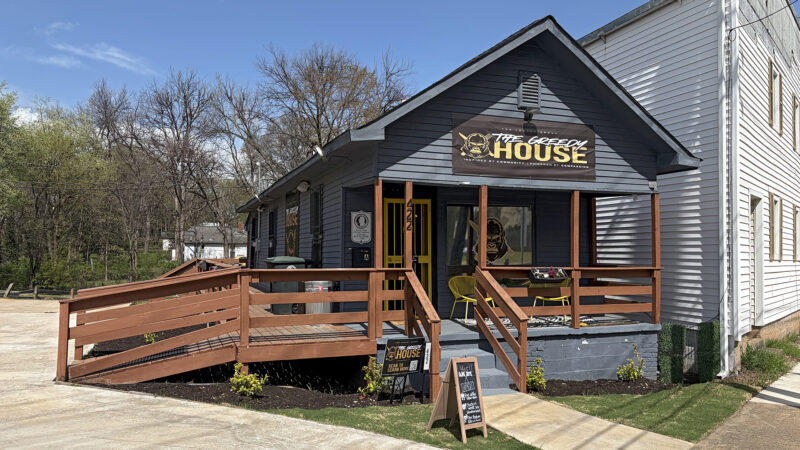
Auburn football player uses NIL funds to open a community hub in Birmingham
Jourdin Crawford, a freshman defensive lineman at Auburn, used earnings from a Name, Image, and Likeness deal to give back to his hometown.

Ivey commutes death sentence of inmate whose accomplice fired fatal shot
Charles “Sonny” Burton was sentenced to death for the killing of Doug Battle during a 1991 robbery. However, another man shot Battle when Burton had left the building.