
An International History of the American Civil War
Americans tend to think of the Civil War as a domestic conflict, as a war between brothers. But the war didn’t take place in a vacuum. It had great implications for the international community. University of South Carolina history professor Don Doyle examines the Civil War through an international lens in his book “The Cause of All Nations.” He spoke to WBHM’s Andrew Yeager.
An extended interview:
Don Doyle’s thoughts on the current controversy over the Confederate battle flag:
Interview Highlights
What’s missed by ignoring an international perspective of the American Civil War:
“The European world and the Latin American world especially were watching this war, this American conflict. It was important to them, partly because their governments, particularly in Britain, France and Mexico, they had a lot at stake in the war. There was concern that Britain or France or both might become involved in either a war with the United States or an alliance with the Confederacy…They were also concerned, of course, that the war meant disruption of the cotton trade. That would bring and did bring great distress to all of northern Europe, not just Britain.”
How Europeans viewed the United States as war broke out:
“The United States is the exemplar of the democratic experiment or the republican experiment. That idea that people could govern themselves without kings, without priests. In most of Europe, the republican experiment, which was raised of course with the French Revolution and continued to be an embattled project, it had failed. And when I say failed it had been squashed. And now the so-called great republic that they saw across the Atlantic was failing. So for aristocrats, they were delighted.
“But for others who believed that people could govern themselves, they saw the American question as their own battle. They saw themselves having a lot at stake in the outcome of what they called the American question.”
Why the North denied that slavery was a cause of the war when the conflict began:
“Lincoln had to deny that he had any power and then he went further to deny that he had any intention to interfere with slavery in the states where it already existed. What Lincoln was trying to do was say, look, this is a rebellion without cause. I do not threaten slavery in the states. These people are declaring their independence first, because of a false fear, an ungrounded fear of abolitionist intentions of the Republican Party and Abraham Lincoln. And he wanted to demonstrate to the world and to those who might recognize the South that this a rebellion and insurgency that is without any kind of moral, constitutional or legal grounding or legitimacy.”

Crew of fatal US military crash included Alabama father recently deployed
The six U.S. service members who died in the crash of a U.S. military refueling aircraft included an Alabama father who had just been promoted and deployed. The U.S. government released the identities of the deceased service members Saturday.
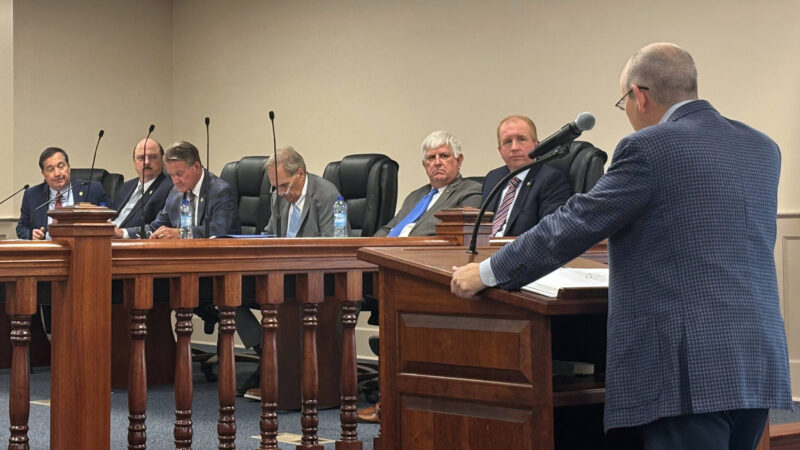
Alabama poised to drastically overhaul utility regulation. Will it lower electric bills?
The Alabama Senate unanimously voted to expand the public service commission, and create a Secretary of Energy to address rising electricity prices. A bill in the House would go even further, requiring rate case hearings and limiting utility profits.

Musher from Alabama is going for back-to-back Iditarod wins
Riches and paid appearances haven’t followed Jessie Holmes since he won the world’s most famous sled dog race, the Iditarod, last year. He doesn't mind.
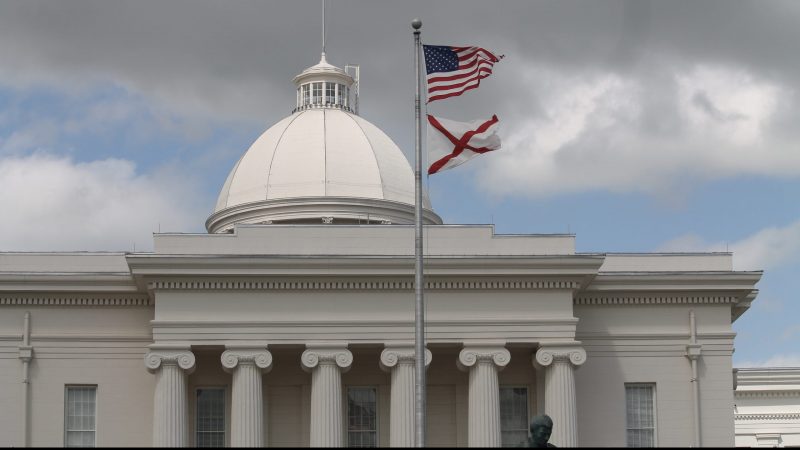
Bill would move Alabama to closed primaries
Right now, any Alabama voter can participate in a primary election. Lawmakers in Montgomery took up a bill this week that would change that system.
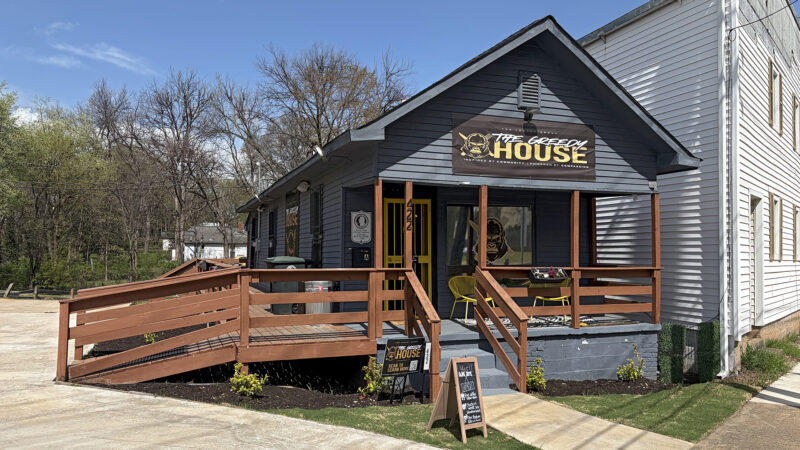
Auburn football player uses NIL funds to open a community hub in Birmingham
Jourdin Crawford, a freshman defensive lineman at Auburn, used earnings from a Name, Image, and Likeness deal to give back to his hometown.
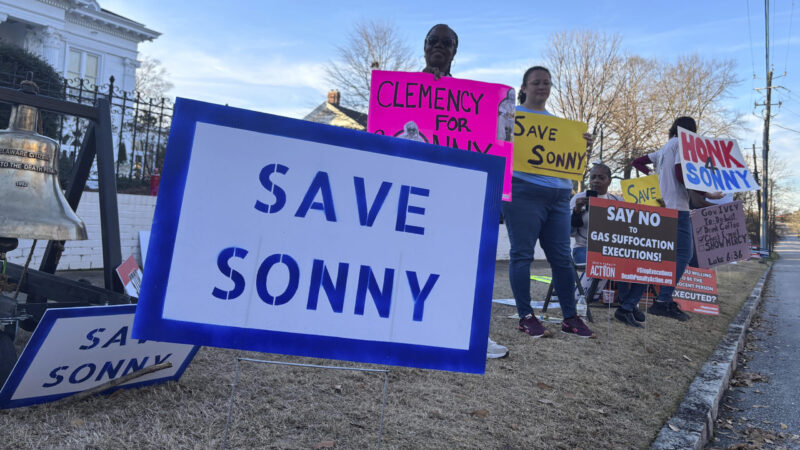
Ivey commutes death sentence of inmate whose accomplice fired fatal shot
Charles “Sonny” Burton was sentenced to death for the killing of Doug Battle during a 1991 robbery. However, another man shot Battle when Burton had left the building.