
Interview: UAB Space Archaeologist and TED Prize Winner Sarah Parcak

 ========= Old Image Removed =========Array
(
    [_wp_attached_file] => Array
        (
            [0] => 2015/11/IMG_6139.JPG.png
        )

    [_wp_attachment_metadata] => Array
        (
            [0] => a:5:{s:5:"width";i:1920;s:6:"height";i:1247;s:4:"file";s:24:"2015/11/IMG_6139.JPG.png";s:5:"sizes";a:13:{s:6:"medium";a:4:{s:4:"file";s:24:"IMG_6139.JPG-336x218.png";s:5:"width";i:336;s:6:"height";i:218;s:9:"mime-type";s:9:"image/png";}s:5:"large";a:4:{s:4:"file";s:24:"IMG_6139.JPG-771x501.png";s:5:"width";i:771;s:6:"height";i:501;s:9:"mime-type";s:9:"image/png";}s:9:"thumbnail";a:4:{s:4:"file";s:24:"IMG_6139.JPG-140x140.png";s:5:"width";i:140;s:6:"height";i:140;s:9:"mime-type";s:9:"image/png";}s:12:"medium_large";a:4:{s:4:"file";s:24:"IMG_6139.JPG-768x499.png";s:5:"width";i:768;s:6:"height";i:499;s:9:"mime-type";s:9:"image/png";}s:9:"1536x1536";a:4:{s:4:"file";s:25:"IMG_6139.JPG-1536x998.png";s:5:"width";i:1536;s:6:"height";i:998;s:9:"mime-type";s:9:"image/png";}s:9:"wbhm-icon";a:4:{s:4:"file";s:22:"IMG_6139.JPG-80x80.png";s:5:"width";i:80;s:6:"height";i:80;s:9:"mime-type";s:9:"image/png";}s:13:"wbhm-featured";a:4:{s:4:"file";s:24:"IMG_6139.JPG-600x338.png";s:5:"width";i:600;s:6:"height";i:338;s:9:"mime-type";s:9:"image/png";}s:20:"wbhm-featured-square";a:4:{s:4:"file";s:24:"IMG_6139.JPG-600x600.png";s:5:"width";i:600;s:6:"height";i:600;s:9:"mime-type";s:9:"image/png";}s:18:"wbhm-featured-home";a:4:{s:4:"file";s:24:"IMG_6139.JPG-479x311.png";s:5:"width";i:479;s:6:"height";i:311;s:9:"mime-type";s:9:"image/png";}s:22:"wbhm-featured-carousel";a:4:{s:4:"file";s:24:"IMG_6139.JPG-408x265.png";s:5:"width";i:408;s:6:"height";i:265;s:9:"mime-type";s:9:"image/png";}s:28:"ab-block-post-grid-landscape";a:4:{s:4:"file";s:24:"IMG_6139.JPG-600x400.png";s:5:"width";i:600;s:6:"height";i:400;s:9:"mime-type";s:9:"image/png";}s:25:"ab-block-post-grid-square";a:4:{s:4:"file";s:24:"IMG_6139.JPG-600x600.png";s:5:"width";i:600;s:6:"height";i:600;s:9:"mime-type";s:9:"image/png";}s:14:"post-thumbnail";a:4:{s:4:"file";s:24:"IMG_6139.JPG-125x125.png";s:5:"width";i:125;s:6:"height";i:125;s:9:"mime-type";s:9:"image/png";}}s:10:"image_meta";a:12:{s:8:"aperture";s:1:"0";s:6:"credit";s:0:"";s:6:"camera";s:0:"";s:7:"caption";s:0:"";s:17:"created_timestamp";s:1:"0";s:9:"copyright";s:0:"";s:12:"focal_length";s:1:"0";s:3:"iso";s:1:"0";s:13:"shutter_speed";s:1:"0";s:5:"title";s:0:"";s:11:"orientation";s:1:"0";s:8:"keywords";a:0:{}}}
        )

    [_media_credit] => Array
        (
            [0] => Dan Carsen
        )

    [_navis_media_credit_org] => Array
        (
            [0] =>  WBHM
        )

    [_navis_media_can_distribute] => Array
        (
            [0] => 
        )

    [_imagify_optimization_level] => Array
        (
            [0] => 1
        )

    [_imagify_data] => Array
        (
            [0] => a:2:{s:5:"stats";a:3:{s:13:"original_size";i:7789309;s:14:"optimized_size";i:1781174;s:7:"percent";d:77.129999999999995;}s:5:"sizes";a:10:{s:4:"full";a:5:{s:7:"success";b:1;s:8:"file_url";s:52:"https://news.wbhm.org/media/2015/11/IMG_6139.JPG.png";s:13:"original_size";i:6108183;s:14:"optimized_size";i:1224280;s:7:"percent";d:79.959999999999994;}s:9:"thumbnail";a:5:{s:7:"success";b:1;s:8:"file_url";s:60:"https://news.wbhm.org/media/2015/11/IMG_6139.JPG-140x140.png";s:13:"original_size";i:36029;s:14:"optimized_size";i:12886;s:7:"percent";d:64.230000000000004;}s:6:"medium";a:5:{s:7:"success";b:1;s:8:"file_url";s:60:"https://news.wbhm.org/media/2015/11/IMG_6139.JPG-336x218.png";s:13:"original_size";i:121822;s:14:"optimized_size";i:41016;s:7:"percent";d:66.329999999999998;}s:5:"large";a:5:{s:7:"success";b:1;s:8:"file_url";s:60:"https://news.wbhm.org/media/2015/11/IMG_6139.JPG-771x501.png";s:13:"original_size";i:590490;s:14:"optimized_size";i:196786;s:7:"percent";d:66.670000000000002;}s:9:"wbhm-icon";a:5:{s:7:"success";b:1;s:8:"file_url";s:58:"https://news.wbhm.org/media/2015/11/IMG_6139.JPG-80x80.png";s:13:"original_size";i:12776;s:14:"optimized_size";i:5443;s:7:"percent";d:57.399999999999999;}s:13:"wbhm-featured";a:5:{s:7:"success";b:1;s:8:"file_url";s:60:"https://news.wbhm.org/media/2015/11/IMG_6139.JPG-600x338.png";s:13:"original_size";i:320041;s:14:"optimized_size";i:105358;s:7:"percent";d:67.079999999999998;}s:20:"wbhm-featured-square";a:5:{s:7:"success";b:1;s:8:"file_url";s:60:"https://news.wbhm.org/media/2015/11/IMG_6139.JPG-300x300.png";s:13:"original_size";i:153936;s:14:"optimized_size";i:48796;s:7:"percent";d:68.299999999999997;}s:18:"wbhm-featured-home";a:5:{s:7:"success";b:1;s:8:"file_url";s:60:"https://news.wbhm.org/media/2015/11/IMG_6139.JPG-479x311.png";s:13:"original_size";i:240181;s:14:"optimized_size";i:77977;s:7:"percent";d:67.530000000000001;}s:22:"wbhm-featured-carousel";a:5:{s:7:"success";b:1;s:8:"file_url";s:60:"https://news.wbhm.org/media/2015/11/IMG_6139.JPG-408x265.png";s:13:"original_size";i:176866;s:14:"optimized_size";i:57835;s:7:"percent";d:67.299999999999997;}s:14:"post-thumbnail";a:5:{s:7:"success";b:1;s:8:"file_url";s:60:"https://news.wbhm.org/media/2015/11/IMG_6139.JPG-125x125.png";s:13:"original_size";i:28985;s:14:"optimized_size";i:10797;s:7:"percent";d:62.75;}}}
        )

    [_imagify_status] => Array
        (
            [0] => success
        )

)
1680724414 
1447097246

To some, the fact that “space archaeology” is actually a thing will come as news. Practitioners use satellite imagery to discover and analyze ancient ruins, and increasingly, to spot looting. University of Alabama at Birmingham archaeologist Sarah Parcak is a leader in the field, and she’s just been named winner of the 2016 million-dollar TED Prize, meant to support her work and a future project of her choosing. That project will involve protecting antiquities around the world and will be revealed in detail in February, but for now, WBHM’s Dan Carsen caught up with Parcak after a whirlwind press conference. She talks terrorists, technology, women and children in science, and colleagues she calls “the real heroes of culture.” But she starts with a boiled-down explanation of her work.

To listen to the on-air four-minute conversation, click above. To read key excerpts, hear the web-exclusive 11-minute interview, or hear today’s UAB press conference, see below.

“Think Google Earth on Speed”

That’s how Parcak sums up her work in one sentence. Elaborating a little: “[We use] satellite imagery, algorithms, and computer software … to pull things out of landscapes that we can’t see with our naked eye … pyramids, tombs, new [to us] settlements and many other features all around the world. But that’s only step one. You then have to go out into the field. It’s called ‘groundtruthing’ — you’re literally checking out if what’s buried in the ground matches what you’re seeing from space.”

Lives at Risk, Colleagues Killed

“The chief archaeologist of Palmyra, Khaled Asaad — he decided to stay on at the site even when ISIL was approaching … and he died protecting the site. So many of my friends and colleagues are risking their lives … I’ve had friends that have almost lost their lives protecting sites from looters, and they’ve undergone gunfire, so this is very very serious. The people who are in the field, doing this every day — I call them the real culture heroes.”

Role Modeling

“I’m a big supporter of kids doing science, especially young girls. And I don’t think there are enough examples of women doing science on TV. It’s hard being a female scientist … we’re always breaking glass ceilings for the next generation. Hopefully it’ll be a little bit easier for them.”

Like in the Movie, but Minus the Bullwhip? 

“If people want to call me Indiana Jones, I say that I’m more sites, less stubble.”

Below is the 11-minute web-only interview. Just a few of the additional subjects include Al Qaeda and southern barbecue:


Below is the UAB press conference: 
 

Crew of fatal US military crash included Alabama father recently deployed

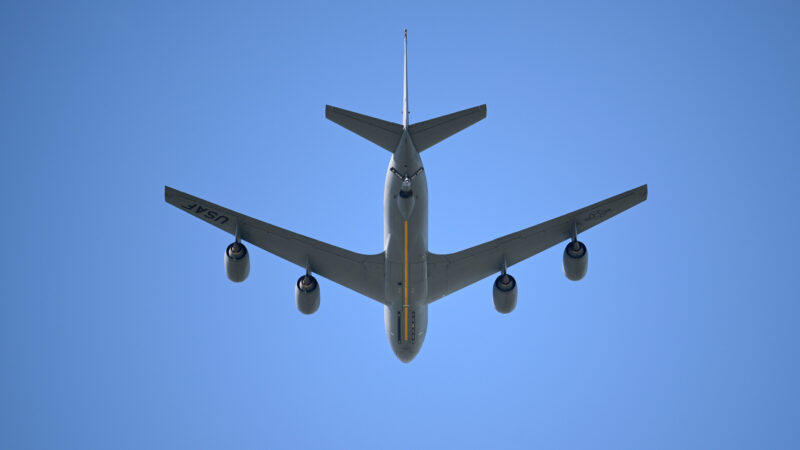
The six U.S. service members who died in the crash of a U.S. military refueling aircraft included an Alabama father who had just been promoted and deployed. The U.S. government released the identities of the deceased service members Saturday.
Alabama poised to drastically overhaul utility regulation. Will it lower electric bills?

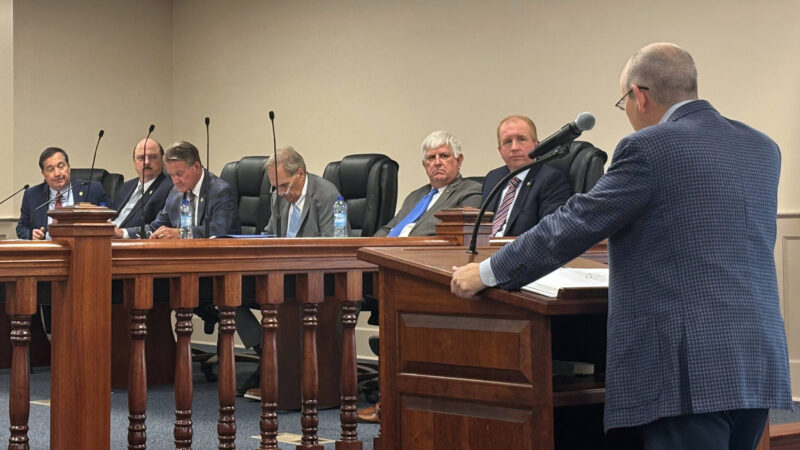
The Alabama Senate unanimously voted to expand the public service commission, and create a Secretary of Energy to address rising electricity prices. A bill in the House would go even further, requiring rate case hearings and limiting utility profits.
Musher from Alabama is going for back-to-back Iditarod wins

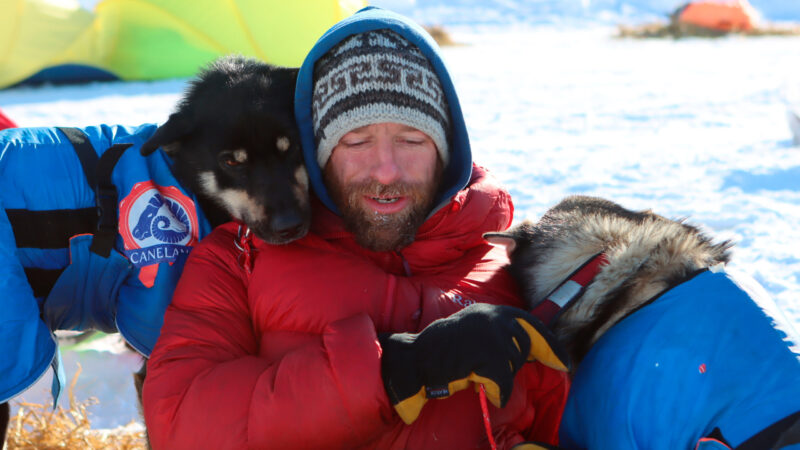
Riches and paid appearances haven’t followed Jessie Holmes since he won the world’s most famous sled dog race, the Iditarod, last year. He doesn't mind.
Bill would move Alabama to closed primaries

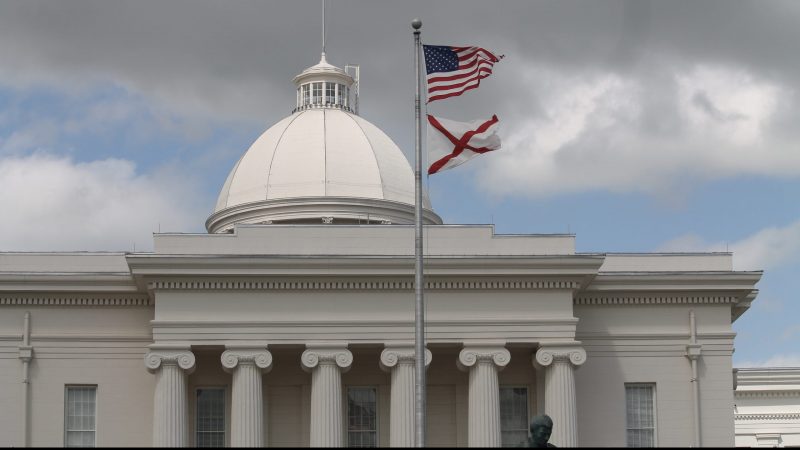
Right now, any Alabama voter can participate in a primary election. Lawmakers in Montgomery took up a bill this week that would change that system.
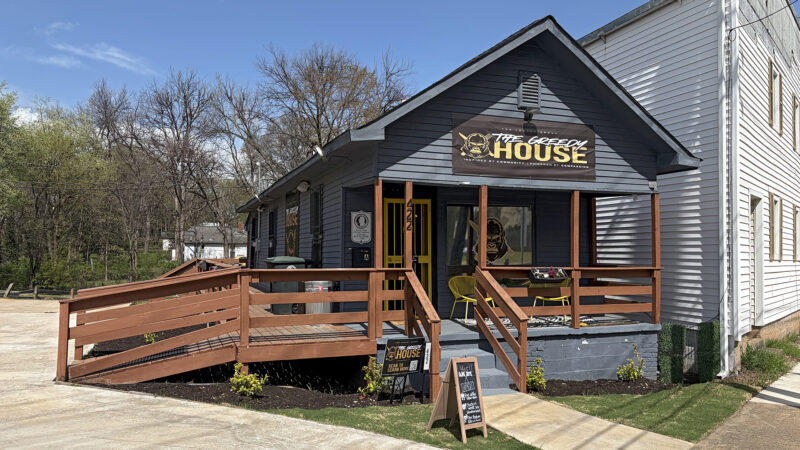
Auburn football player uses NIL funds to open a community hub in Birmingham

Jourdin Crawford, a freshman defensive lineman at Auburn, used earnings from a Name, Image, and Likeness deal to give back to his hometown.
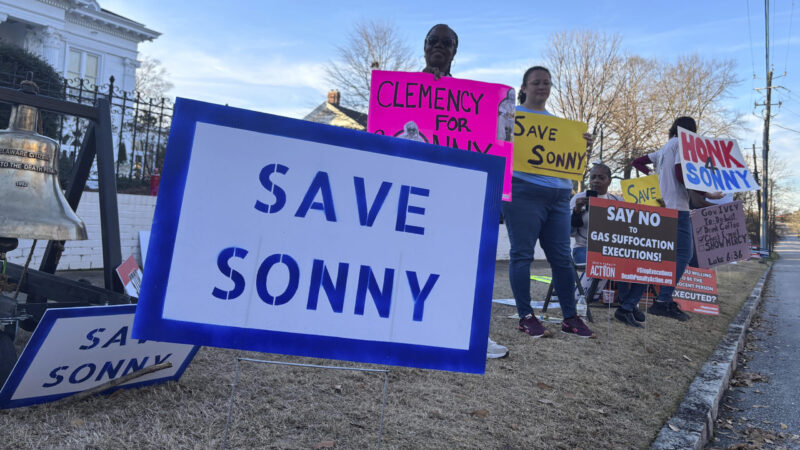
Ivey commutes death sentence of inmate whose accomplice fired fatal shot

Charles “Sonny” Burton was sentenced to death for the killing of Doug Battle during a 1991 robbery. However, another man shot Battle when Burton had left the building.

More Education Coverage