
Handling Heroin In The Courts
Heroin related deaths more than doubled last year in Jefferson county. All this week, WBHM explored Alabama’s heroin problem. With a rise in use of the drug, police report more heroin arrests, and judges say their dockets are filling up with cases. According to Birmingham’s drug court, eight out of ten cases are for heroin. Today, we conclude our series with a look at the courts. Ashley Cleek followed one addict into the criminal justice system to see what works and what doesn’t.
Cody Standard is sitting in a conference room at the courthouse downtown — two blocks away from the library, the civic center, and heroin.
“Here in downtown Birmingham, I can go get dope two blocks away. Right now,” Standard says.
Heroin is cheap too; a bag of dope costs $15 to $20.
“I could be back here in 10 minutes, and I’ll be high,” Standard says honestly. “Already have it shot, and I won’t have a needle around me or nothing. We could be doing the interview as if nothing happened.”
Standard is only 28, but he has been addicted to drugs for half his life. He started injecting opiates when he was 21. He’s lost most of his teeth and been homeless for over a year, sleeping in Southside, and shooting up.
Today, though, he’s trying. He prepared for this interview. He has a green spiral notebook, where he’s jotted down interview points. He shaved his long hair and has on a clean, green polo shirt. As he walks through the courtroom, Judge Stephen Wallace is happy to see him; he clasps Standard on the shoulder.
“Just come back the 27th…of this month.” Wallace reminds Standard about his next drub test, then jokes, “Where’d you get the Vestavia Country Club shirt from?”
Judge Wallace has taken a special interest in Standard. He’s has seen Standard circle through the courts for years, but Wallace still has hope Standard will get clean.
Wallace says he’s seen the number of heroin cases surge in past few years, and often finds himself in a bind. Sending an addict to prison is expensive, and it doesn’t cure their addiction.
“They will walk out of the prison doors with a bus pass and 20 dollars, and there is no one there to monitor them or help them when they walk out the door,” Wallace explains candidly.
That’s exactly what Standard did. He was in prison for 6 months, and the moment he arrived at the bus station downtown, a friend picked him up and handed him some a beer, a blunt, and Suboxone, an often-abused prescription opiate.
Instead, Judge Wallace urges drugs tests, community service, and treatment. But sometimes, he says, nothing works. He remembers a young woman who was in his courtroom over a year ago. She was addicted to heroin, and the court was monitoring her closely. Just that morning, Wallace had ordered her to be drug tested, and she was clean.
“She passed away that afternoon from a heroin overdose,” Wallace remembers. “The system worked, in my mind, perfectly, and for heroin it wasn’t enough to save her. I don’t know if you can say that about any other drug.”
Foster Cook says there are so many of these stories. He’s the director of substance abuse programs at UAB and runs a program called Treatment Alternatives for Safer Communities — better known as TASC. TASC works inside the justice system, helping the courts and jails figure out how to deal with addicts and helping addicts find ways to get clean.
“We just continue to see the price of heroin going down and the number of overdoses going up,” Cook says. “It’s tough. Heroin is cheaper than treatment.”
Judge Wallace used to be able to release addicts from jail to one of Foster Cook’s TASC case managers, who would monitor addicts and get them into treatment before they went to trial. But that program was cut in 2011, before the rise in heroin. Cook says without that program, it’s harder for TASC to get in to addicts out of the criminal justice system and into treatment.
“When [heroin addicts] do get out without any supervision, they fail to come to court at a much higher level, warrants get issued, they get new offenses, and they don’t get into treatment,” Cooks explains.
Currently, heroin addicts like Cody Standard often sit in jail. While it protects them from overdose, Cook says, at $50 a day jail is expensive and addicts are receiving no treatment. In comparison, Cook explains, a supervision by a case manager costs five to ten dollars a day.
Everyone is trying — Standard, Cook, and Wallace. With limited resources, their options are few. Standard has no insurance to go to rehab and no money to get treatment, which could cost $300 to $400 a month. For now, he lives in a halfway house.
“It’s hard,” Standard says. “I’m working on it. I haven’t given up yet. The judge hasn’t given up on me. So, there’s only two options, though and that’s recovery or death. I came close in January [Eds: cook overdosed while shooting up]. I have no doubt that if I go back out there, I’ll end up dead.”
For Standard, this is the very beginning of kicking addiction, but Cook is worried about Alabama. He thinks it’s far from the end of its heroin problem.

Crew of fatal US military crash included Alabama father recently deployed
The six U.S. service members who died in the crash of a U.S. military refueling aircraft included an Alabama father who had just been promoted and deployed. The U.S. government released the identities of the deceased service members Saturday.
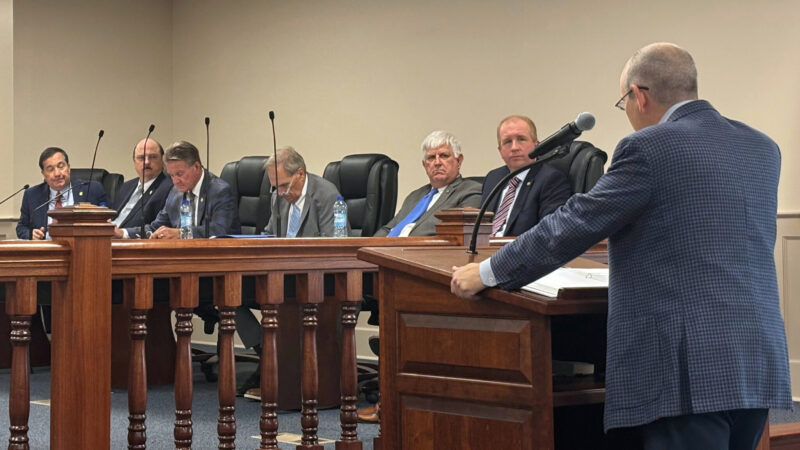
Alabama poised to drastically overhaul utility regulation. Will it lower electric bills?
The Alabama Senate unanimously voted to expand the public service commission, and create a Secretary of Energy to address rising electricity prices. A bill in the House would go even further, requiring rate case hearings and limiting utility profits.

Musher from Alabama is going for back-to-back Iditarod wins
Riches and paid appearances haven’t followed Jessie Holmes since he won the world’s most famous sled dog race, the Iditarod, last year. He doesn't mind.

Bill would move Alabama to closed primaries
Right now, any Alabama voter can participate in a primary election. Lawmakers in Montgomery took up a bill this week that would change that system.
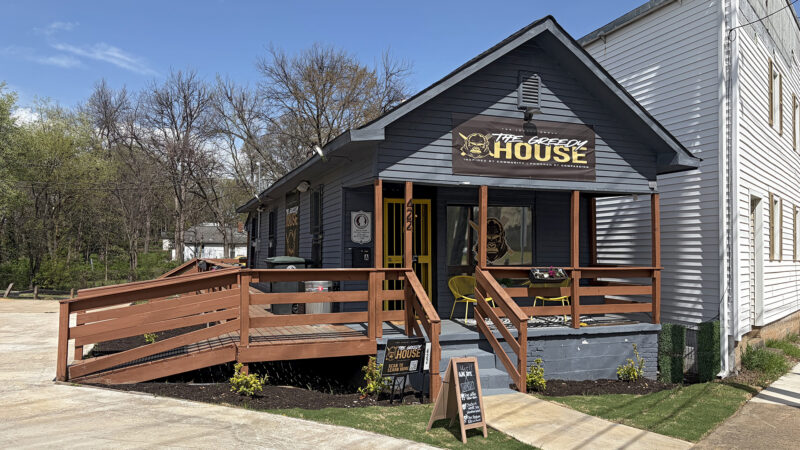
Auburn football player uses NIL funds to open a community hub in Birmingham
Jourdin Crawford, a freshman defensive lineman at Auburn, used earnings from a Name, Image, and Likeness deal to give back to his hometown.
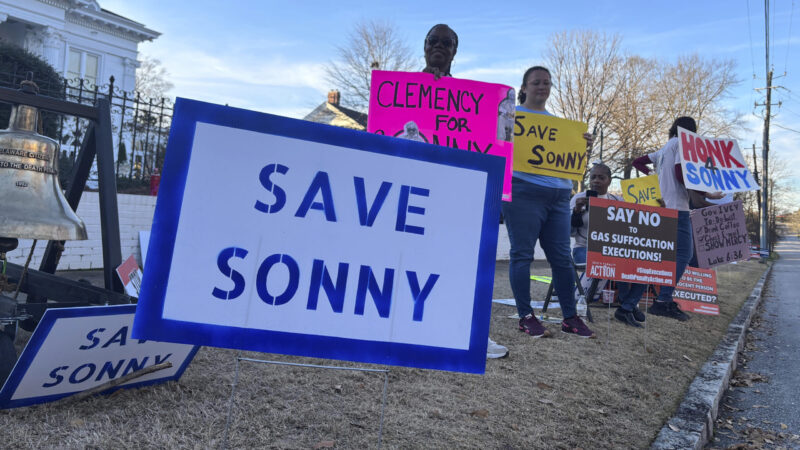
Ivey commutes death sentence of inmate whose accomplice fired fatal shot
Charles “Sonny” Burton was sentenced to death for the killing of Doug Battle during a 1991 robbery. However, another man shot Battle when Burton had left the building.
