
Civil Rights Attorney Fred Gray Reflects on Montgomery Bus Boycott
Tomorrow marks the 50th anniversary of the Voting Rights Act of 1965, the law that abolished literacy tests and other tools designed to keep black people from voting. The momentum for Selma and the civil rights victories of 1965 started ten years earlier with the Montgomery Bus Boycott of 1955. Tuskegee civil rights lawyer Fred Gray was one of the forces behind that boycott. For WBHM, Greg Bass recently spoke with Gray about the bus boycott, and his extraordinary career. Gray went on to represent the Selma Marchers, Martin Luther King and a seamstress named Rosa Parks.
Fred Gray’s mother wanted him to become a preacher, and his early life seemed to point him in that direction.
“At an early age she said that I would baptize dogs and cats and anything else I could catch.”
With help from her church Gray’s mother sent him to a religious boarding school in Nashville through high school. When he returned home to Montgomery to attend college, he relied on the bus system for transportation. Gray says the humiliation Blacks suffered when made to give up their seats to white was increasingly hard to swallow.
“And because of the bus situation and recognizing that everything else was completely segregated, I made a personal, private, secret commitment I was going to finish state, go to law school, finish law school, take the Alabama Bar Exam, become a lawyer and destroy everything segregated I could find.”
Gray went to Case Western Reserve University Law School in Cleveland, and returned to Montgomery in 1954 to begin his practice. He got to know political activist Jo Ann Robinson. Like many people of color in Montgomery, Robinson suffered abuse while riding city buses. After 15-year-old Claudette Colvin was arrested for refusing to give up her seat in March of ‘55, Gray was called to defend the teenager. Jo Ann Robinson, Fred Gray and E. D. Nixon, head of the local chapter of the NAACP, decided the bus system had to change.
“And one thing we concluded was, one, the next time a situation like this occurs we are going to be prepared to go on and do more than just dispose of the criminal or quasi-criminal aspect of it. And that opportunity presented itself with Ms. Parks.”
Rosa Parks is probably the most recognizable name in civil rights history after Martin Luther King. As a young man, Gray knew Parks as youth leader of the local NAACP chapter. When he came back to Montgomery, he says they often got together to talk politics.
“So every day for our lunch period she would usually walk down to my office and we’d sit down and share our lunches together and talk about things from the bus situation to the youth situation to the fact that everything was segregated to what a person should or should not do in the event they were arrested similar to what Claudette Colvin was. I knew then that if the opportunity presented itself she would probably not give up her seat.”
On December 1, 1955, Rosa Parks was arrested for failing to give up her seat. Jo Ann Robinson led a successful effort to get the black community to stay off the buses the day of Parks’ trail. Gray says it was the opportunity they had waited for.
“And since we had ask people to stay off the buses for one day during the trail we need to keep ‘em off until we can go back on a non-segregated basis or get the issues resolved. The people continued to stay off the busses. You had the mass demonstration, the Montgomery Bus Boycott, for the first time you had about 40,00 people working together in solving a problem.”
Gray filed a lawsuit in federal court calling for an end to segregated buses. The Bus Boycott that began with Rosa Parks trial lasted 381 days and ended only with when the Supreme Count agreed that the segregated bus system was against the law. It was the first of many civil rights cases Fred Gray would win.
Join WBHM next Wednesday for part two of our conversation with Freg Gray. He’ll discuss the Selma March, school desegregation, and the person he sued more than any other, George Wallace.
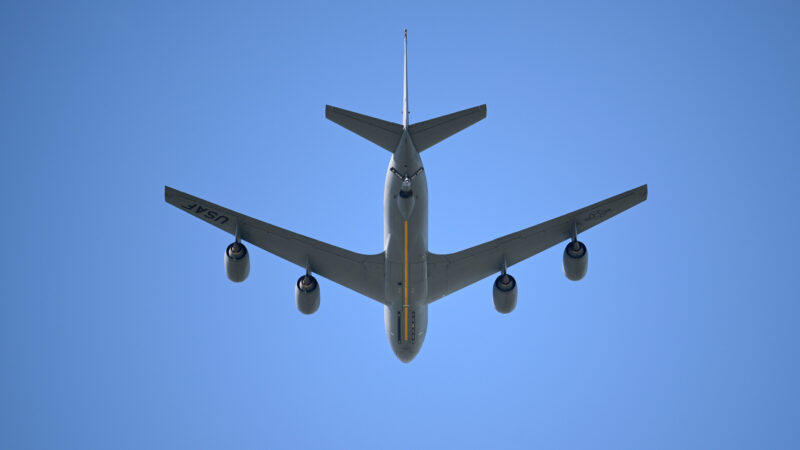
Crew of fatal US military crash included Alabama father recently deployed
The six U.S. service members who died in the crash of a U.S. military refueling aircraft included an Alabama father who had just been promoted and deployed. The U.S. government released the identities of the deceased service members Saturday.
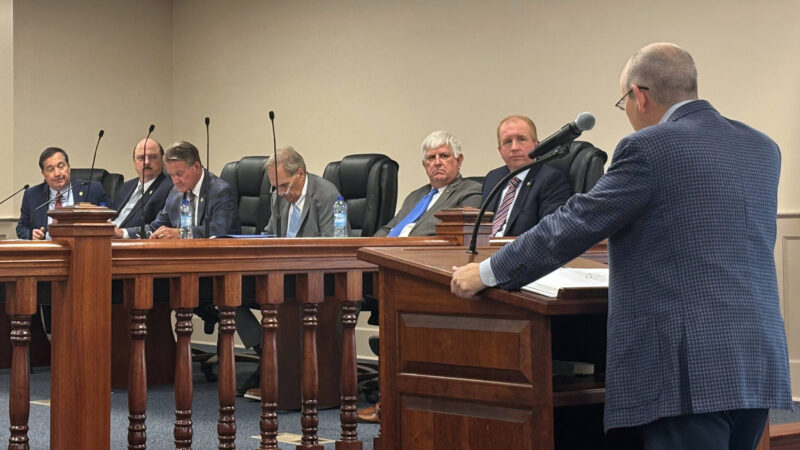
Alabama poised to drastically overhaul utility regulation. Will it lower electric bills?
The Alabama Senate unanimously voted to expand the public service commission, and create a Secretary of Energy to address rising electricity prices. A bill in the House would go even further, requiring rate case hearings and limiting utility profits.
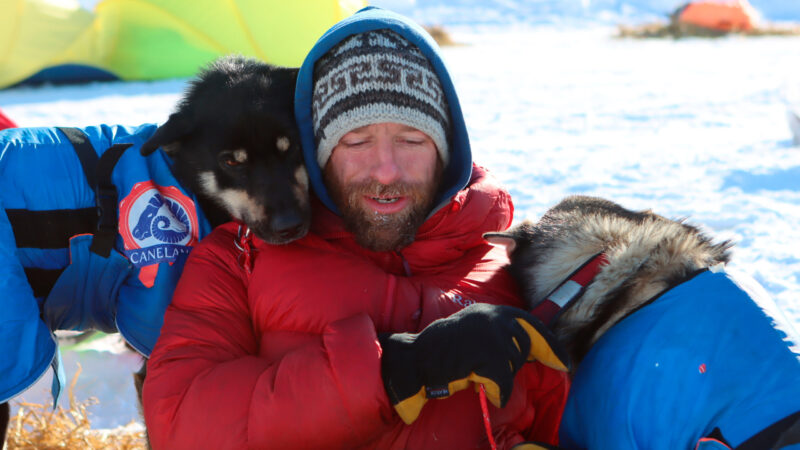
Musher from Alabama is going for back-to-back Iditarod wins
Riches and paid appearances haven’t followed Jessie Holmes since he won the world’s most famous sled dog race, the Iditarod, last year. He doesn't mind.
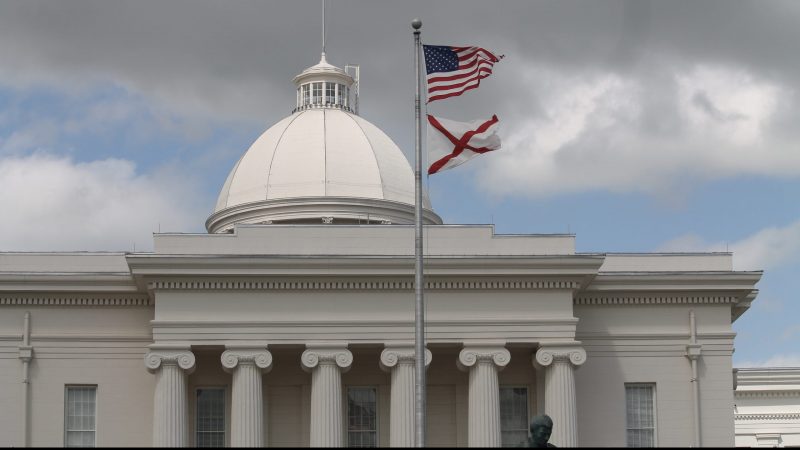
Bill would move Alabama to closed primaries
Right now, any Alabama voter can participate in a primary election. Lawmakers in Montgomery took up a bill this week that would change that system.
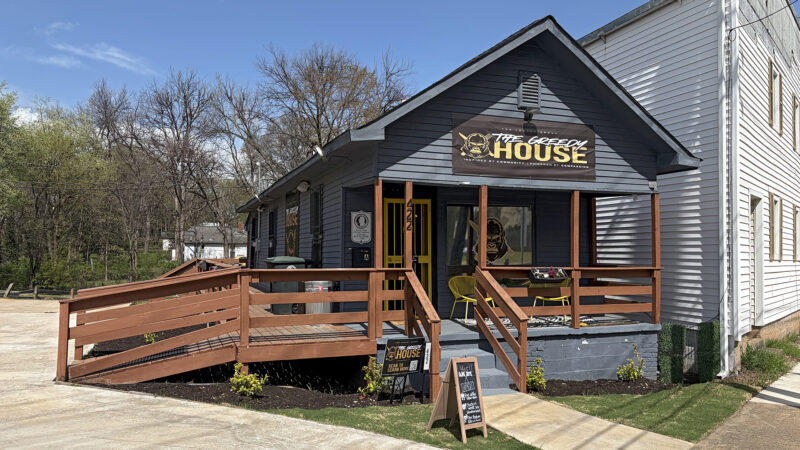
Auburn football player uses NIL funds to open a community hub in Birmingham
Jourdin Crawford, a freshman defensive lineman at Auburn, used earnings from a Name, Image, and Likeness deal to give back to his hometown.
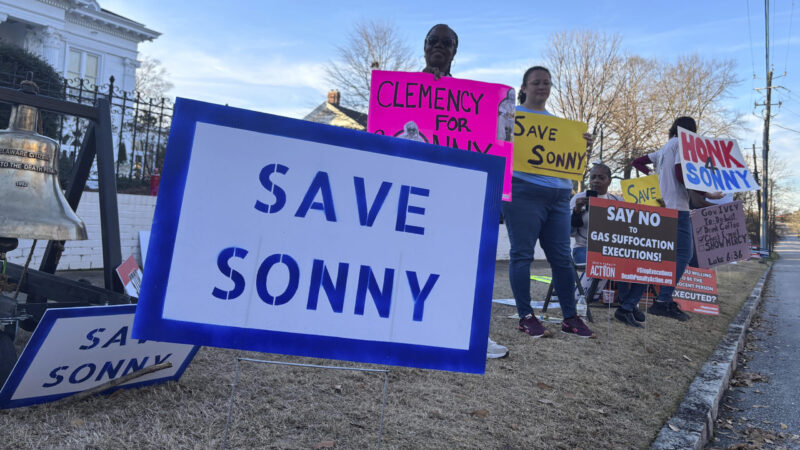
Ivey commutes death sentence of inmate whose accomplice fired fatal shot
Charles “Sonny” Burton was sentenced to death for the killing of Doug Battle during a 1991 robbery. However, another man shot Battle when Burton had left the building.