
Auburn University’s Rural Studio Brings 20K Houses To Hale County
For some residents of Alabama’s Black Belt, good housing can be hard to come by. In Hale County, 30 percent of the population lives below the poverty line — meaning an individual lives on less than $11,670 a year. A group from Auburn University wants to help by designing an efficient and inexpensive house that anyone could afford.
Driving into Hale County, you pass a lot of mobile homes, ramshackle homes with blue-tarped roofs and crumbling chimneys. But down this thin gravel road in Newbern, past a few rusted barns, are two new, brilliantly white houses. They look like the beginning of a subdivision — in the middle of a cow pasture.
Natalie Butts fiddles with the keys and opens the front door of one house.
“So you can see, this is the public space, the one bedroom on one side, and the bathroom and the kitchen in the main room,” Butts explains.
Butts used to be part of Auburn University’s Rural Studio, a project where architecture students design and build homes in Hale County. Now, she’s in charge of Rural Studio’s new venture, the $20,000 House Project – or 20K for short.
This is one of 20K’s prototype homes. Imagine a house shaped like a barbell with a room on either side of a narrow hall. It’s small, only 572 square feet, but cozy.
Andrew Freear, the director of Rural Studio, explains, “What we are really looking for is affordable and modest and at the same time beautiful and energy efficient and sustainable.”
Why $20,000? Freear capped building costs there with the idea that someone on Social Security could own their own home with a $100 monthly mortgage. To Freear, the 20K house is both a design experiment and a social obligation.
“There is no architect, no developer, no contractor, no builder that could afford to do that, so it’s an opportunity,” says Freear. “I do see it as a sort of moral responsibility to do it, no one else can do it.”
But Freear’s an architect, not a banker. Is it even possible — a $20,000 house with a $100 mortgage?
Samuel Clements is a professor of real estate at the University of Alabama. He says he thinks it’s a good idea.
He pulls a calculator out of a drawer and starts punching in numbers. He wants to take a crack at a $20,000 mortgage.
First, he tries a seven-year mortgage, but it’s too high. As is a 15-year mortgage. But 30 years works.
“101 dollars,” Clements announces, “so you could get a 30 year mortgage.”
Clements thinks it would be an attractive risk for a banker.
“Just the fact that it is 20,000 instead of 100,000. That’s less risk, just cause it’s a smaller amount of money,” Clements explains. “If you or I were loaning money, we would much rather lose $20,000 rather than $100,000, right?”
Mortgages for the houses don’t exist — yet. Rural Studio and Freear have challenged Regions Bank to create a mortgage. Regions Bank tells WBHM they’re still working on it.
For Freear, the 20K houses can change how people feel about their lives.
Conner Bailey is a professor of Rural Sociology at Auburn University, and he’s been researching housing in the Black Belt for decades. Bailey thinks, housing is more than just four walls and a roof.
“Its a place where we live,” Bailey says. “There’s a personal dignity involved. Affordable housing, secure housing, is something that everyone should have access to in this country.”
Slowly, Rural Studio is helping to expand that access across Alabama.
Currently three non-profits in Alabama are building the 20K houses to check the designs and to see how potential residents react. Butts says construction will begin in the next few weeks.

Crew of fatal US military crash included Alabama father recently deployed
The six U.S. service members who died in the crash of a U.S. military refueling aircraft included an Alabama father who had just been promoted and deployed. The U.S. government released the identities of the deceased service members Saturday.
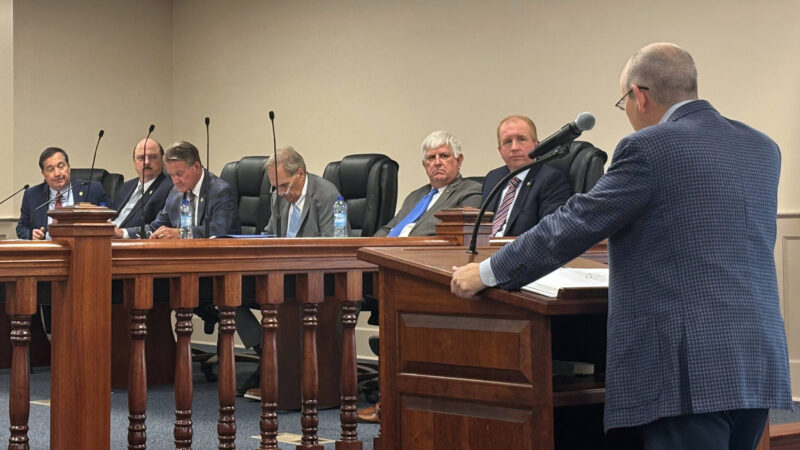
Alabama poised to drastically overhaul utility regulation. Will it lower electric bills?
The Alabama Senate unanimously voted to expand the public service commission, and create a Secretary of Energy to address rising electricity prices. A bill in the House would go even further, requiring rate case hearings and limiting utility profits.
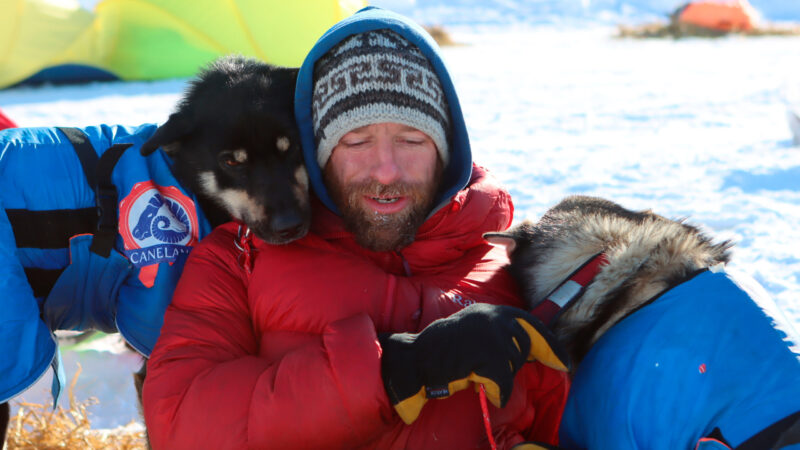
Musher from Alabama is going for back-to-back Iditarod wins
Riches and paid appearances haven’t followed Jessie Holmes since he won the world’s most famous sled dog race, the Iditarod, last year. He doesn't mind.
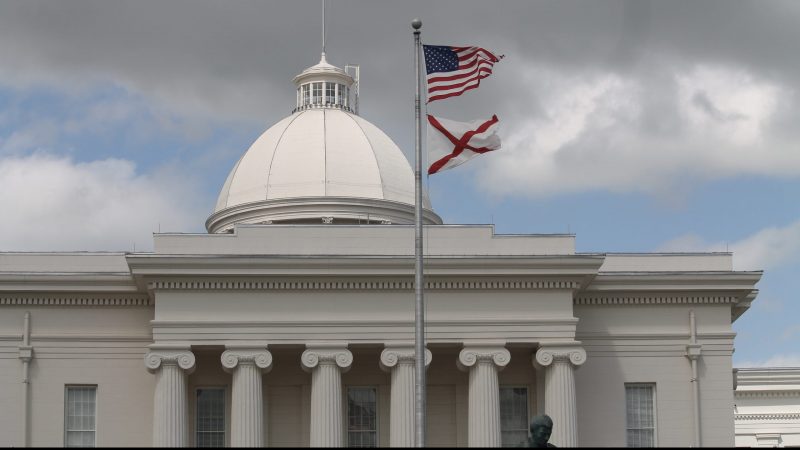
Bill would move Alabama to closed primaries
Right now, any Alabama voter can participate in a primary election. Lawmakers in Montgomery took up a bill this week that would change that system.
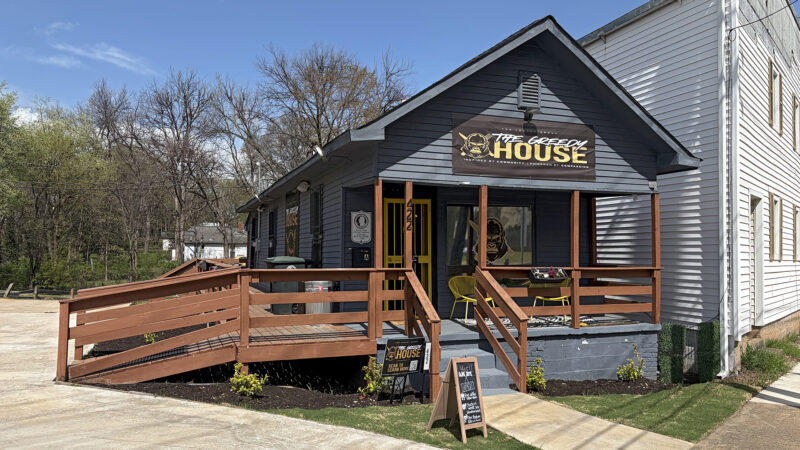
Auburn football player uses NIL funds to open a community hub in Birmingham
Jourdin Crawford, a freshman defensive lineman at Auburn, used earnings from a Name, Image, and Likeness deal to give back to his hometown.
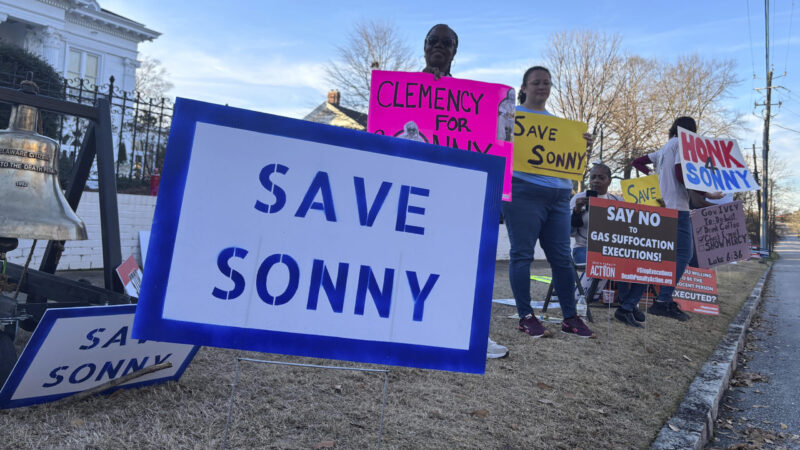
Ivey commutes death sentence of inmate whose accomplice fired fatal shot
Charles “Sonny” Burton was sentenced to death for the killing of Doug Battle during a 1991 robbery. However, another man shot Battle when Burton had left the building.