
College Athletes Talk Tensions Between Sports and Academics
Across the South, college football is in full swing. But football is just one of dozens of NCAA sports. In any season, student-athletes are pushing themselves on the field, in the gym, and in the classroom. They get scholarships and generate billions of dollars, but they also get hurt and struggle with their studies on top of what’s basically a demanding, full-time job. In Part One of the Southern Education Desk series “All in the Game,” WBHM’s Dan Carsen looks at tensions between sports and academics through the eyes of the athletes themselves. Listen above or read below.

Dan Carsen,WBHM
A UAB player boots a pass past a Gardner-Webb defender at UAB West Campus Field on Sunday, September 13.
We’re up close and personal with the “other football” — a men’s soccer game at the University of Alabama at Birmingham. You can hear the ball blasting off feet, knees and heads as fit athletes fly around the field and intense coaches bark at their players and the referee.
In a place where American football dominates, it bears mentioning that about 85 percent of NCAA athletes play other sports, and that the majority playing any sport lead lives less glamorous than some fans assume.
“There’s a lot that goes into it that a lot of the people don’t see when we’re just playing,” says Angelica Jimenez, one of the best college goalies in the nation. She’s sitting in the bleachers with crutches and a cast over the ankle ligaments she tore in practice. Before tossing a little trash-talk at the visiting team, the senior describes tradeoffs.
“After an all-nighter I’m deadzo, but you just gotta grind it out … you’ve just really got to stay disciplined. Sometimes there’s that ‘triangle’ where you decide, like, social life, doing well at your sport, or doing well academically. And sometimes you’ve got to pick two out of the three.”
UAB baseball player Holt Davis knows all about it. He was a top student in high school, but his first-semester GPA was a parent-disappointing 2.35:
“I don’t think I was quite mentally prepared for it,” he says. “We get up four days a week at 5 a.m. to go lift. And we’re going straight through the day, a lot of us until our night class ends at 7:30. You’re kind of mentally starting to check out during that last class.”
And those demands certainly don’t decrease in big-time programs. Kim Durand, immediate past president of the National Association of Academic Advisors for Athletics, or N4A, points to a tug-of-war between sports revenue and athlete welfare.
“We’re a multi-million-dollar business that’s smack-dab in the middle of institutions of higher education,” she says. “And those cultures or those demands come into conflict with each other. A lot of times the decisions made don’t take into account the real life of the student-athlete.”
TV contracts that have players flying around the country mid-week, missing classes, and getting home late are one example. But athletes including Davis and Jimenez say caring coaches and academic support can help. On that sports/grades/social life “triangle” Jimenez mentioned, she says she’s managed to keep her grades and athletic performance up, and, “for the most part I’ve gotten like two-and-a-half, so I’ll take it.”
Davis, academically a senior but athletically a red-shirt sophomore first-baseman, remembers. “For me, that was tough my freshman year. My GPA I think reflected that my first semester, and thank goodness I made an adjustment in the spring.” He laughs and adds, “I think my parents appreciated that too.”

Dan Carsen,WBHM
Holt Davis, left, and Justin Mackey in Mackey’s UAB office.
Now his GPA typically hovers around 4.0. He credits advisors making him a comprehensive study schedule that included tutoring and taught him he could actually get a lot of work done in a 15-minute time block. That kind of support is one reason athletes’ graduation rates tend to be slightly higher than student-body averages.
At UAB, Assistant Athletic Director Justin Mackey helps make those stats and stories possible. His job is basically to help athletes develop off the field, academically and personally.
“It’s always important to me to see them earn a collegiate degree,” he says. “Also, just the well-rounded human being part of it: when I look at the things we get to go do in the community, with Children’s of Alabama, and Ronald McDonald House, the local elementaries, that’s really the part that continues to drive me.”
Back at the soccer game, loudspeakers blare T-shirt offers and upbeat music. It’d be easy to forget that behind all the excitement, the long, fatiguing hours and juggling acts continue. But just a short walk from the game, over by the batting cages, you’re reminded as balls clink, over and over, off the bat of a lone athlete on a Sunday evening as the sun goes down.

Crew of fatal US military crash included Alabama father recently deployed
The six U.S. service members who died in the crash of a U.S. military refueling aircraft included an Alabama father who had just been promoted and deployed. The U.S. government released the identities of the deceased service members Saturday.
Alabama poised to drastically overhaul utility regulation. Will it lower electric bills?
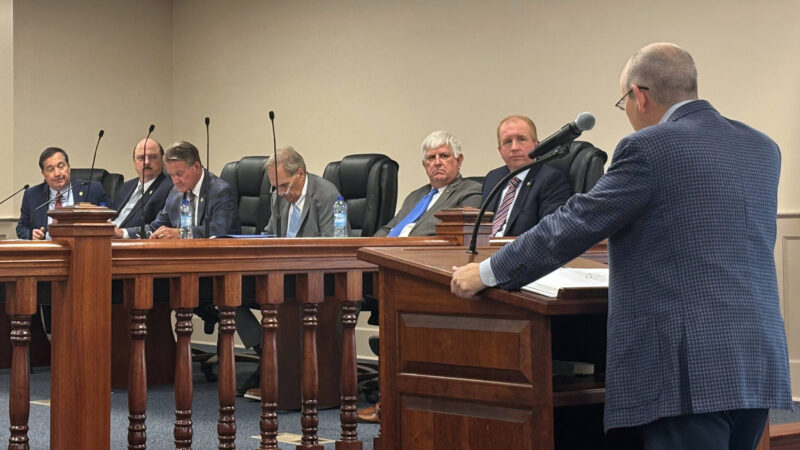
The Alabama Senate unanimously voted to expand the public service commission, and create a Secretary of Energy to address rising electricity prices. A bill in the House would go even further, requiring rate case hearings and limiting utility profits.
Musher from Alabama is going for back-to-back Iditarod wins
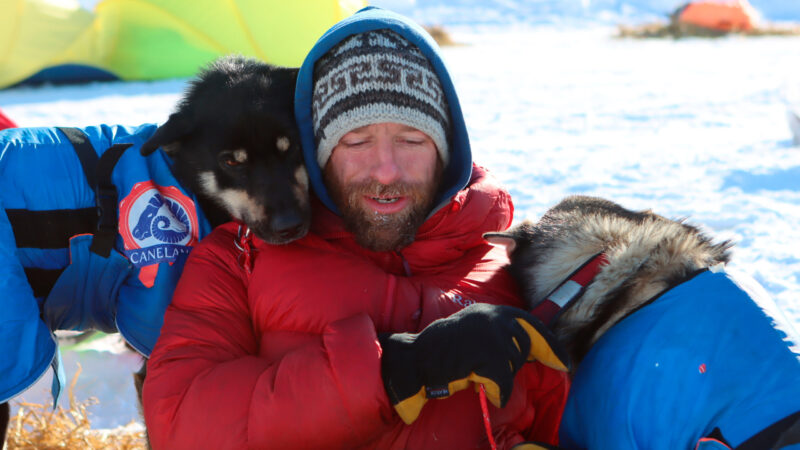
Riches and paid appearances haven’t followed Jessie Holmes since he won the world’s most famous sled dog race, the Iditarod, last year. He doesn't mind.
Bill would move Alabama to closed primaries
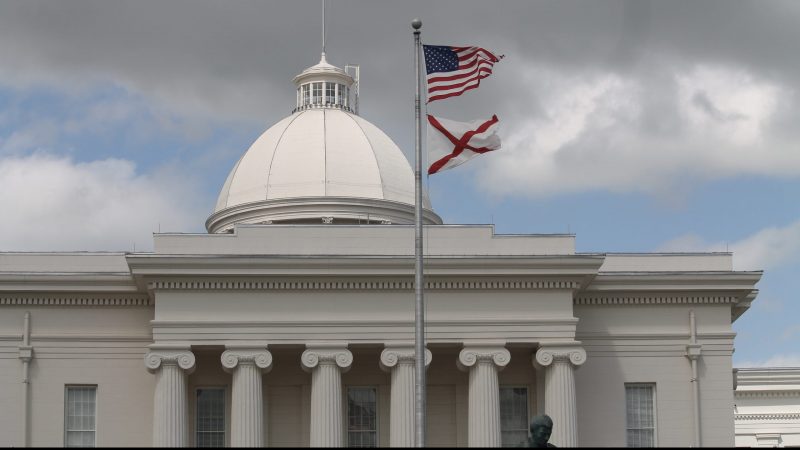
Right now, any Alabama voter can participate in a primary election. Lawmakers in Montgomery took up a bill this week that would change that system.
Auburn football player uses NIL funds to open a community hub in Birmingham
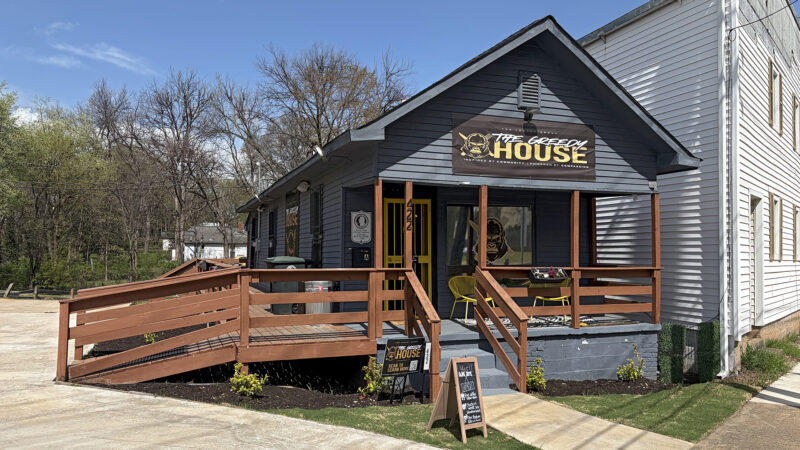
Jourdin Crawford, a freshman defensive lineman at Auburn, used earnings from a Name, Image, and Likeness deal to give back to his hometown.
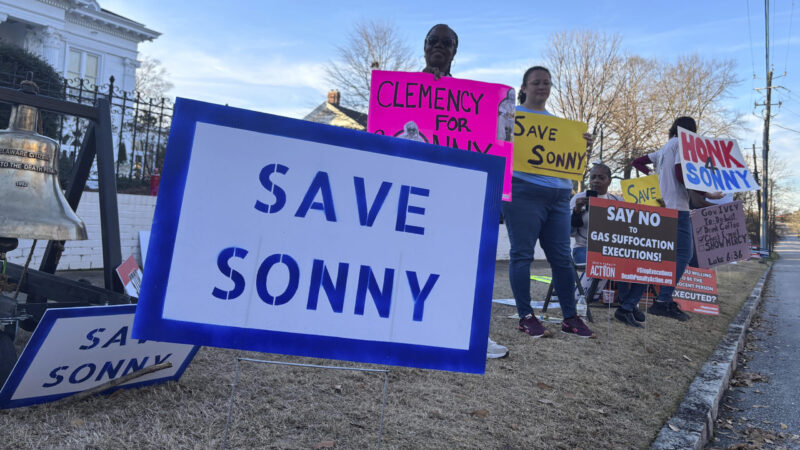
Ivey commutes death sentence of inmate whose accomplice fired fatal shot
Charles “Sonny” Burton was sentenced to death for the killing of Doug Battle during a 1991 robbery. However, another man shot Battle when Burton had left the building.