
A Letter From Selma, 50 Years Later
Saturday, March 7 is the 50th anniversary of Bloody Sunday. That’s when police beat marches trying to walk from Selma to Montgomery in support of voting rights. While people look back at Selma 50 years ago, the weekly newspaper WELD has published a letter written just 11 days after Bloody Sunday. It offers a unique insight into what some of the people in Selma thought about those events as they unfolded. WELD editor Nick Patterson reads from the letter, which he says “offers a pretty significant glimpse into the mind of one particular facet of the community in Selma.”
Read a selection from the letter:
Selma is steeped in the “Old South” tradition. There is old wealth, a large group of prominent families, and a great regard for heritage and manners. It is essentially an island, completely absorbed in its own interests and generally unconcerned with national or international events…The relationship between the races, until a year or so ago, has been unchanged. For a century, the Negro worked for the white man. He was cared for by the white man, medically, scholastically, economically; sometimes well and sometimes poorly. He was not expected to vote; indeed he showed no indication of desire to do so.
Then suddenly all of this changed. Negroes in other places began taking active part in civic affairs and groups came to Selma to organize voting drives. They at first were not successful due to lack of interest and fear of reprisal from white people. They [whites] were both furious and frightened. Here were these children for whom they had cared all these years who threatened to outnumber and engulf them. To the average white person living here, this is a fear extant since Reconstruction. They would not admit this publicly but they fear being overcome by this group that is equal in number. Any concession to Negro rights intensifies this fear.
The reaction of the white people in Selma, in my opinion, was to refuse to face the problem. They rejected any thought of biracial committees, long-range integration plans, etc. Instead, they formed Citizens Councils [segregation organizations] to “maintain our way of life” and talked and talked and found little to do. The more violently inclined, and we have our share of those, bought guns. The sheriff formed his posse and rushed around Alabama to various racial conflicts. The attitude was that “It can’t happen here and we won’t let it.” Let me point out that any elected official who might have suggested preparation for integration would have been promptly voted out of office, if not removed sooner.
Click here to read the entire letter from WELD.

Crew of fatal US military crash included Alabama father recently deployed
The six U.S. service members who died in the crash of a U.S. military refueling aircraft included an Alabama father who had just been promoted and deployed. The U.S. government released the identities of the deceased service members Saturday.
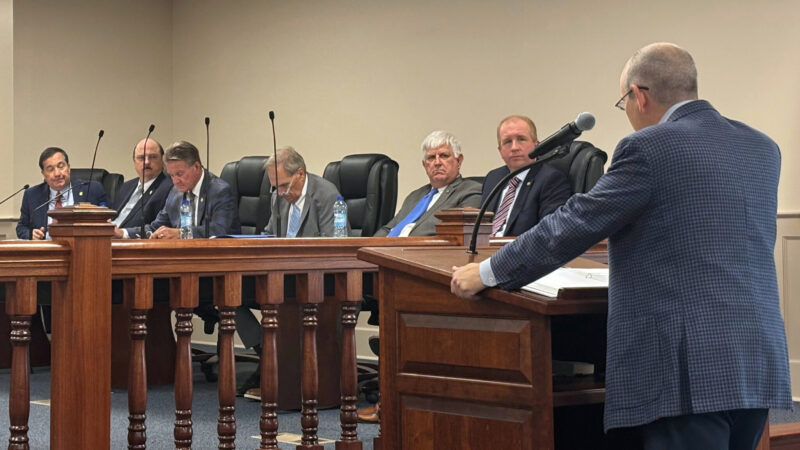
Alabama poised to drastically overhaul utility regulation. Will it lower electric bills?
The Alabama Senate unanimously voted to expand the public service commission, and create a Secretary of Energy to address rising electricity prices. A bill in the House would go even further, requiring rate case hearings and limiting utility profits.
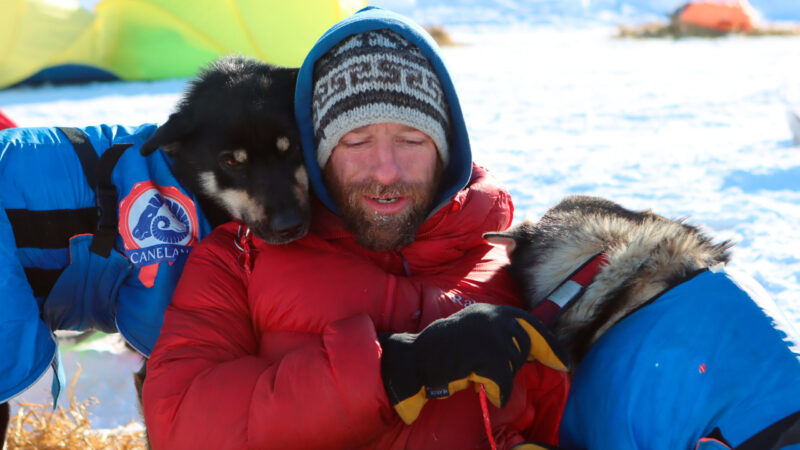
Musher from Alabama is going for back-to-back Iditarod wins
Riches and paid appearances haven’t followed Jessie Holmes since he won the world’s most famous sled dog race, the Iditarod, last year. He doesn't mind.
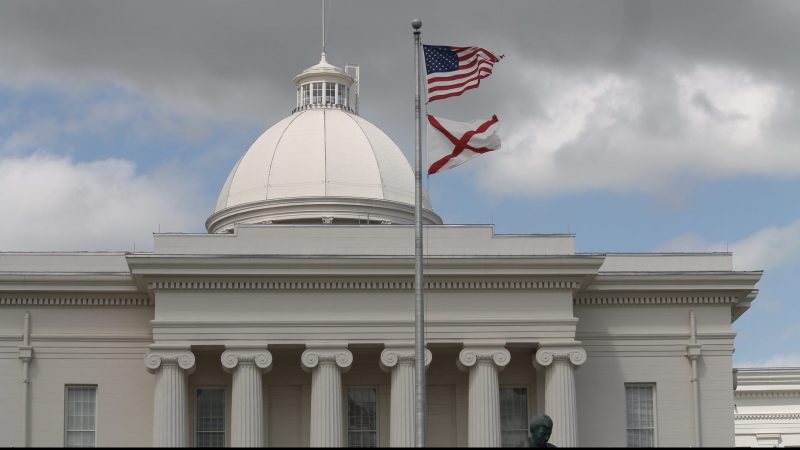
Bill would move Alabama to closed primaries
Right now, any Alabama voter can participate in a primary election. Lawmakers in Montgomery took up a bill this week that would change that system.
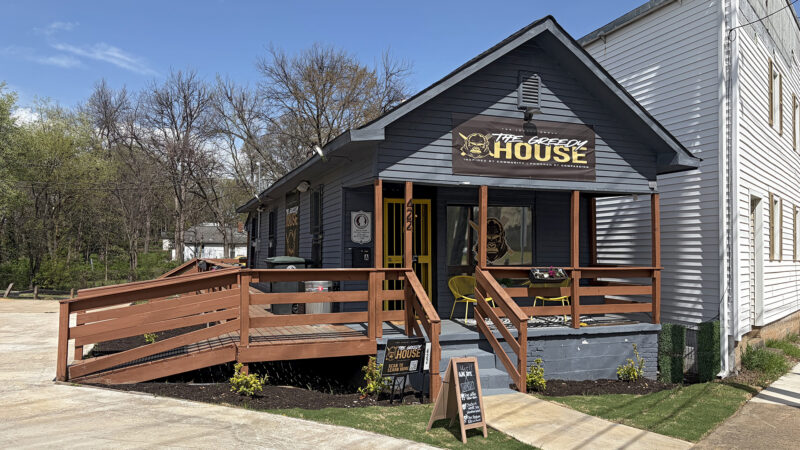
Auburn football player uses NIL funds to open a community hub in Birmingham
Jourdin Crawford, a freshman defensive lineman at Auburn, used earnings from a Name, Image, and Likeness deal to give back to his hometown.
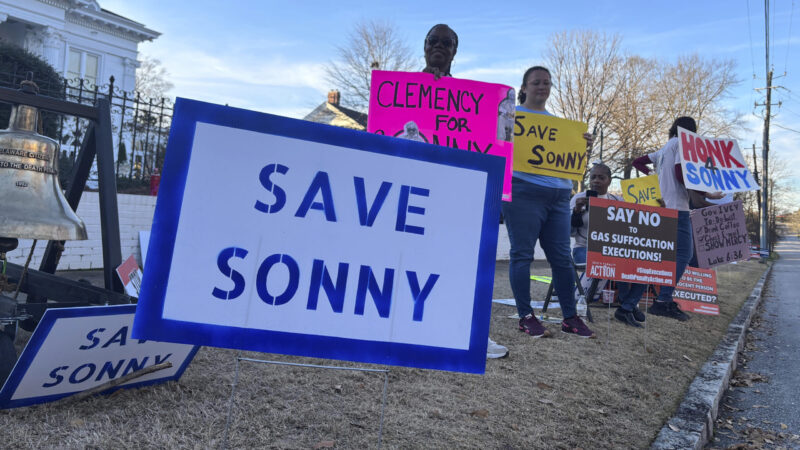
Ivey commutes death sentence of inmate whose accomplice fired fatal shot
Charles “Sonny” Burton was sentenced to death for the killing of Doug Battle during a 1991 robbery. However, another man shot Battle when Burton had left the building.
