New Clocks Launch November 17th
Starting Monday, November 17th, some of your favorite programs may sound a bit different. NPR, after extensive study and collaboration with member stations, is updating the programming “clocks” for Morning Edition and All Things Considered. Similar changes are in store for Weekend Edition and Weekend All Things Considered.
“Clocks” are the specific templates that we use at NPR, WBHM and other stations to tell us the precise timing of all the elements in the program. From how long the newscast will be, to when the funding credits are aired, to how much of a window we will have for the weather forecast or a feature story from WBHM’s news team.
While every NPR member station uses the same “clock” for these specific programs, each station adapts the template to best serve their local audience. That’s why, when traveling, a program such as All Things Considered will sound mostly the same everywhere but with slight variations — such as a local/regional newscast, promotion, or feature stories inserted into the program at different times.
Click here to view/download the new Morning Edition clock.
Click here to view/download the new All Things Considered clock.
Q: Why are the clocks changing?
A: Today’s media landscape is vastly different from the one that existed when the current clocks were put into service. Smart phones, podcasts, satellite radio, and connected cars are altering the way listeners get their news — from public radio and other media. While changes have been made to the clocks over the years, none have directly addressed these changing habits. In addition, people are increasingly turning to public media for news and information about their communities. WBHM has invested in building local news capacity and is looking for places in the radio “news magazines” to air stories. It’s NPR’s desire to provide the flexibility in the news magazines to strengthen what are truly collaborative productions.
Q: Will I notice the change?
A: You might not. Most of the changes are in Morning Edition, and little is changing in terms of things being added or taken away. It’s more how things are arranged and presented. Keen listeners will note that certain program elements will air at different times.
Q: What specifically might I notice?
A: In Morning Edition, additional newscasts have been added at 19:00 and 42:00 past the hour, and the bottom of the hour newscast has been eliminated. Also, in Morning Edition, weekly interviews with John Archibald and Cindy Crawford will move to approximately 45:00 past the hour.
Q: Will any other clocks change?
A: As of this writing, Fresh Air and Here & Now are scheduled to change in early 2015. Similar to the current clock changes, the shows will not sound drastically different; rather, some program elements may move or get tweaked in length.
Q: Will you be adding/dropping programming as a result of this change?
A: No. Changes in the clock do not mean new programming will be added or current programming will be taken off.
If you have further questions regarding the NPR clocks, you can contact WBHM’s Program Director, Michael Krall, at 205-934-2211 or at [email protected].

Crew of fatal US military crash included Alabama father recently deployed
The six U.S. service members who died in the crash of a U.S. military refueling aircraft included an Alabama father who had just been promoted and deployed. The U.S. government released the identities of the deceased service members Saturday.
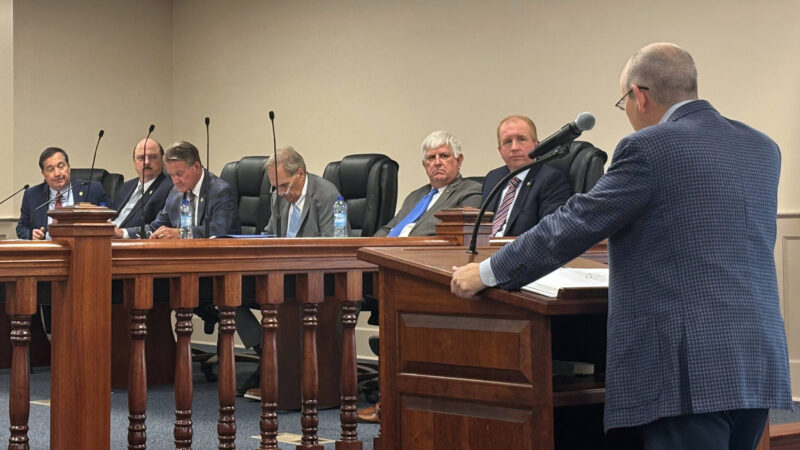
Alabama poised to drastically overhaul utility regulation. Will it lower electric bills?
The Alabama Senate unanimously voted to expand the public service commission, and create a Secretary of Energy to address rising electricity prices. A bill in the House would go even further, requiring rate case hearings and limiting utility profits.

Musher from Alabama is going for back-to-back Iditarod wins
Riches and paid appearances haven’t followed Jessie Holmes since he won the world’s most famous sled dog race, the Iditarod, last year. He doesn't mind.
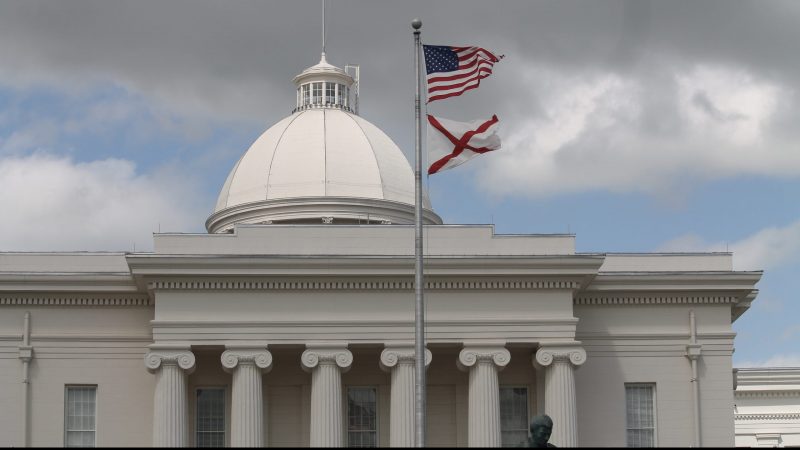
Bill would move Alabama to closed primaries
Right now, any Alabama voter can participate in a primary election. Lawmakers in Montgomery took up a bill this week that would change that system.
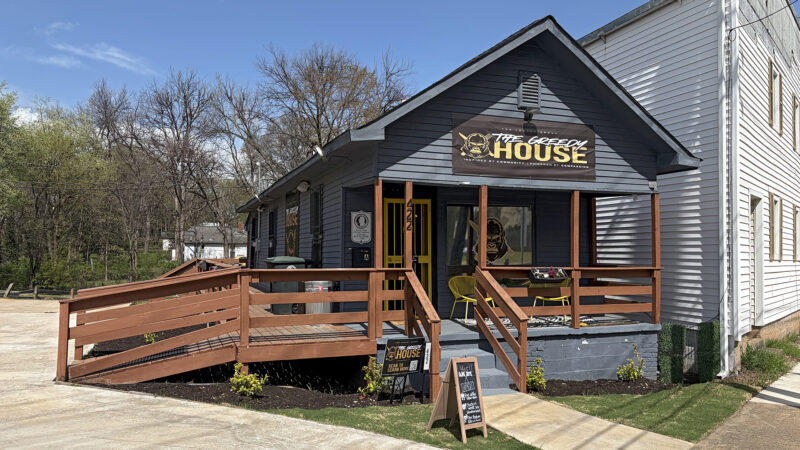
Auburn football player uses NIL funds to open a community hub in Birmingham
Jourdin Crawford, a freshman defensive lineman at Auburn, used earnings from a Name, Image, and Likeness deal to give back to his hometown.
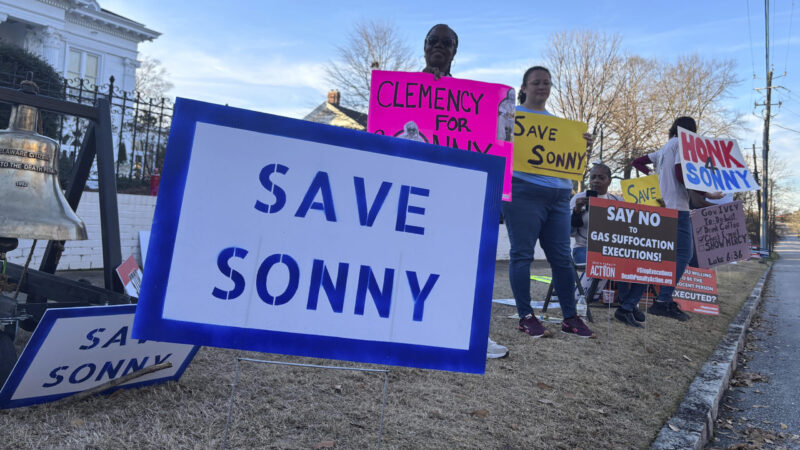
Ivey commutes death sentence of inmate whose accomplice fired fatal shot
Charles “Sonny” Burton was sentenced to death for the killing of Doug Battle during a 1991 robbery. However, another man shot Battle when Burton had left the building.