
INTERVIEW: James Willig On The “Gamification” Of Medical Education

 Birmingham — Medical education is always evolving. One way it’s changed in recent years is that residents are not allowed to work the long, judgment-impairing shifts they used to. Most agree that’s good. But how do you make up for all that lost teaching time? Some UAB researchers think they have an answer: video games. They created a competitive educational game called “Kaizen-Internal Medicine,” or just “Kaizen-IM,” and a small but promising study showed that busy young doctors learned from it in their off hours. UAB’s James Willig sat down with WBHM’s education reporter Dan Carsen to explain. Willig starts with the downside of limiting residents’ work hours. The on-air version is above, with an extended web-only version below:
0:00 — Carsen asks Willig about his background and how he got involved with this novel approach to medical education.
0:33 — Carsen asks Willig to relay the basics of the study he and his colleagues put together.
1:36 — Willig details tradeoffs between protecting medical trainees (and patients) from sleep deprivation versus losing learning time.
1:53 — Willig talks about why the group got together.
2:14 — The infamous “stack of tomorrows”…
2:45 — Carsen checks his own understanding of the tradeoffs associated with limiting medical trainee work hours. Willig elaborates and adds, “something had to give….”
5:20 — Doctors tend to be competitive, which is good for the purposes of the study.
5:58 — Carsen asks about how the video game works.
6:10 — Willig explains how they came up with the game’s questions.
7:10 — The game is streamlined enough to play on a quick elevator ride.
7:50 — Willig describes how one plays the game.
8:20 — Rewarding not just knowledge but consistent participation…
8:50 — From nothing, to petri dish, to crutches, to the all-powerful Coffee Lord…
9:25 — Carsen asks who designed the game.
9:35 — UAB’s CTSA (Clinical and Translational Science Awards).
10:10 — Artistry helped.
10:34 — Carsen asks about the paper Willig and the group have submitted.
11:00 — Carsen asks about other research on this potentially revolutionary approach to general (as opposed to surgical) medical education. Willig talks about what he thinks makes the study unique.
11:55 — Making the game a part of the culture of residency programs…
12:25 — Carsen asks if this new approach, like 3-D printing prosthetics, is the result of a serendipitous convergence of new technologies — an idea whose time has come. Willig shares his thoughts.
12:55 — Willig points out that today’s med students are millennials who learn differently from other generations. He says the game can “meet them where they are.”
14:30 — Who’s the old man now? “I know they’re on Facebook….”
14:50 — A chance to turn a distraction into an asset.
15:00 — Carsen asks about the name of the game, “Kaizen-Internal Medicine,” or just “Kaizen-IM.”
15:25 — Every health professional can help improve health care.
15:50 — Lessons to last a lifetime…

Crew of fatal US military crash included Alabama father recently deployed
The six U.S. service members who died in the crash of a U.S. military refueling aircraft included an Alabama father who had just been promoted and deployed. The U.S. government released the identities of the deceased service members Saturday.
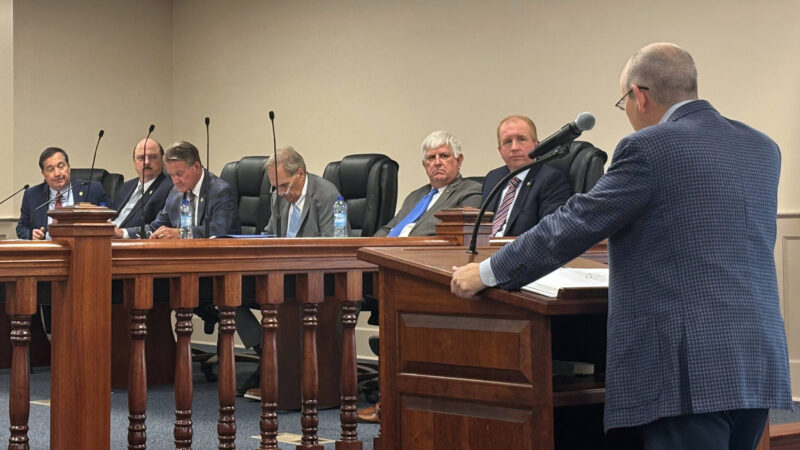
Alabama poised to drastically overhaul utility regulation. Will it lower electric bills?
The Alabama Senate unanimously voted to expand the public service commission, and create a Secretary of Energy to address rising electricity prices. A bill in the House would go even further, requiring rate case hearings and limiting utility profits.

Musher from Alabama is going for back-to-back Iditarod wins
Riches and paid appearances haven’t followed Jessie Holmes since he won the world’s most famous sled dog race, the Iditarod, last year. He doesn't mind.
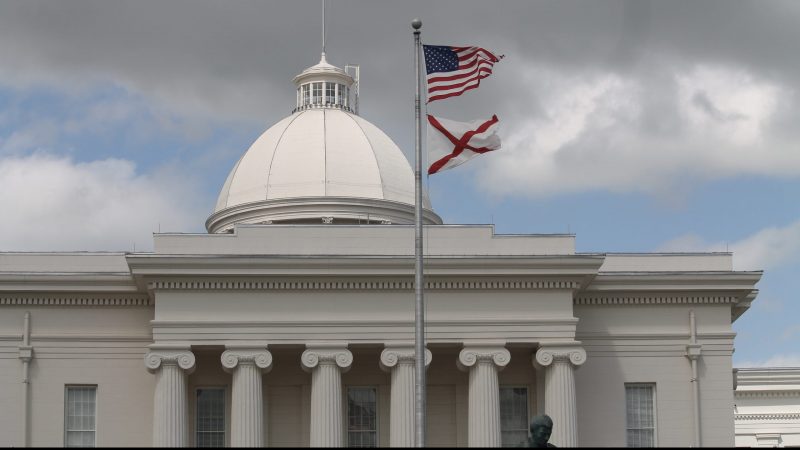
Bill would move Alabama to closed primaries
Right now, any Alabama voter can participate in a primary election. Lawmakers in Montgomery took up a bill this week that would change that system.
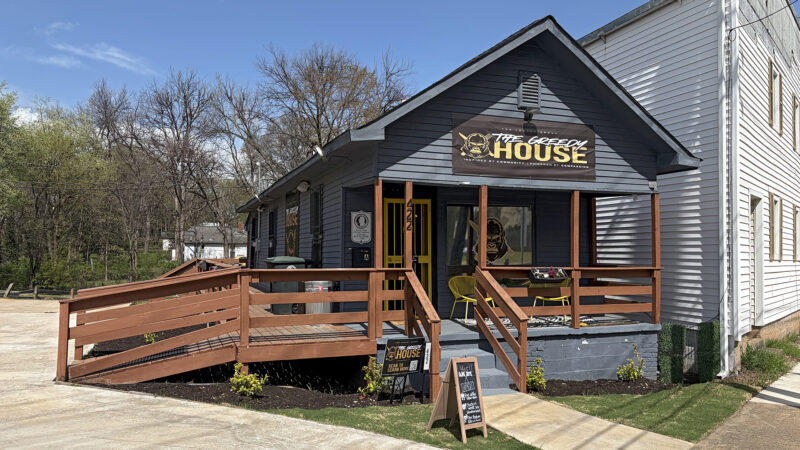
Auburn football player uses NIL funds to open a community hub in Birmingham
Jourdin Crawford, a freshman defensive lineman at Auburn, used earnings from a Name, Image, and Likeness deal to give back to his hometown.

Ivey commutes death sentence of inmate whose accomplice fired fatal shot
Charles “Sonny” Burton was sentenced to death for the killing of Doug Battle during a 1991 robbery. However, another man shot Battle when Burton had left the building.