
A Dialogue on the Brain with the Dalai Lama
A Dialogue on the Brain with the Dalai Lama
The brain is a changing organ that can heal itself after injury. That’s the message from a dialogue involving the Dalai Lama and scientists at UAB’s Alys Stephens Center Saturday.
The symposium, titled “Neuroplasticity and Healing,” featured the research of Michael Merzenich and UAB neuroscientist Edward Taub. Merzenich pioneered the concept of neuroplasticity — the ability of the brain to grow, change, and heal. Scientists previously thought once a person reached adulthood, his or her brain was basically fixed. If the brain was injured, there was little that could be done to repair it.
Taub’s research has shown that’s not the case. He developed Constraint-Induced Movement Therapy which has been used to treat victims of stroke and other brain injuries. The therapy “rewires” the brain so the patient regains movement in the affected body part.
One person’s experience with the therapy
Merzenich and Taub presented their findings as the Dalai Lama periodically interrupted with questions.
“Since childhood [I] was always curious,” said the Dalai Lama. “Whenever I came across something new, I always raised the question why? How?”
The Dalai Lama explained that neuroscience is an area he has had a long-time interest in and by meeting with scientists he seeks to expand his knowledge and make real life applications.
East vs. West
Symposium moderator Norman Doidge noted the differences between Eastern and Western approaches to medicine. Western methods tend to break down and analyze while Eastern medicine looks more holistically. He says there had often been misunderstanding between the two sides but neuroplasticity offers a bridge.
“Many of the claims that Eastern medicine was making fell on deaf ears because we didn’t have a concept to explain how these mental practices could achieve the outcome that were often claimed,” said Doidge. “So there was a tendency to distrust them…think them superstitious.”
During the Dalai Lama’s visit, his first to Alabama, he will also host an interfaith dialogue at the Alabama Theater Sunday morning and give a public talk on secular ethics at Regions Field Sunday afternoon.
Meanwhile protesters have followed the Dalai Lama’s appearances in Birmingham. Members of the International Shugden Community say he has banned the tradition of praying to the Buddhist deity Dorje Shugden. Protesters say this has led to an aggressive campaign of persecution and discrimination against the sect.
~ Andrew Yeager, October 25, 2014
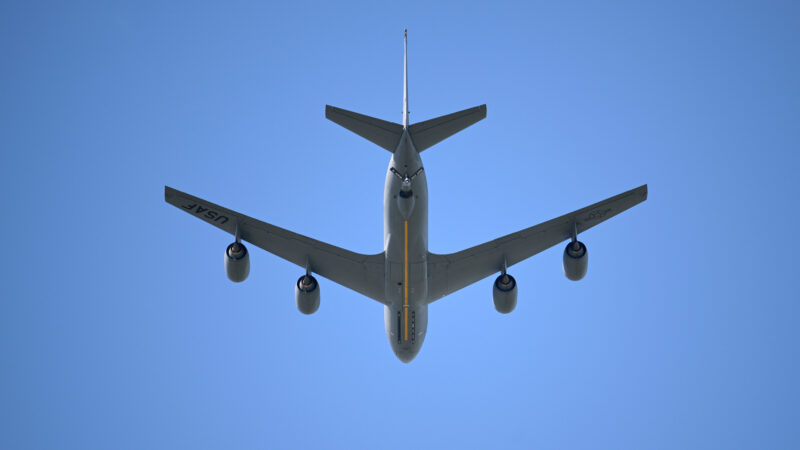
Crew of fatal US military crash included Alabama father recently deployed
The six U.S. service members who died in the crash of a U.S. military refueling aircraft included an Alabama father who had just been promoted and deployed. The U.S. government released the identities of the deceased service members Saturday.
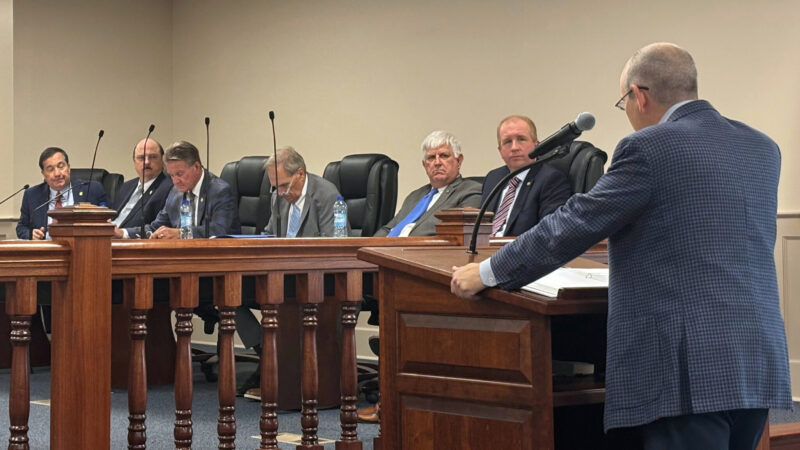
Alabama poised to drastically overhaul utility regulation. Will it lower electric bills?
The Alabama Senate unanimously voted to expand the public service commission, and create a Secretary of Energy to address rising electricity prices. A bill in the House would go even further, requiring rate case hearings and limiting utility profits.
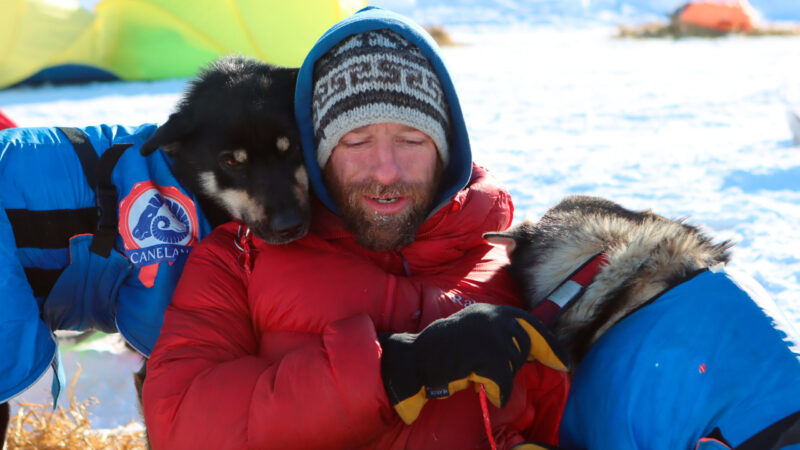
Musher from Alabama is going for back-to-back Iditarod wins
Riches and paid appearances haven’t followed Jessie Holmes since he won the world’s most famous sled dog race, the Iditarod, last year. He doesn't mind.
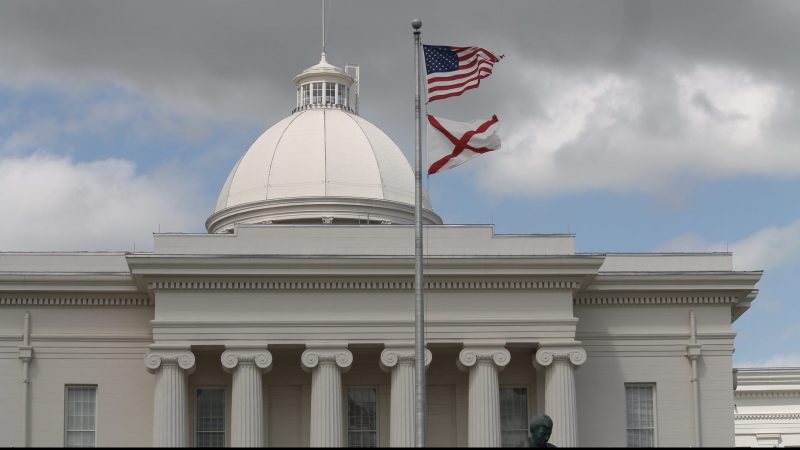
Bill would move Alabama to closed primaries
Right now, any Alabama voter can participate in a primary election. Lawmakers in Montgomery took up a bill this week that would change that system.
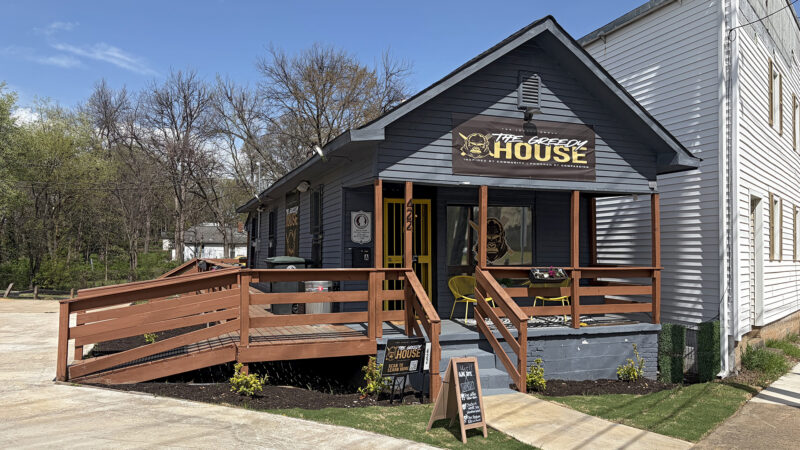
Auburn football player uses NIL funds to open a community hub in Birmingham
Jourdin Crawford, a freshman defensive lineman at Auburn, used earnings from a Name, Image, and Likeness deal to give back to his hometown.
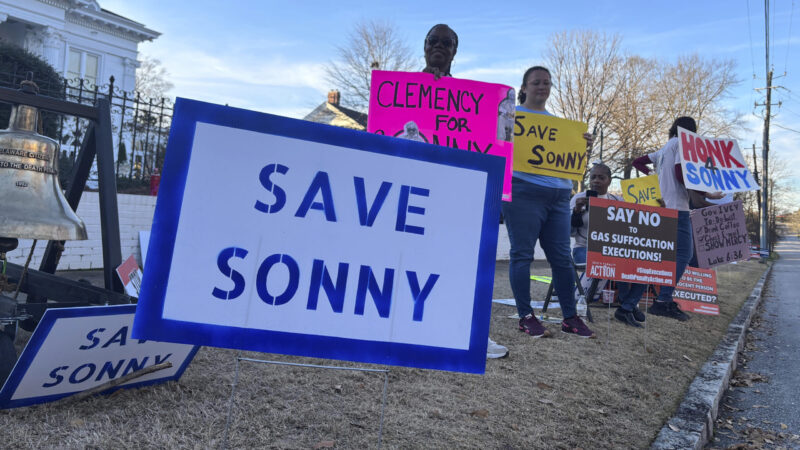
Ivey commutes death sentence of inmate whose accomplice fired fatal shot
Charles “Sonny” Burton was sentenced to death for the killing of Doug Battle during a 1991 robbery. However, another man shot Battle when Burton had left the building.
