
Rivers: A Debut Novel
Eight years ago today Hurricane Katrina roared out of the Gulf of Mexico leaving more than 1,800 people dead with an estimated $125 billion in damage. Now imagine a series of storms of that intensity parked over the Gulf all the time and you have the setting for a first novel by a young Mississippi author.
Michael Farris Smith was a successful short fiction writer when he decided it was time to tackle a novel. The aftermath of Hurricane Katrina stirred his imagination.
“I’m from South Mississippi, have family and friends there and in New Orleans and that’s what got me thinking about it. I originally wanted to write a post-Katrina novel but I didn’t like manipulating the reality of that situation but I kept thinking about.”
The idea that took shape became the novel Rivers. It imagines a Gulf constantly roiling with one hurricane after the other creating a Hobbesian landscape under siege by mother nature without functioning systems, abandoned by authority and inhabited only by a few desperate people. Smith explains life below the line in this passage from the book.
“It had been 613 days since the declaration of the line, a geographical boundary drawn 90 miles north of the coastline from the Texas-Louisiana border, across the Mississippi coast to Alabama. A geographical boundary that said, we give up, the storms can have it. No more rebuilding and no more reconstruction. Those that decided to stay had decided to stay at their own risk. There was no law, no offering, no service, no protection. Residents had be given a months notice that the line was coming and a mandatory evacuation order had been decreed and help was offered until the deadline and then you were on your own if you stayed behind. The line had been drawn and everything below was considered primitive until the hurricanes stopped. And no one knew if that time would ever come.”
One of those who stays behind is the novel’s central character, Cohen, who subsists on a few canned goods and reads by kerosene lamp. And why does he stay below the line?
“It’s a combination of things. He’s extraordinarily heartbroken. His wife who was pregnant with their first child is killed during one of the mandatory evacuations. And then he has the attachment to land like a lot of southerners do. It’s family land, it’s land he grew up on, it’s generational and he’s just not ready to let go. And he feels like he’s going to stay and brave it and survive in his isolation because that’s all he really cares about anymore. Essentially, he’s lost everything he loves.”
The story follows Cohen’s encounters with other survivors, the marauders who prey upon the less fortunate and the humanity he experiences in this desolate landscape. An important subplot of Rivers is climate change. While Michael Smith says he did not write the novel as an environmental statement, early on he realized that the more frequent and more violent storms predicted by scientists had become a central character in the story.
“I wrote the first 15 or 20 pages and I felt like I had something to work with and I handed to a friend of mine who I trust as a reader and his immediate response was the thing that makes this story interesting and scary to me is I can imagine this scenario happening one day. And I think that sat in the back of my mind and I think even more so now that the book has been written and reviewed and talked about. And hearing the things that people are saying and reacting to in terms of the weather and what the landscape looks like and what it might become, I don’t think you can ignore it. I hate to say that but I just don’t think you can ignore it.”
Rivers, a novel by Michael Farras Smith will be published by Simon and Schuster. September 10th, right in the heart of hurricane season.
~Greg Bass, August 29, 2013

Crew of fatal US military crash included Alabama father recently deployed
The six U.S. service members who died in the crash of a U.S. military refueling aircraft included an Alabama father who had just been promoted and deployed. The U.S. government released the identities of the deceased service members Saturday.
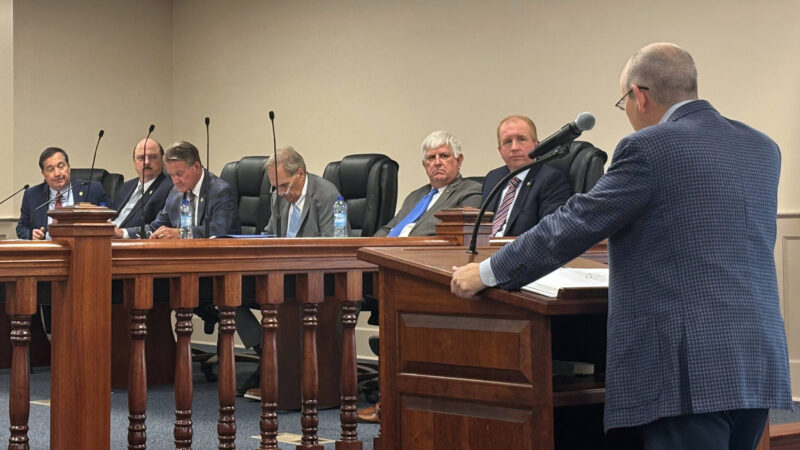
Alabama poised to drastically overhaul utility regulation. Will it lower electric bills?
The Alabama Senate unanimously voted to expand the public service commission, and create a Secretary of Energy to address rising electricity prices. A bill in the House would go even further, requiring rate case hearings and limiting utility profits.
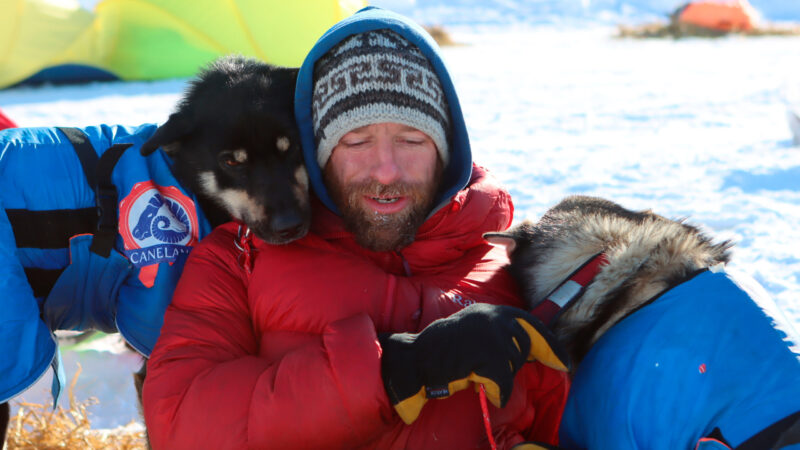
Musher from Alabama is going for back-to-back Iditarod wins
Riches and paid appearances haven’t followed Jessie Holmes since he won the world’s most famous sled dog race, the Iditarod, last year. He doesn't mind.
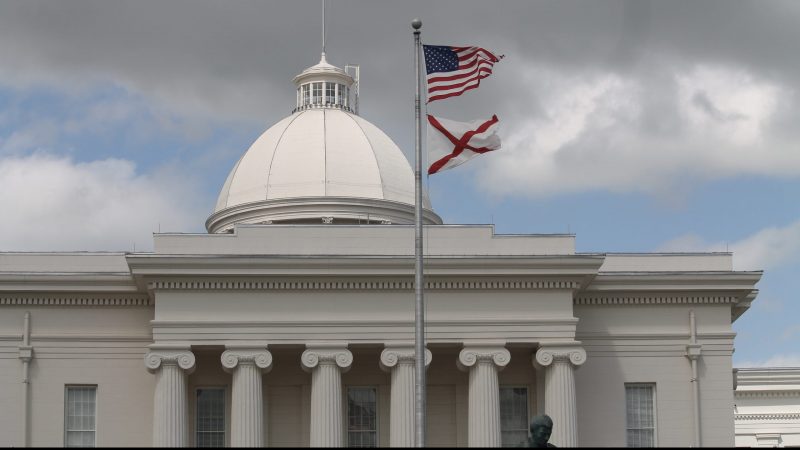
Bill would move Alabama to closed primaries
Right now, any Alabama voter can participate in a primary election. Lawmakers in Montgomery took up a bill this week that would change that system.
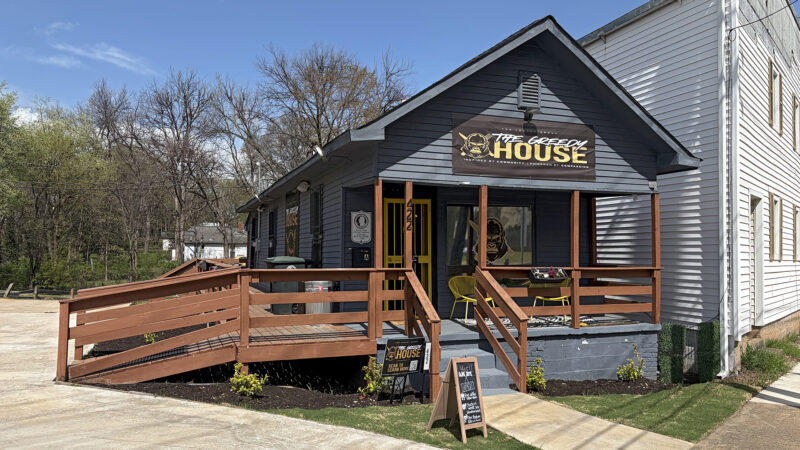
Auburn football player uses NIL funds to open a community hub in Birmingham
Jourdin Crawford, a freshman defensive lineman at Auburn, used earnings from a Name, Image, and Likeness deal to give back to his hometown.
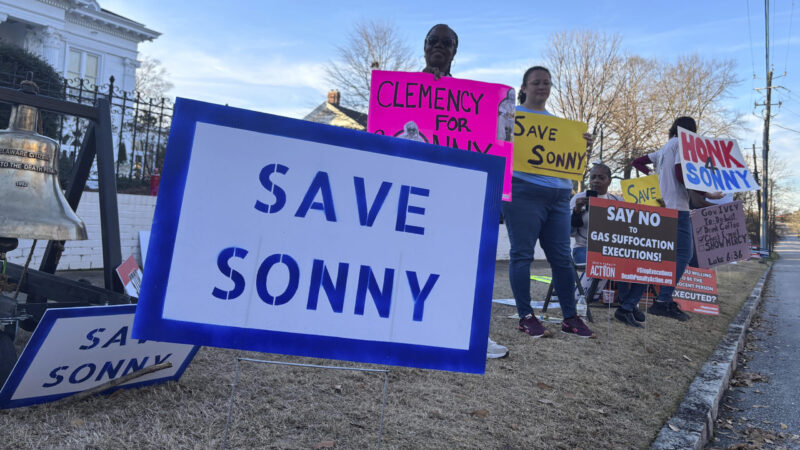
Ivey commutes death sentence of inmate whose accomplice fired fatal shot
Charles “Sonny” Burton was sentenced to death for the killing of Doug Battle during a 1991 robbery. However, another man shot Battle when Burton had left the building.