Money Tight, Scientists Turn To Crowdfunding
 Birmingham, Ala.– In the past decade, it’s gotten much harder for scientists to get the federal grants that fund the vast majority of American research. This year’s sequester has made it even more
difficult, and the government shutdown is likely to slow things down even
further. So scientists are looking for new ways to pay for their work, including
“crowdfunding.” But going online and asking the public for money has real
drawbacks. Even so, as WBHM’s Southern Education Desk reporter Dan Carsen tells us, some think it could open up the field in a good way:
Science is about the pursuit of knowledge, but working scientists will tell you there’s a lot more to it. The
politics reach from local labs to the U.S. Congress. And then there’s the money-scrounging. Research
dollars boost the whole economy, but that doesn’t mean there’s enough funding out there to run labs or
find cures.
“Researchers with great ideas, with a lot of potential, that can save lives, don’t get
enough funding to bring these treatments to the people who need it the most,” says
Hoover native and former cancer researcher Larry Lawal. He worries that while we’re cutting
science budgets, other nations are expanding them. So he recently left UAB medical school to start a
new company called HealthFundIt.
“People who care about different diseases can go online, connect with researchers
doing groundbreaking work, and donate a small amount,” he says. “It’s to democratize funding, and give
everyday people a voice and a chance to make things happen.”

Lawal’s company will have expert scientists reviewing proposals. But that’s not how it’ll work
everywhere, and even pro-crowdfunding experts see a problem. Claremont University research policy
expert David Drew is one of them.
“There could be money wasted on projects that are ridiculous,” he says. “Unlike submitting a
proposal to the National Science Foundation, [or] the National Institutes of Health, there’s no quality
review of the scientific merit of the idea.”
Still, Drew thinks crowdfunding’s benefits outweigh that risk because it’s spread among voluntary
investors. And he says expert review will happen later in the process as researchers try to get published.
But in the bigger picture, many doubt crowdfunding could raise, say, twenty million dollars for a clinical
drug trial. And making ideas or data so public opens them up to theft. And finally, there’s the issue of safety if research is done without traditional oversight.
“If the research is being done by someone at a university, there’s a good chance it’ll be
reviewed by their I.R.B. — institutional review board,” says Drew. “But with crowdfunding, possibly not. And it is
of vital importance.”
It all depends on the particular companies, most of which are still evolving. But at UAB there’s a social scientist who’s already had crowdfunding success: Pia Sen
raised twenty-two thousand dollars for gun policy research through an online portal called Microryza. I
asked her if crowdfunding could take scientific merit out of the equation and make research a popularity
or public-relations contest. She doesn’t think so.
“Here, I’m putting out a proposal for all the world to see, including my peers,” she says. “I think
the fear of being made to look like an idiot in front of your peers is a good deterrent for not
putting up anything that’s absolutely terrible.”
More and more researchers say today’s funding climate is pushing them toward unconventional
sources. One told me competition for grants is “like something out of Thunderdome.” Another says
we’re close to “losing a generation of scientists.” But Drew thinks crowdfunding will help less-established
researchers who go against conventional wisdom. And he’s got a well-known example:
“Einstein went to work in the patent office in Switzerland because he did not get the
university jobs that he wanted. And, from this unlikely spot, he produced the most important
research and theorizing of the twentieth century. There are all kinds of people out there with creative ideas,
and the more resources we have to fund them, the better.”
Especially after this year’s sequester cuts, researchers say it’s a bad time to have a good idea.
Crowdfunding could help change that. And that might benefit us all, assuming next year doesn’t
become a good time to have a bad idea.

Crew of fatal US military crash included Alabama father recently deployed
The six U.S. service members who died in the crash of a U.S. military refueling aircraft included an Alabama father who had just been promoted and deployed. The U.S. government released the identities of the deceased service members Saturday.
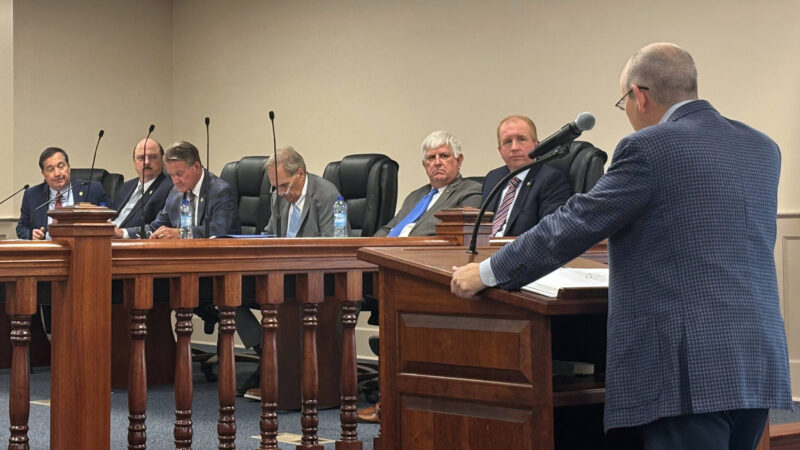
Alabama poised to drastically overhaul utility regulation. Will it lower electric bills?
The Alabama Senate unanimously voted to expand the public service commission, and create a Secretary of Energy to address rising electricity prices. A bill in the House would go even further, requiring rate case hearings and limiting utility profits.
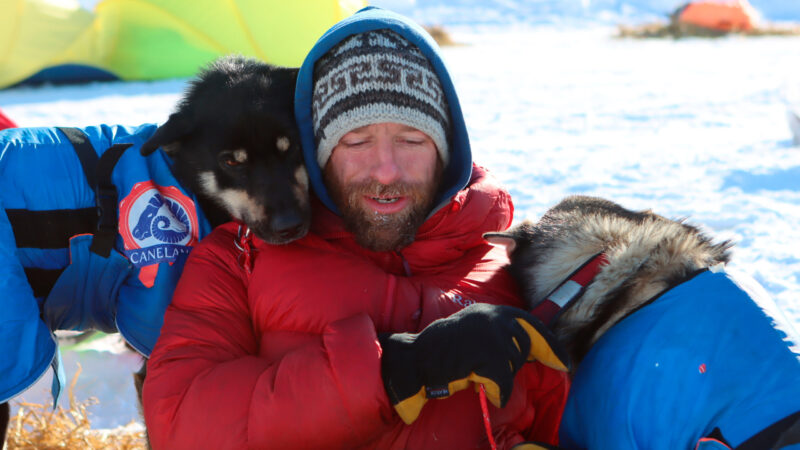
Musher from Alabama is going for back-to-back Iditarod wins
Riches and paid appearances haven’t followed Jessie Holmes since he won the world’s most famous sled dog race, the Iditarod, last year. He doesn't mind.
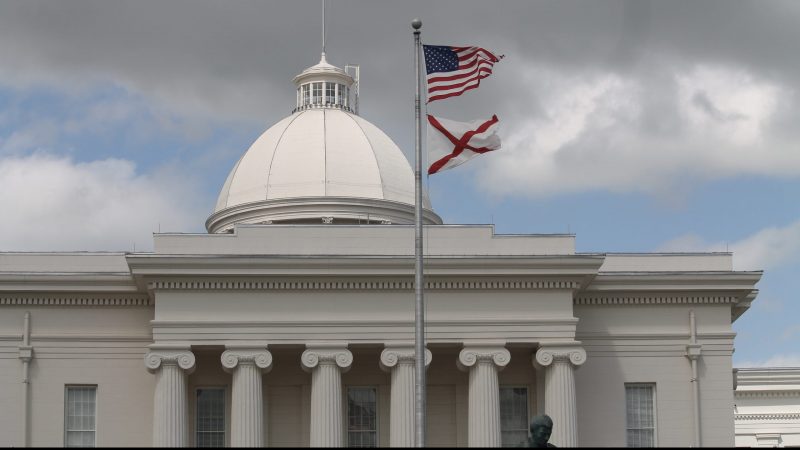
Bill would move Alabama to closed primaries
Right now, any Alabama voter can participate in a primary election. Lawmakers in Montgomery took up a bill this week that would change that system.
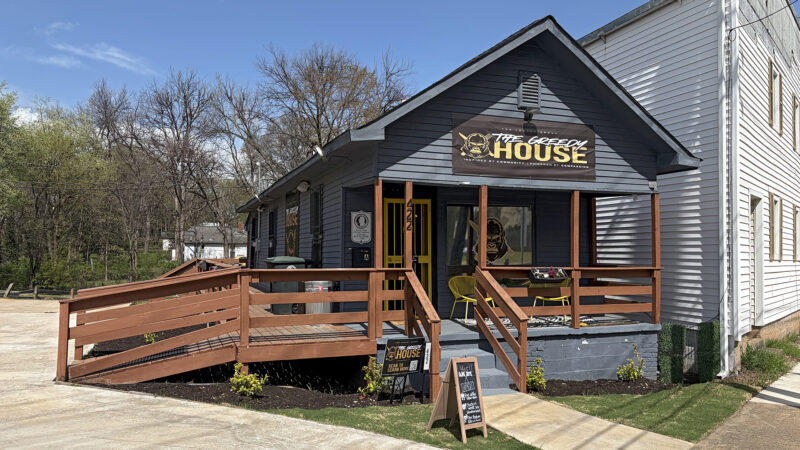
Auburn football player uses NIL funds to open a community hub in Birmingham
Jourdin Crawford, a freshman defensive lineman at Auburn, used earnings from a Name, Image, and Likeness deal to give back to his hometown.
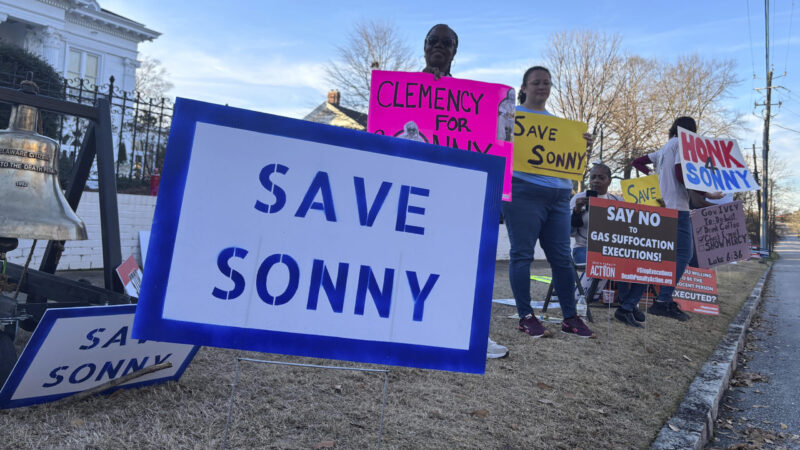
Ivey commutes death sentence of inmate whose accomplice fired fatal shot
Charles “Sonny” Burton was sentenced to death for the killing of Doug Battle during a 1991 robbery. However, another man shot Battle when Burton had left the building.