
A New Direction for Alabama’s Medicaid System
You might not realize how much of Alabama’s healthcare industry is supported by Medicaid. The program provides healthcare for almost a million low income residents. It pays for about a half of all childbirths in the state and two-thirds of nursing home patients’ care. Without Medicaid, Alabama’s healthcare system couldn’t function.
But Medicaid also takes a lot of money — about a third of Alabama’s non-education spending. And the costs keep rising. State Health Officer Don Williamson says when the recession hit, more people signed up for Medicaid. But taxes to pay for it didn’t go up. Then there’s the rising cost of healthcare generally. And there are fluctuations in how much Alabama’s dollars are matched by Washington.
“And the way those play together, almost always will force Medicaid to need more money every year.”
Under the Affordable Care Act, states could expand Medicaid eligibility. But Governor Robert Bentley chose not to. Still the Kaiser Family Foundation estimates Alabama can expect 58,000 new enrollees because of the “woodwork effect” — people looking for health insurance as provisions of the federal healthcare law kick in.
Williamson says Medicaid is actually pretty cheap on a per person basis, but it’s not very efficient.
“Medicaid doesn’t coordinate care well for clients. We have bad incentives in the system that tend to increase hospital utilization decrease outpatient services and increase emergency room visits.”
A New State Panel
Last fall, Governor Bentley tapped Williamson to lead the Alabama Medicaid Advisory Commission to look at how to improve efficiency and keep costs down. The group includes representatives from the healthcare system and political leaders. Wednesday they voted on turning Medicaid into a managed care system. There’s a commercial option, where the state pays a third party to run the program. The commission also examined a “community” option where the state handles it itself.
The commission voted in favor of the community option. Under the plan the state would be split into up to 12 regions, which can choose to stay community or contract with a commercial operator.
Jim Carnes is with the anti-poverty group Alabama Arise and he’s the lone consumer advocate on the panel. He believes managed care will make for a better Medicaid system.
“If you can coordinate care around the patient, then everybody wins. You get better results for that patient, a better experience, and costs are kept lower because you have fewer redundancies and fewer gaps.”
Not A Perfect Solution
The idea of managed care is nothing new. Many states have it and some have had it for years. Joan Alker with the Health Policy Institute at Georgetown University says it does offer better coordination of care, but savings may be elusive.
“I think what states like about managed care is that they get some budget certainty and predictability. But really there isn’t any strong evidence to show that over the long term managed care is going to save money.”
Not everyone is sold on the work of the Medicaid commission. Democratic House Minority Leader Craig Ford says when Governor Bentley appointed the lawmakers to the panel they were mostly Republicans.
“He appointed people to tell him what he wants to hear. And it’s just a dog and pony show.”
Ford thinks Alabama should raise its cigarette tax a dollar a pack to shore up Medicaid. But a bill to do that went nowhere in the last legislative session.
Alabama’s Medicaid Advisory Commission is expected to issue full recommendations later this month. But for any changes to actually happen, they must be approved by the legislature, which is a far higher bar than a mere commission report.
~ Andrew Yeager, January 18, 2013

Crew of fatal US military crash included Alabama father recently deployed
The six U.S. service members who died in the crash of a U.S. military refueling aircraft included an Alabama father who had just been promoted and deployed. The U.S. government released the identities of the deceased service members Saturday.
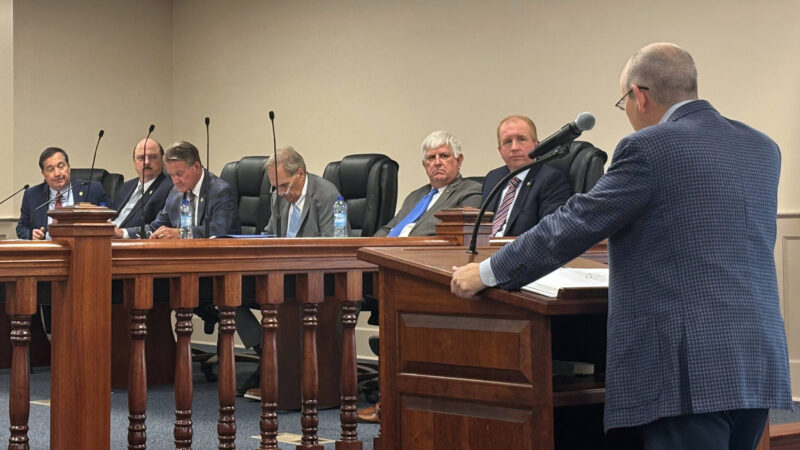
Alabama poised to drastically overhaul utility regulation. Will it lower electric bills?
The Alabama Senate unanimously voted to expand the public service commission, and create a Secretary of Energy to address rising electricity prices. A bill in the House would go even further, requiring rate case hearings and limiting utility profits.

Musher from Alabama is going for back-to-back Iditarod wins
Riches and paid appearances haven’t followed Jessie Holmes since he won the world’s most famous sled dog race, the Iditarod, last year. He doesn't mind.
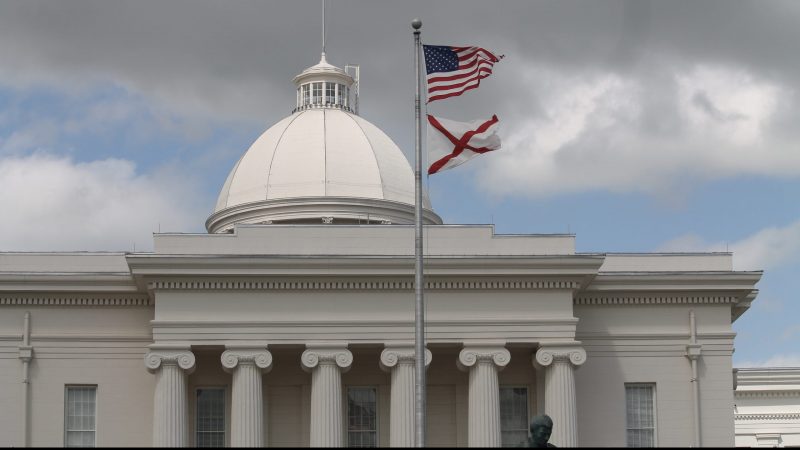
Bill would move Alabama to closed primaries
Right now, any Alabama voter can participate in a primary election. Lawmakers in Montgomery took up a bill this week that would change that system.
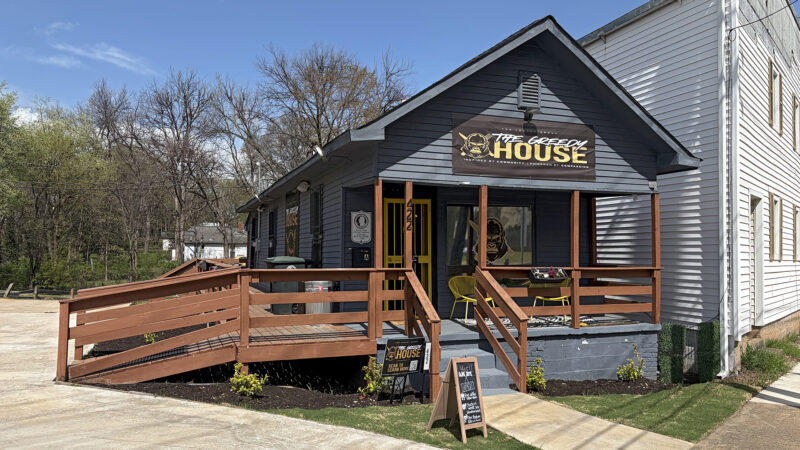
Auburn football player uses NIL funds to open a community hub in Birmingham
Jourdin Crawford, a freshman defensive lineman at Auburn, used earnings from a Name, Image, and Likeness deal to give back to his hometown.
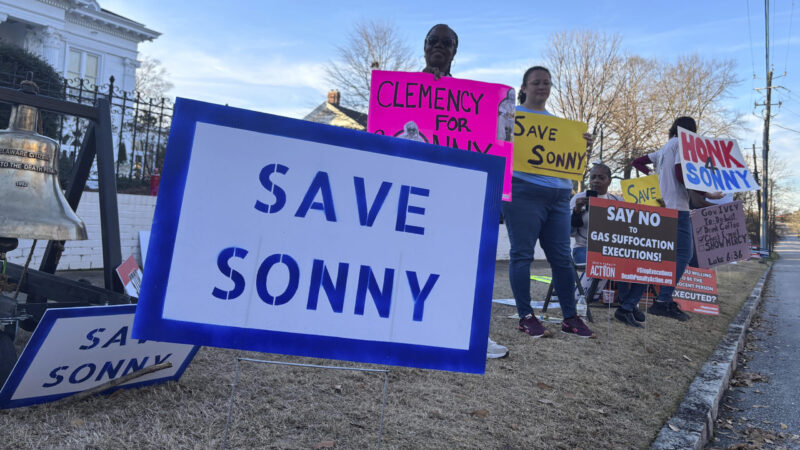
Ivey commutes death sentence of inmate whose accomplice fired fatal shot
Charles “Sonny” Burton was sentenced to death for the killing of Doug Battle during a 1991 robbery. However, another man shot Battle when Burton had left the building.