The Sewer and the Legislature
Jefferson County Commissioners have two weeks left to reach a settlement with creditors over the county’s more than three billion dollar sewer debt. Commissioners have been negotiating directly with Wall Street banks in hopes of avoiding what would be the largest municipal bankruptcy in U.S. history. While approving a settlement is an important part of resolving the sewer debt crisis, that’s not the end. As WBHM’s Andrew Yeager reports, it just means a trip to Montgomery.
Last month, Jefferson County commissioners met to review a settlement offer from creditors. Commission President David Carrington read the proposal to the chamber.
“As the county is aware these proposed rates have been made possible by the states willingness to support the refinancing with a moral obligation.
Now there’s plenty more legalese and financial lingo. And while the commission rejected that specific offer it does brings out a larger point — any settlement would likely involve the state of Alabama and require approval by the state legislature.
“Everybody wants this issue resolved.”
State Representative Paul DeMarco is a Republican and co-chair of the Jefferson County legislative delegation. If the county commission reaches a deal and the governor calls a special session, eyes will turn to the local delegation to see what they think. DeMarco says despite the fatigue over the sewer debt, he’ll still examine any settlement closely.
“There’s not going to be just a rubber stamp of any agreement. We’re going to look at how it affects the citizens of Jefferson County.”
Democratic State Representative Merika Coleman takes a similar view, but says there are sticky issues. A settlement could mean a new, refinanced debt backed by the state. It might require new sources of revenue or shoring up Jefferson County’s troubled general fund budget. And legislators don’t necessarily agree on those things.
“So we still have a lot of work to do in the delegation to make sure that point happens.”
The county delegation’s Democratic co-chair, State Representative John Rogers, is already staking out his position. At a rally in Linn Park on Thursday he railed against any settlement which would raise sewer rates.
“I can’t stop the deal. But I can stop them when they come to Montgomery. I can try to stop them.”
There’s a reason agreement among Jefferson County lawmakers is key to a settlement. Birmingham Southern College Political Scientist Natalie Davis says legislators often take their cues from local delegations.
“The general rule is that there is a kind of log rolling principal where if the county delegation is of one mind, then the legislature will go along with it and when their county’s have business to conduct that we would support them.”
State Senator Trip Pittman represents Baldwin County. That’s about as far away as you can get from Jefferson County geographically. He says he’d prefer a solution be crafted without the state legislature. He does believe there would be resistance to the state backing new debt or raising new revenue. But Pittman is also skeptical that a Jefferson County bankruptcy would really be that detrimental to other parts of Alabama trying to borrow money.
“You know people that have money are looking for good investments. If other counties or the state have good credit ratings, they’ll look at those cases on a, you know, individually. And they’ll make those decisions accordingly.”
Course right now, there is no specific settlement. Jefferson County Commissioners are still negotiating. Governor Robert Bentley office has been involved and is pushing to avoid bankruptcy. But if commissioners reach an agreement, only to watch the deal falter in the state legislature, Birmingham Southern’s Natalie Davis says that raises an interesting question.
“Who do you hold accountable for this kind of decision?”
The five county commissioners? The Jefferson County delegation? All the state lawmakers in Alabama? In fact it’s possible one state senator could kill the plan. Davis says though accountability really only comes into play one way.
“Folks are held accountable if and only if they get opposed in the next election. If you have no opposition, if just the newspapers don’t like you or the folks at the downtown Rotary Club don’t like you, that doesn’t mean anything unless they live in your district.”
Davis says if state legislators are kept informed of the details of a settlement, they’ll probably go along with it. We’ll just have to see what those details are as this latest deadline draws closer.

Crew of fatal US military crash included Alabama father recently deployed
The six U.S. service members who died in the crash of a U.S. military refueling aircraft included an Alabama father who had just been promoted and deployed. The U.S. government released the identities of the deceased service members Saturday.
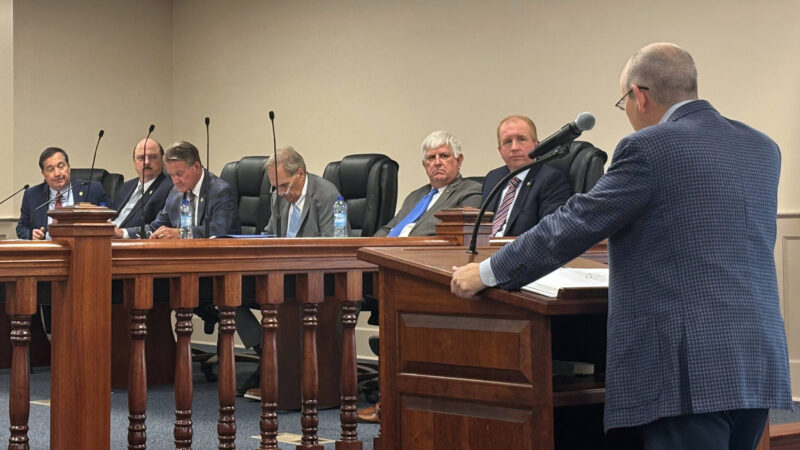
Alabama poised to drastically overhaul utility regulation. Will it lower electric bills?
The Alabama Senate unanimously voted to expand the public service commission, and create a Secretary of Energy to address rising electricity prices. A bill in the House would go even further, requiring rate case hearings and limiting utility profits.

Musher from Alabama is going for back-to-back Iditarod wins
Riches and paid appearances haven’t followed Jessie Holmes since he won the world’s most famous sled dog race, the Iditarod, last year. He doesn't mind.
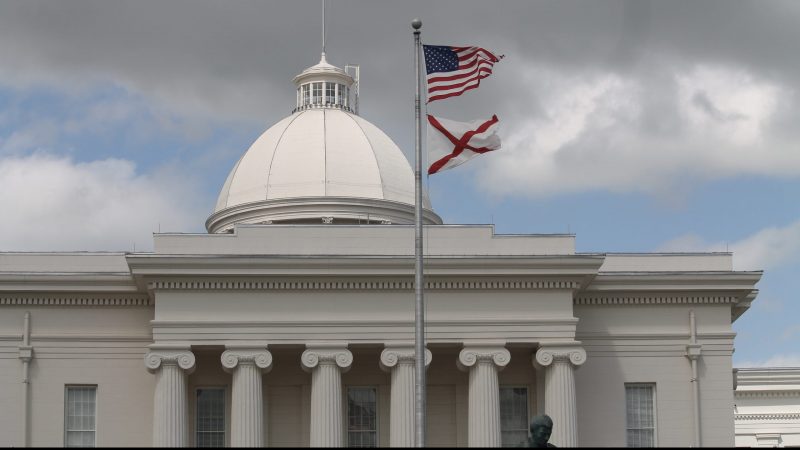
Bill would move Alabama to closed primaries
Right now, any Alabama voter can participate in a primary election. Lawmakers in Montgomery took up a bill this week that would change that system.
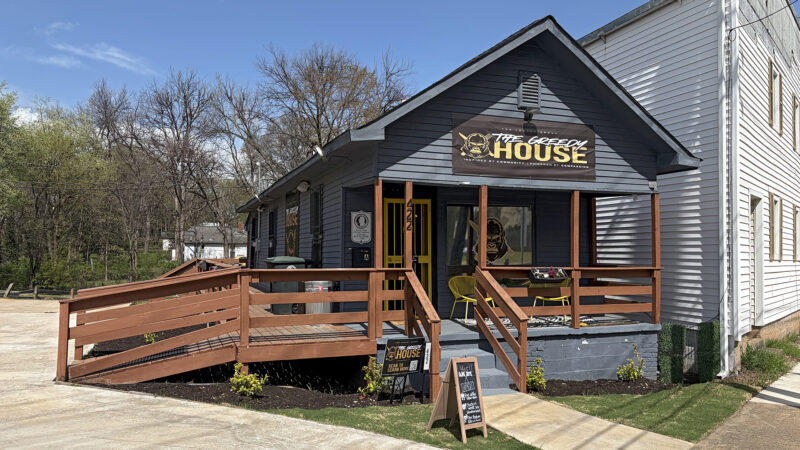
Auburn football player uses NIL funds to open a community hub in Birmingham
Jourdin Crawford, a freshman defensive lineman at Auburn, used earnings from a Name, Image, and Likeness deal to give back to his hometown.
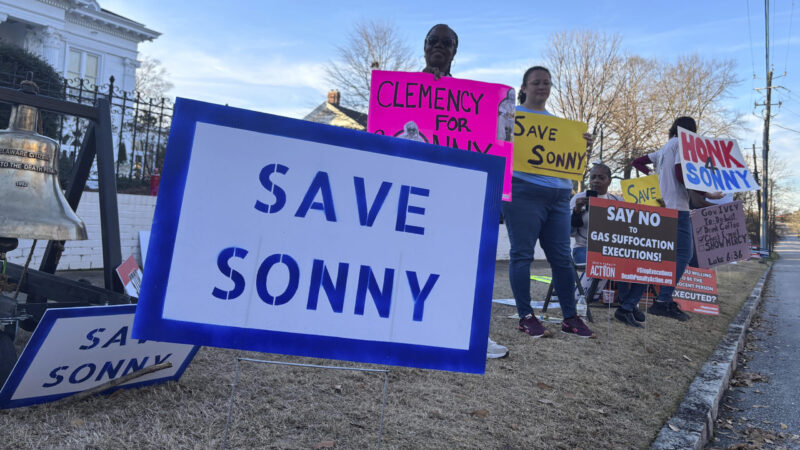
Ivey commutes death sentence of inmate whose accomplice fired fatal shot
Charles “Sonny” Burton was sentenced to death for the killing of Doug Battle during a 1991 robbery. However, another man shot Battle when Burton had left the building.