
The 2011 Tornadoes: Mental Health
Victims of April’s tornadoes have endured a whirlwind of emotions. It’s virtually impossible to live through such a disaster and not endure mental stress and strain. But the adrenaline and shock of those first few days are wearing off, bringing on a new set of mental health concerns. WBHM’s Andrew Yeager reports.
Kelly Falls didn’t see the tornadoes close up. She was traveling with her daughter on a school field trip. They were watching the weather channel on the bus, so she knew a tornado hit her hometown of Pleasant Grove.
“And I called my husband and he’s a six-foot five, 275 pound man and he was about hysterical.”
Falls’ family was safe, but their house was destroyed. She here at a survivors support meeting put on by the Pleasant Grove United Methodist Church. Falls is very type A, which made the aftermath very frustrating.
“I was wanting to, you know, organize things. You can’t organize a house that’s in a million pieces.”
Kelly Falls is still upbeat. She wears a t-shirt that reads “I was in the hands of God and I survived April’s fury.” A friend made it for her. But about a week-and-half ago, she broke down.
“I couldn’t even complete a sentence without crying. It’s like everything finally hit. I just had this overwhelming feeling I just wanted to go home.”
“That’s normal given the circumstances.”
UAB Clinical Psychologist Joshua Klapow says it’s expected survivors will hit an emotional wall now that their immediate needs are taken care of. First, comes the realization the recovery process will take a long time. Then the logistics and paperwork of rebuilding can seem daunting.
“Those two things can make people feel very helpless, very hopeless.”
Klapow says most people will feel really down for a time. But there is risk for more serious conditions, such as clinical depression, anxiety, Post-traumatic Stress Disorder or alcoholism. Shannon Polson volunteers with the Red Cross Disaster Mental Health team in Birmingham. She says she watches out for signs such as persistent sleep deprivation, long-term loss of appetite, large outbursts of anger.
“We all have what I call an anger tank. There’s only so much you have inside you to give. And when it starts filling up, you know, you need to let some of it go so you’re not exploding on the people around you.”
Alabama’s mental health community has been working to offer victims ways to “let some of it go.” The state’s Mental Health Commissioner Zelia Baugh says her office is partnering with the Red Cross, county mental health centers and faith-based groups to put counselors in the field and connect people with resources. And in a sense, she explains, Alabama’s Department of Mental Health went through this recently with last year’s gulf oil spill.
In that disaster, the state set up a singular toll free number for mental health needs. Baugh says one for the tornadoes is on the way.
“This is a one point of entry, so that people don’t have to call 15 different places. That compounds the frustration that’s already there.”
Baugh says she expects the tornado line to be open by the end of June.
UAB’s Joshua Klapow says most people will rebound from the tornadoes with time. Some may need short-term counseling. Others more significant treatment. But he says taking mental health seriously now will mean fewer problems later. Just as a physical wound can become infected, mental trauma can fester.
Klapow adds the community at large can play a role by reminding victims through words and actions that we aren’t going anywhere.
“They know that there are other tornadoes, there are other world events, and they want to know that not necessarily you’re gonna be there every day, but the services and support are going to be there.”
Back at Pleasant Grove United Methodist Church, Pastor John Gates has dubbed their tornado support meetings “Survivor School.” It’s been a learning experience for the church. They’re trying to strike that careful, sensitive balance.
“We want to be as much a support for them as we can and not bother them with it. Not chase them around with it, but be there for them when they need it.”
An approach that will apply for months to come, if not longer.

Crew of fatal US military crash included Alabama father recently deployed
The six U.S. service members who died in the crash of a U.S. military refueling aircraft included an Alabama father who had just been promoted and deployed. The U.S. government released the identities of the deceased service members Saturday.
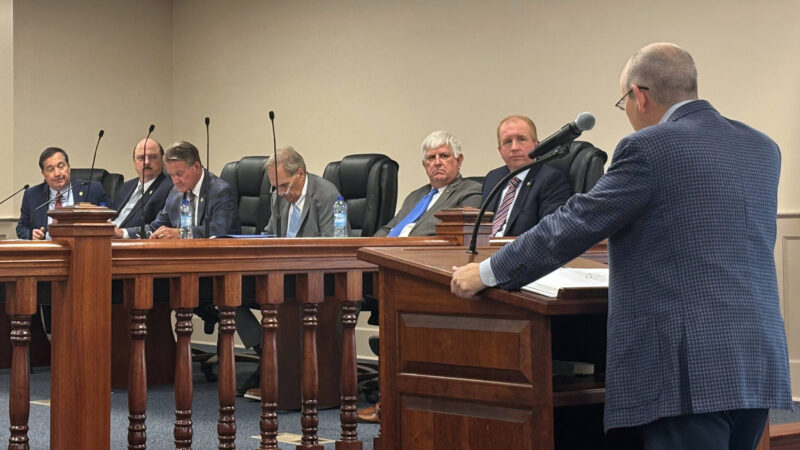
Alabama poised to drastically overhaul utility regulation. Will it lower electric bills?
The Alabama Senate unanimously voted to expand the public service commission, and create a Secretary of Energy to address rising electricity prices. A bill in the House would go even further, requiring rate case hearings and limiting utility profits.
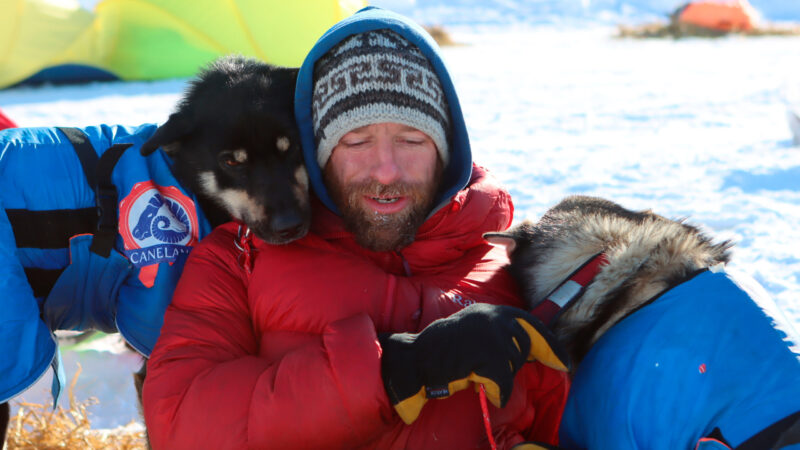
Musher from Alabama is going for back-to-back Iditarod wins
Riches and paid appearances haven’t followed Jessie Holmes since he won the world’s most famous sled dog race, the Iditarod, last year. He doesn't mind.
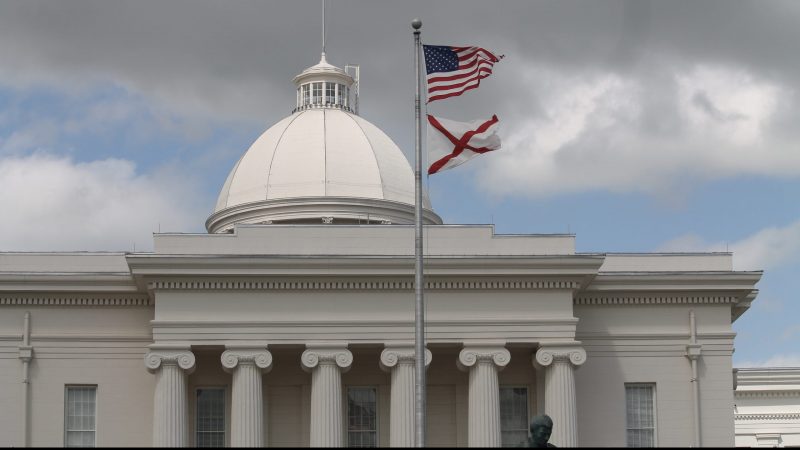
Bill would move Alabama to closed primaries
Right now, any Alabama voter can participate in a primary election. Lawmakers in Montgomery took up a bill this week that would change that system.
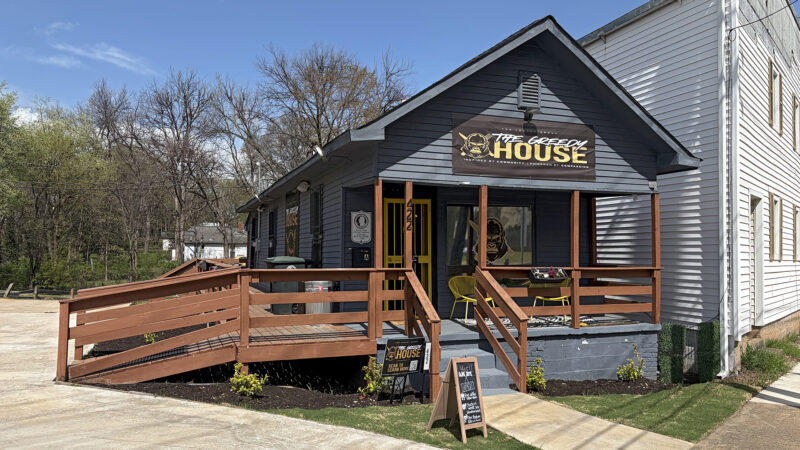
Auburn football player uses NIL funds to open a community hub in Birmingham
Jourdin Crawford, a freshman defensive lineman at Auburn, used earnings from a Name, Image, and Likeness deal to give back to his hometown.
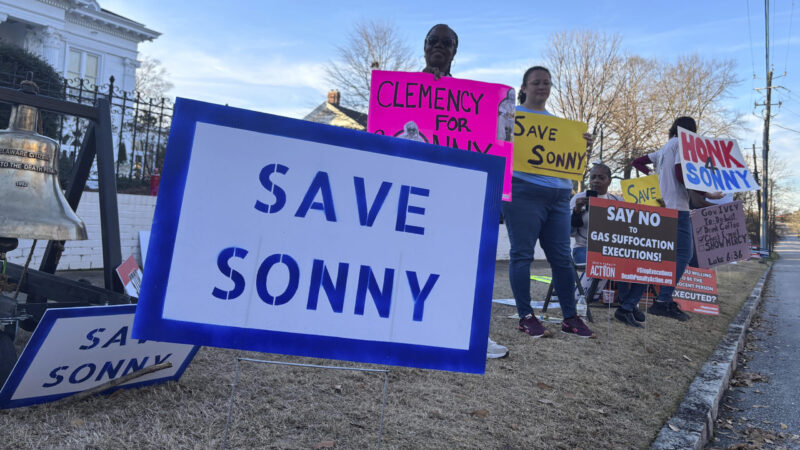
Ivey commutes death sentence of inmate whose accomplice fired fatal shot
Charles “Sonny” Burton was sentenced to death for the killing of Doug Battle during a 1991 robbery. However, another man shot Battle when Burton had left the building.