
Farm Guest Workers
Alabama farmers are wondering where they’ll find workers for next year’s growing season. They say the state’s tough immigration law has driven away much of the migrant labor they rely on. One option is for farmers to hire foreign guest workers. And as WBHM’s Andrew Yeager reports, a number of private companies stand to benefit.
John Aplin’s story has become a familiar one. He runs a fourth-generation family vegetable farm near Slocomb, Alabama. For years, he’s had reliable migrant workers each picking season.
“We’ve had our same crew up until this year for 23 years.”
Aplin says Alabama’s immigration law scared off his legal workers because they may have members of their families who are in the country illegally. He’s negotiating with the workers and trying to get them to come back. But Aplin’s concerned because timing is important for harvesting vegetables.
“So we have to have our labor force set well ahead of time and know that they’re gonna be here.”
Aplin says he’s never had luck hiring Alabamians even though he pays well over minimum wage. He calls the idea of using prison labor a joke. But he is thinking about hiring foreign workers under the federal government’s H-2A visa program.
The idea is fairly simple. Farmers who demonstrate they can’t get qualified American workers can use these visas to bring in temporary foreign workers. But application of the program is a lot more complicated.
“There’s a huge amount of paperwork and process.”
Jonathan Phillips is an agriculture economist at North Carolina State University. Beyond the red tape and fees, farmers have to pay to transport and house the guest workers. That has to meet standards.
“My house would probably fail an H-2A inspection right now, just because I have a busted screen and I have some dirty dishes sitting in my sink.”
Phillips says the program is so cumbersome, some agriculture operations will pay private companies to take care of the paperwork and find laborers. And one farmer says since Alabama’s immigration law went into effect, those companies have been circling the state like buzzards.
“Good morning, everybody. My name is Rodolfo Alvarez.”
Rodolfo Alvarez spoke at a farmers meeting at the Blount County Ag Center back in October. He’s CEO of the Phoenix-based Guest Worker Specialists.
“Currently I have in my database about 3,200 workers with passports ready and it’s just a matter of getting the sponsors to bring them across the border.”
And while using one of these guest worker companies may be more convenient for farmers, it’s not without cost.
“We’re going to charge them about $3,600 for everything that we do at the front end and that’s for whatever number of workers they’re bringing in.”
Kerry Scott is with masLabor H-2A, a Virginia-based company which places agriculture workers around the country. He says his company charges about $7,000 dollars for 10 workers. Some of that goes to government fees.
Scott says when Arizona, Alabama and other states starts passing immigration laws, the company feels it.
“Our phone very quickly starts to ring and requests for information via e-mail obviously ratchets up.”
 He says the law has brought some new business in Arizona and he expects to get a slice of the market in Alabama. But he says it’s not the bonanza you might expect.
“We’re getting lots of inquiries, but they’re not resulting in somebody actually going into the program because the Obama administration is making it awfully difficult to use.”
Jonathan Phillips at North Carolina State agrees. Washington is making the program more expensive and bureaucratic. Phillips says the theory is that makes hiring American workers more attractive. So farmers are caught, he says, between an increasingly cumbersome H-2A visa program and increased immigration enforcement at the national level and in some states.
Alabama farmer John Aplin has been doing the math. The cost of finding workers, housing and transporting them. And by the way, you still have to pay the guest workers and as you can imagine there are regulations on wages.
“It’s a major headache. I mean, it’s a hassle.”
Aplin points out guest workers are exempt from payroll taxes, meaning a loss for federal coffers if he can’t find laborers in this country. Still Aplin says in his case, he could afford to hire guest workers, but he probably won’t. He likely couldn’t get them in place until too late in the season. He doesn’t really know where that leaves his farm.

Crew of fatal US military crash included Alabama father recently deployed
The six U.S. service members who died in the crash of a U.S. military refueling aircraft included an Alabama father who had just been promoted and deployed. The U.S. government released the identities of the deceased service members Saturday.
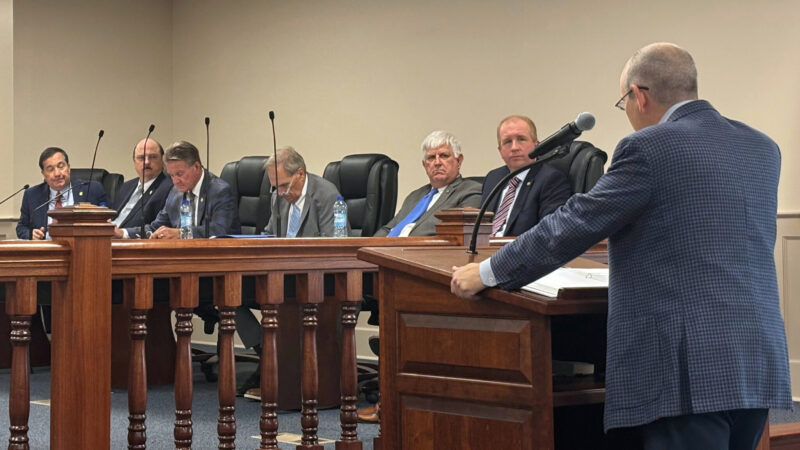
Alabama poised to drastically overhaul utility regulation. Will it lower electric bills?
The Alabama Senate unanimously voted to expand the public service commission, and create a Secretary of Energy to address rising electricity prices. A bill in the House would go even further, requiring rate case hearings and limiting utility profits.

Musher from Alabama is going for back-to-back Iditarod wins
Riches and paid appearances haven’t followed Jessie Holmes since he won the world’s most famous sled dog race, the Iditarod, last year. He doesn't mind.

Bill would move Alabama to closed primaries
Right now, any Alabama voter can participate in a primary election. Lawmakers in Montgomery took up a bill this week that would change that system.
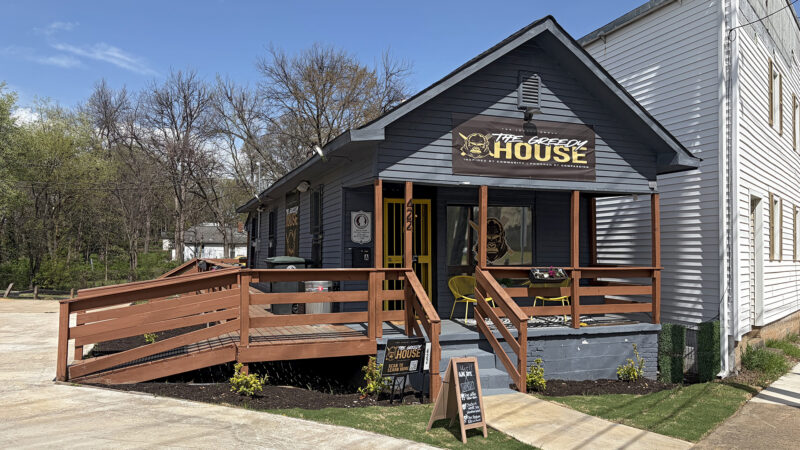
Auburn football player uses NIL funds to open a community hub in Birmingham
Jourdin Crawford, a freshman defensive lineman at Auburn, used earnings from a Name, Image, and Likeness deal to give back to his hometown.
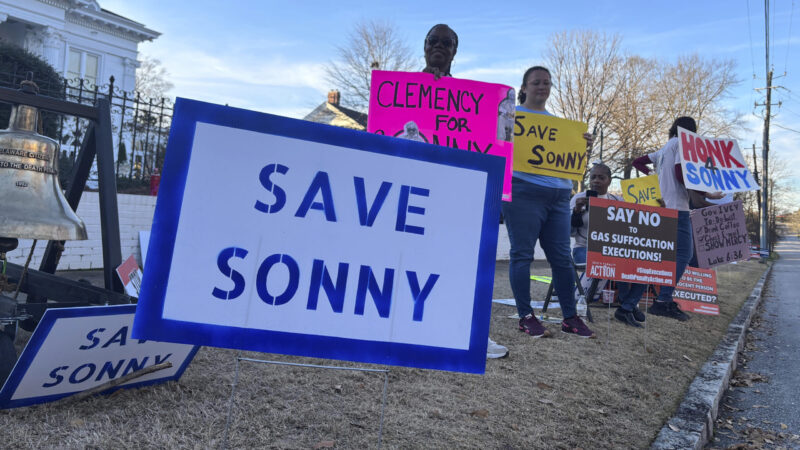
Ivey commutes death sentence of inmate whose accomplice fired fatal shot
Charles “Sonny” Burton was sentenced to death for the killing of Doug Battle during a 1991 robbery. However, another man shot Battle when Burton had left the building.
