
Alabama and the Oil Spill: Marketing Seafood
It’s been almost a year since millions of barrels of oil spilled into the Gulf of Mexico. If you’re still a little leery about eating seafood from the gulf, you’re not alone. One study found about 70% of consumers nationwide are concerned about seafood safety. Almost a quarter have reduced how much they eat. Alabama’s seafood industry says the catch has been tested and is safe. But as WBHM’s Andrew Yeager reports getting that message out isn’t easy.
Chris Nelson knows the seafood industry. He’s vice president of Bon Secour Fisheries. He’s the fourth generation of this family owned operation. Here at the plant in Bon Secour, Alabama, oysters come off trucks, 100 pound sacks at a time.
“We would dump ’em out of this sack through this process washer here, washes that mud and grit off the outside of the oyster.”
The washed oysters tumble along a conveyor belt and drop into boxes for shipping.
Nelson says the company’s oyster sales are down about 60% from before the spill. Shrimp sales still down by half. A turnaround depends on people buying seafood again. Those people may have visions of oil drenched sea life.
“The overall consumer perception of our products is apparently far worse than we ever thought it might be and it has been longer lasting.”
The Alabama Seafood Marketing Commission hopes to change that. Governor Robert Bentley created this new board in March. It was one of many recommendations to come from a coastal recovery commission prompted by the oil spill. We’ll get back to this new office in a moment, but first, convincing a skeptical public of seafood safety takes strategy.
“They should always put the public safety and health first. Otherwise it’ll create backfire.”
Sora Kim is a public relations professor at the University of Florida. She says gulf coast seafood marketers need to offer information to reduce uncertainty. And the information must be transparency. So don’t just cite government regulators giving the “all clear.” Show how the seafood was tested. Show how it’s been determined to be safe. Above all, don’t stage a media stunt.
Kim points to former British Agriculture Minister John Gummer. At the height of fears over mad cow disease in 1990, Gummer publicly ate hamburgers with his 4-year-old daughter. Except those half eaten hamburgers in photographs were actually bitten by a staffer. Kim says Gummer was criticized not just for staging the event, but some thought he put his daughter at risk.
“So the problem was people were not ready for accepting that beef was safe to eat at the time.”
But let’s say we’ve got that credible and transparent message and a receptive public. You’ve still got to get that message out.
Alabama does have an existing seafood promotion organization, albeit very small if you’re thinking of a “Beef, It’s What’s for Dinner” kind of marketing. The Eat Wild Alabama Shrimp campaign has just two full-time employees. Staff and volunteers mostly market shrimp through cooking demonstrations at festivals around the state. The campaign is limited too because it’s industry funded. So when shrimpers’ pocketbooks suffer, the campaign does too.
Drift down to Louisiana and it’s a far different story.
“My name is Ewell Smith.”
He’s the executive director of the Louisiana Seafood Promotion and Marketing Board. That state started the office in 1984. It runs on a one million dollar budget between state and federal monies. Although the office will have 30 million dollars over the next three years from BP. Smith says the oil spill is somewhat familiar territory because seafood sales plummeted after Katrina, Rita and other hurricanes.
“A month following Katrina we got a clean bill of health from EPA, FDA and NOAA on our seafood and our water. But it took us about two years to turn that around.”
Besides a timeline of years for recovery, Bon Secour Fisheries Vice President Chris Nelson makes the point, just what is Alabama seafood?
“If I’ve got a boat that is delivering shrimp for me and it’s home ported out of Louisiana and he catches shrimp off of Texas and he lands them here in Alabama, then where are those shrimp from.”
What’s needed, Nelson says, is a regional campaign. The seeds of that are in the Gulf Seafood Marketing Coalition. The organization just started last month, backed with federal money. It’s tasked with coordinating seafood marketing between the five gulf coast states, the industry, restaurants and retailers. A former member of Florida’s seafood promotion office is leading the coalition, but no specific plans yet.
So turning back to the Alabama Seafood Marketing Commission, it’s in a similar position. The governor created the organization, but no board members yet. No specific plans. But it does mean this; as a post-spill, regional marketing effort kicks off, Alabama now has a direct way to be at the table.

Crew of fatal US military crash included Alabama father recently deployed
The six U.S. service members who died in the crash of a U.S. military refueling aircraft included an Alabama father who had just been promoted and deployed. The U.S. government released the identities of the deceased service members Saturday.
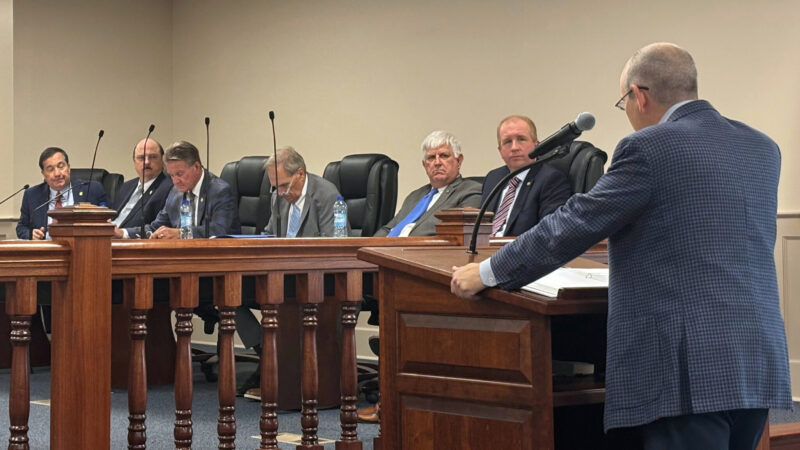
Alabama poised to drastically overhaul utility regulation. Will it lower electric bills?
The Alabama Senate unanimously voted to expand the public service commission, and create a Secretary of Energy to address rising electricity prices. A bill in the House would go even further, requiring rate case hearings and limiting utility profits.
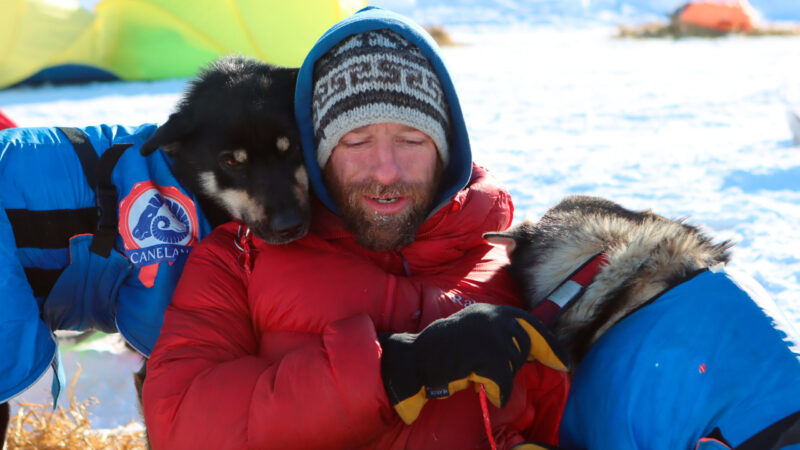
Musher from Alabama is going for back-to-back Iditarod wins
Riches and paid appearances haven’t followed Jessie Holmes since he won the world’s most famous sled dog race, the Iditarod, last year. He doesn't mind.
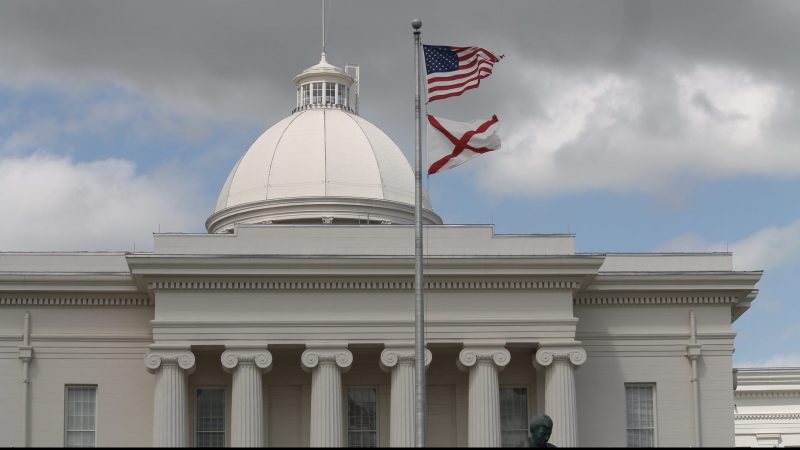
Bill would move Alabama to closed primaries
Right now, any Alabama voter can participate in a primary election. Lawmakers in Montgomery took up a bill this week that would change that system.
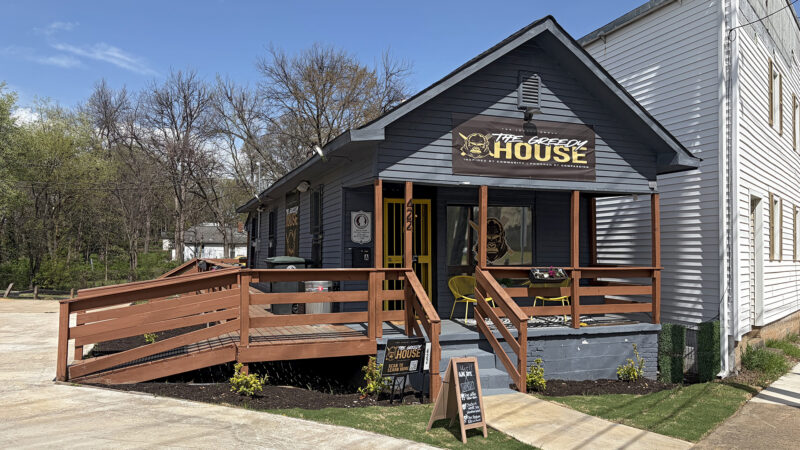
Auburn football player uses NIL funds to open a community hub in Birmingham
Jourdin Crawford, a freshman defensive lineman at Auburn, used earnings from a Name, Image, and Likeness deal to give back to his hometown.
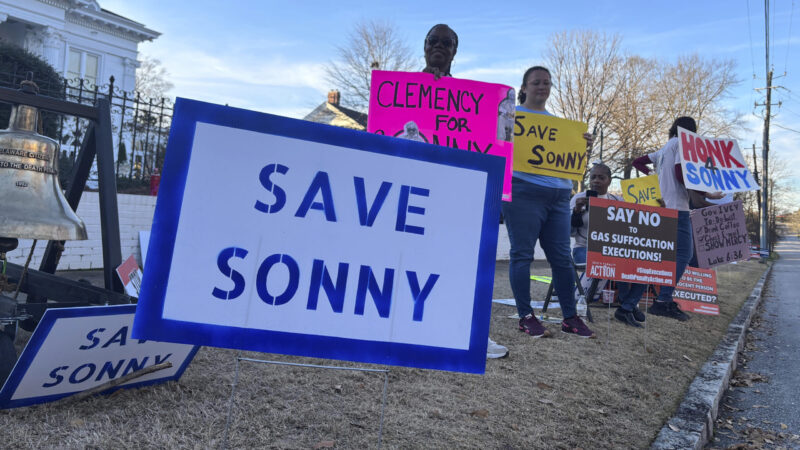
Ivey commutes death sentence of inmate whose accomplice fired fatal shot
Charles “Sonny” Burton was sentenced to death for the killing of Doug Battle during a 1991 robbery. However, another man shot Battle when Burton had left the building.
