
Alabama and the Oil Spill: Tourism Takes a Hit
Federal officials continue to monitor the oil spill in the Gulf of Mexico. The latest projections indicate that, at least for, now the oil seems to be moving away from the Alabama coast. But people who make their living off tourism in the Gulf Shores and Orange Beach areas say it might not matter if oil never hits the state. A lot of damage has already been done. WBHM’s Tanya Ott reports.
Alabama tourism director Lee Sentell has one thing on his mind right now: convincing tourists to come back to Alabama. At a meeting with Gulf Shores and Orange Beach business owners last week, he announced plans to unveil a television advertising campaign.
“It’s going to show buddies together and people having a good time and pulling monster fish into the boat.”
Sentell says the beaches are still as beautiful as they’ve always been. The sand is white, the sky is crystal blue and the water is clean. And if you head down that way you can have the beach almost entirely to yourself.
“We went to a restaurant last night. There probably weren’t five couples in the whole building.”
Kathy Loftin and her husband sit on wooden beach chairs in front of their condo. The make the trek from Springdale, Arkansas to Gulf Shores a couple times a year and hope to retire here eventually. Loftin says her grown children are supposed be coming later this summer, but at this rate, who knows!?
“They’re debating whether to cancel. They’re calling daily to say ‘how’s it going’? and I’m like “it’s good right now.”
Good right now, for tourists who want a little elbow room. But not so good for the people who rent those tourists houses or feed them in restaurants. Up and down Gulf Shores and Orange Beach the story is the same: a flood of cancellations. Dean Young owns two 14 bedroom gulf front homes, each with a private pool. He’d booked several family reunions and weddings for the summer. But many have cancelled.
“I don’t have to wait for a drop of oil hits. It’s already hit in their minds. And if the oil never hits here they’ve already made their cancellations and they already want their money back.”
Young says he’s losing thousands of dollars a day. And it’s not just property owners. Kelly Thrasher’s wife makes a living cleaning rental homes.
“She gets paid per house per week and they’ve just had a lot of cancellations and she’s already missed a weeks worth of work already on people calling and canceling and we’ve had people calling and canceling all the way in through July.”
John Brunick is president of the local restaurant association. He says restaurants make about 80% of their yearly sales from June through August. They already had a bad winter and he’s not sure how they’ll survive a bad summer.
“I’m concerned about what happens to all these single moms that has to pay the rent, has to pay her utilities, etc. and is getting ready for the season to start. What happens to the season?”
“The cash flow for small businesses are very, very important and this is still a very fragile economy.”
Auburn University Montgomery economist Keivan Deravi estimates the potential economic losses in Alabama could reach $2.5 billion. A good chunk of that from lost tourism.
“There will be condo owners that are probably living on the edge and may not be able to pay the condo mortgages. They’ll have to sell. The property value will go down.”
When property values go down so do tax revenues and funding for things like schools. Deravi says people who aren’t getting paid will put off purchases like new cars.
“I mean the impact can be far, far reaching unless we bridge the gap.”
British Petroleum has set up a hotline for business to report losses, but how does a waitress quantify how much she’s lost in tips from customers who never showed up? It’s tricky situation, all the way around.
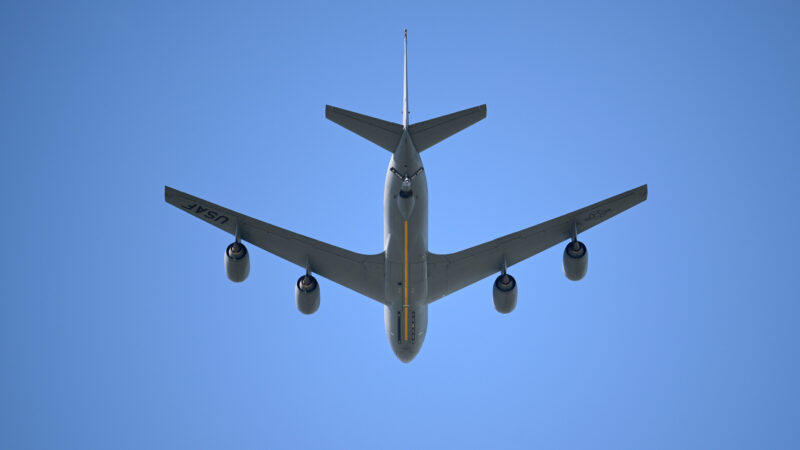
Crew of fatal US military crash included Alabama father recently deployed
The six U.S. service members who died in the crash of a U.S. military refueling aircraft included an Alabama father who had just been promoted and deployed. The U.S. government released the identities of the deceased service members Saturday.
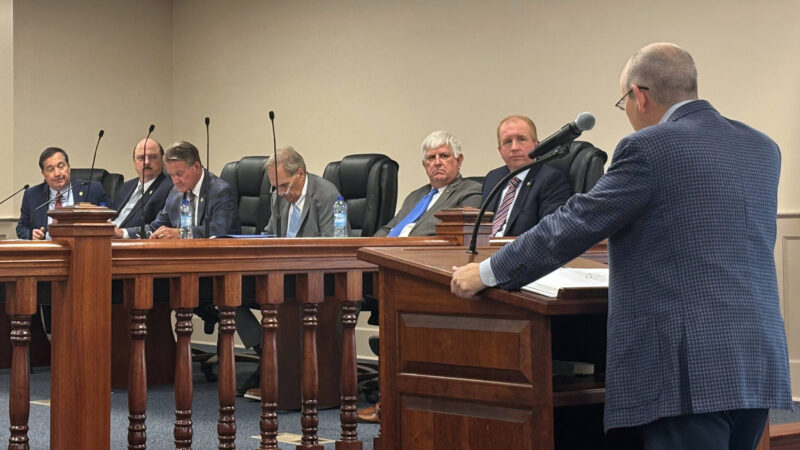
Alabama poised to drastically overhaul utility regulation. Will it lower electric bills?
The Alabama Senate unanimously voted to expand the public service commission, and create a Secretary of Energy to address rising electricity prices. A bill in the House would go even further, requiring rate case hearings and limiting utility profits.
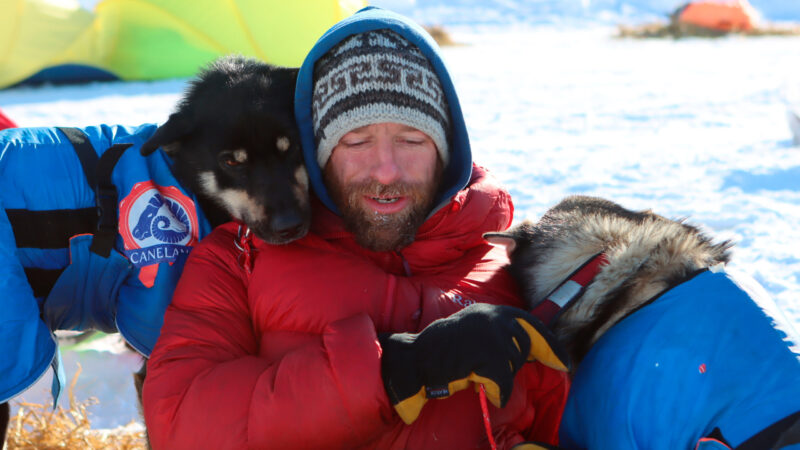
Musher from Alabama is going for back-to-back Iditarod wins
Riches and paid appearances haven’t followed Jessie Holmes since he won the world’s most famous sled dog race, the Iditarod, last year. He doesn't mind.
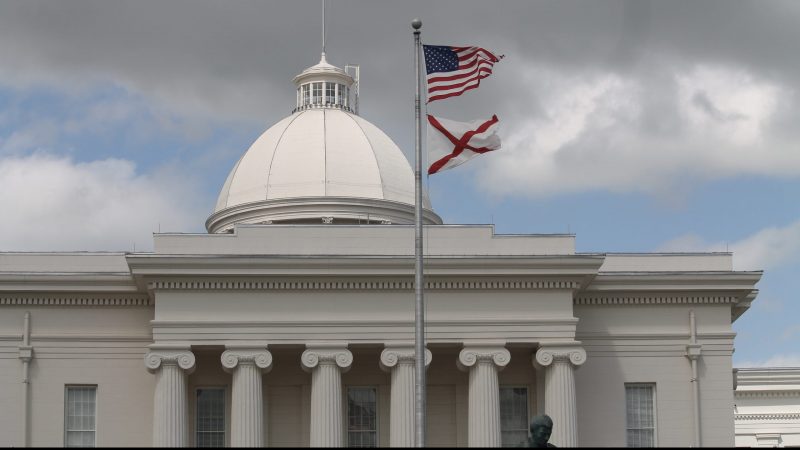
Bill would move Alabama to closed primaries
Right now, any Alabama voter can participate in a primary election. Lawmakers in Montgomery took up a bill this week that would change that system.
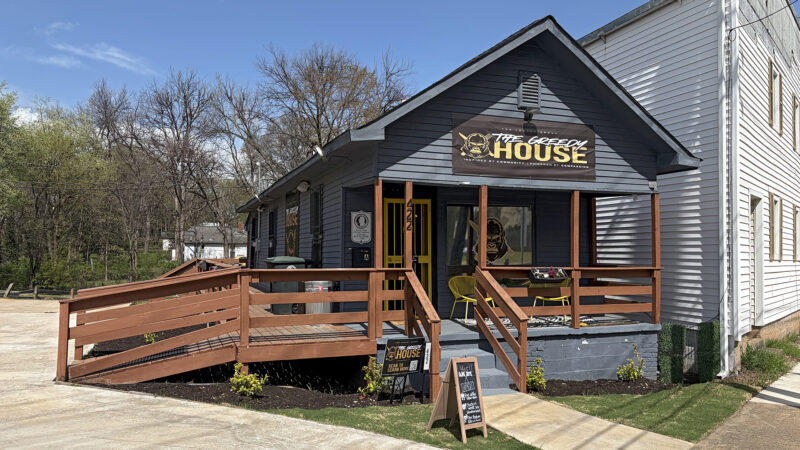
Auburn football player uses NIL funds to open a community hub in Birmingham
Jourdin Crawford, a freshman defensive lineman at Auburn, used earnings from a Name, Image, and Likeness deal to give back to his hometown.
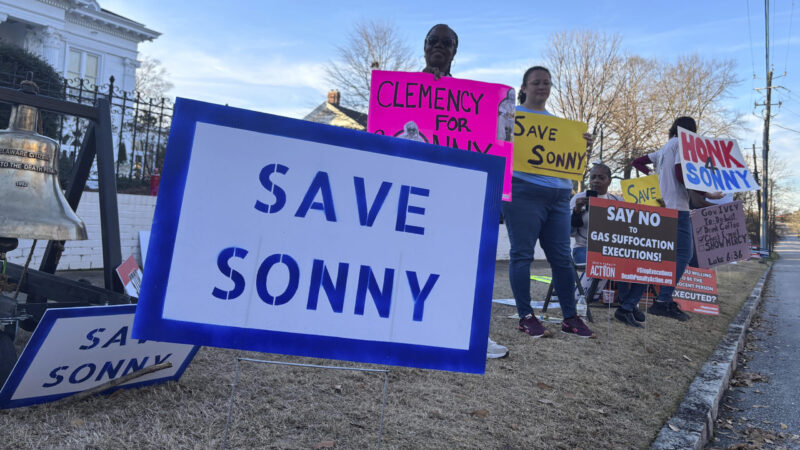
Ivey commutes death sentence of inmate whose accomplice fired fatal shot
Charles “Sonny” Burton was sentenced to death for the killing of Doug Battle during a 1991 robbery. However, another man shot Battle when Burton had left the building.