
Alabama and the Oil Spill: Protecting the Beaches
BP continues to try to stop the flow from the oil leak in the Gulf of
Mexico. Oil has already come ashore in Louisiana. And other coastal
communities are scrambling to prepare. As WBHM’s Tanya Ott reports, volunteers in Alabama are taking some low-tech steps to protect the shore.
Within days of the oil rig explosion, Casi Callaway’s phone started ringing off the hook.
“I have hundreds of volunteers calling every minute.”<?p>
Okay, well maybe not every minute. But Callaway’s group, Mobile Baykeeper, has been very busy organizing volunteers. In the past week more than 7,000 people have flocked to the white sands of the Alabama coast hoping to help.
They’re combing every inch of the shoreline, picking up trash and raking driftwood and sticks into the dunes. Normally they’d let the natural debris stay on the beach. But if it gets coated with oil it becomes hazardous waste and has to be shipped to a local landfill. So volunteers are working round the clock to move the material. Tom Herder is with the Mobile Bay Estuary Program. He says they have to be careful because this is nesting season for wading birds like Plovers and Terns.
“You know we were the dumb transgressors the first day. I was throwing stuff in the dunes. And we were just moving stuff up and I wasn’t looking for Plover nests and the Audobon Society kinda got on my case. And it’s good, they educated us. And we’re educating our volunteers.”
They’ve been training volunteers on how to remove debris without disturbing wildlife. But Herder says the clock is ticking and there’s still lots of work to do. So they’re balancing the need to protect wildlife with the need to get the beaches ready. Herder says to do that they’ve been bending the rules a little bit.
“People have to be 18 years old to take part in our volunteer efforts. Shoot! That’s not necessarily the way people do things here. And we tell people, if you live on the Western shore of Mobile Bay don’t wait for us. Get down there and clean it up yourself. You know. And that’s not rogue.”
While volunteers work to get the beaches ready for oil, BP says it’s working to keep the oil from reaching the shore. It’s using what are called chemical dispersants – basically it’s industrial detergent – to break up the oil deep under the surface. But critics say the chemicals could kill off the larvae of fish that use the Gulf of Mexico for spawning grounds. Fish like the Atlantic bluefin tuna. It could also hurt oysters and mussels. But BP’s Steve Rinehart says there’s always a tradeoff.
“Nobody wants an oil spill. We have an oil spill. You need to make judgments about limiting the damager where you can.”
Rinehart says a group of state and federal spill responders, including environmental scientists, has determined that dispersants pose the least risk.
“If the choice is oil going to shore or using dispersant off shore, using dispersant off shore causes less environmental impact. That’s not to say there won’t be some, but it’s less harmful to the environment than having the oil go to shore.”
So basically, it could be an “either/or”: protect the beach with dispersants and you might risk the fish. Tom Herder, with the Estuary Program, says it’s a no-win situation.
“I’ve almost been making deals with God. And I can’t bribe God, but he knows I’ll follow through.”
Right now, Herder’s just praying for good weather and more time to get the Alabama coast prepared.

Crew of fatal US military crash included Alabama father recently deployed
The six U.S. service members who died in the crash of a U.S. military refueling aircraft included an Alabama father who had just been promoted and deployed. The U.S. government released the identities of the deceased service members Saturday.
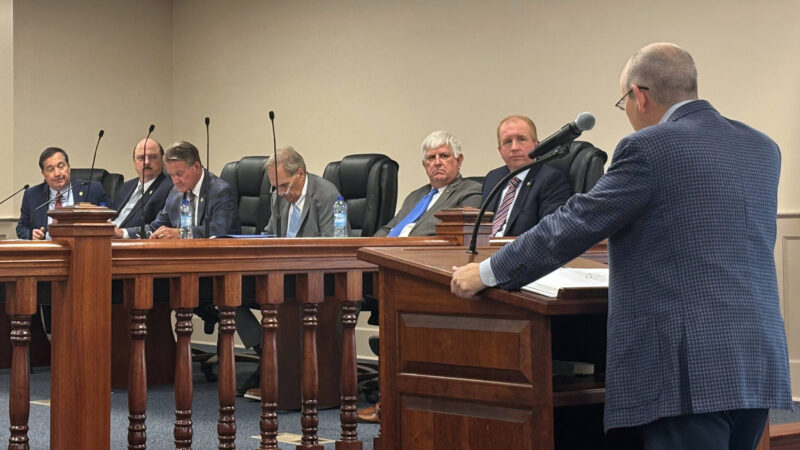
Alabama poised to drastically overhaul utility regulation. Will it lower electric bills?
The Alabama Senate unanimously voted to expand the public service commission, and create a Secretary of Energy to address rising electricity prices. A bill in the House would go even further, requiring rate case hearings and limiting utility profits.
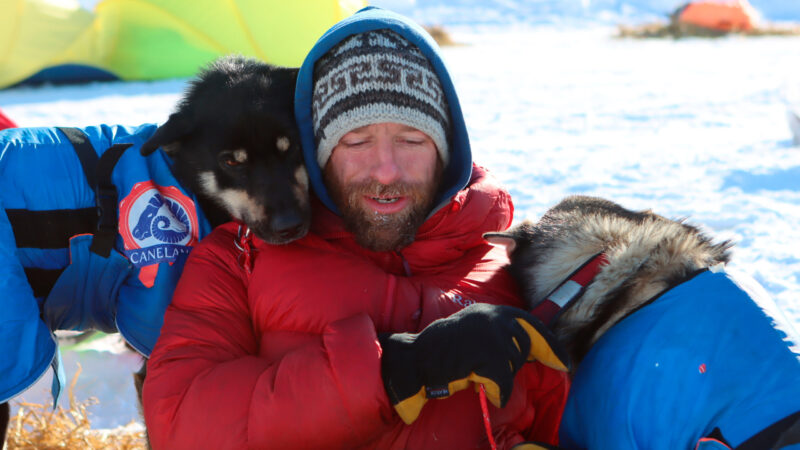
Musher from Alabama is going for back-to-back Iditarod wins
Riches and paid appearances haven’t followed Jessie Holmes since he won the world’s most famous sled dog race, the Iditarod, last year. He doesn't mind.
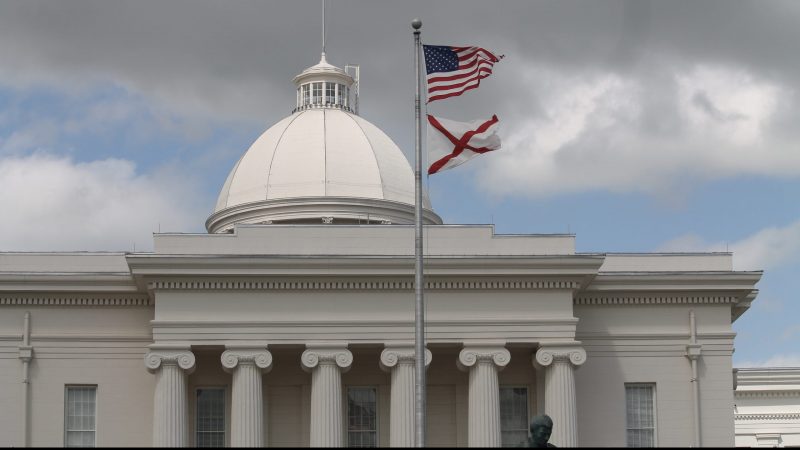
Bill would move Alabama to closed primaries
Right now, any Alabama voter can participate in a primary election. Lawmakers in Montgomery took up a bill this week that would change that system.
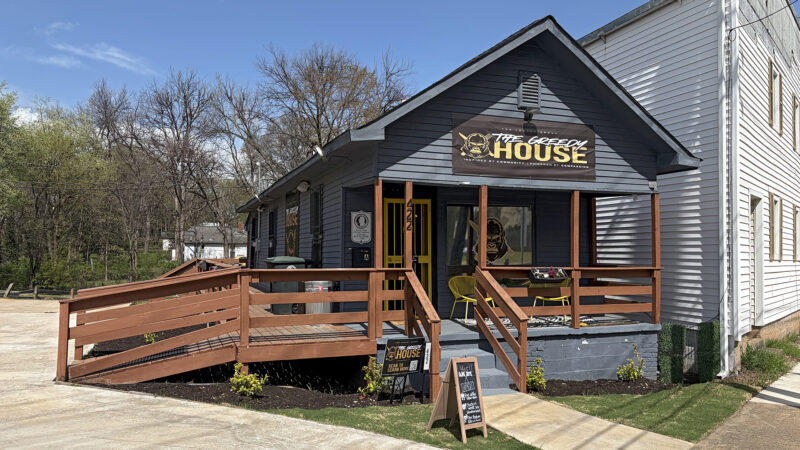
Auburn football player uses NIL funds to open a community hub in Birmingham
Jourdin Crawford, a freshman defensive lineman at Auburn, used earnings from a Name, Image, and Likeness deal to give back to his hometown.
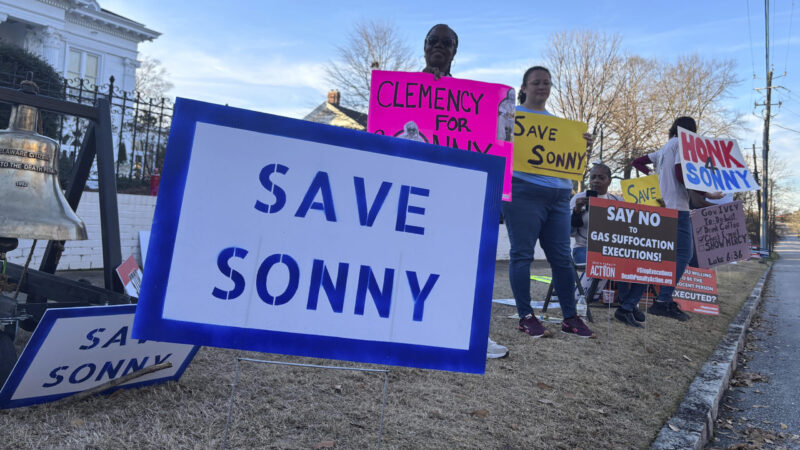
Ivey commutes death sentence of inmate whose accomplice fired fatal shot
Charles “Sonny” Burton was sentenced to death for the killing of Doug Battle during a 1991 robbery. However, another man shot Battle when Burton had left the building.