
Tide Flu
It’s fall in Alabama, which means tens of thousands of fans streaming onto college campuses each week to back their football favorites on the gridiron. There’s an unwelcome visitor to campuses though – the new H1N1 flu virus. The swine flu has appeared among college students across the country, but is particularly widespread in the southeast. That poses concerns for team officials trying to keep football players on the field and out of bed. It could also affect the bottom line. WBHM’s Andrew Yeager reports.
An athletic trainer at the University of Alabama helps a student athlete through a pull-up exercise. They move around the weight room using free weights and machines. It’s a place which raises concerns for football team doctor Jimmy Robinson.
“You have a large group of people in a small area. That’s the biggest thing whether it’s the locker or in the weight room, the dinning hall or the meeting rooms.”
Robinson says these are ideal places for swine flu to spread. And when the new H1N1 virus began grabbing headlines back in the spring, officials went on the lookout.
“So the biggest thing we knew is it was coming and we didn’t know how many we’re going to see and what we were going to do when we did see them.”
Since then, swine flu has crept into college football. There are no confirmed cases on UAB or Auburn’s teams, but Robinson says four Alabama players were diagnosed with swine flu. And across town in Tuscaloosa, Stillman College cancelled its home opener after almost 40 players came down with flu-like symptoms. Sports Economist Andrew Zimbalist says canceling a game at a small, division three school such as Stillman is less problematic than at a division one program. There’s more at stake for big universities.
“For the schools themselves they can generate in ticket sales millions of dollars in each game. And then they have television contracts. They have television contracts that can also generate millions of dollars or the equivalent of that per game.”
Beyond that, Zimbalist points out if a season is interrupted by cancellations, it could affect perceptions of teams making it to post-season play.
“That becomes tainted if one of the contending teams misses a game or two because of a swine flu epidemic.”
Dr. Jimmy Robinson doesn’t expect cancelled games to happen to the Crimson Tide. He says they’re encouraging frequent hand washing, good hygiene and watching for flu-like symptoms.
“Any athlete that we though had the flu course we tested them and then isolated them from the rest of the team so we would limit the possibility of spread.”
But they can’t control for everything. Robinson says he’s concerned about players picking up the virus away from athletic facilities where other students may not be as diligent. And remember the large groups of people in close quarters? Sounds like game day in the stands. So if you’re sick, stay away Robinson says.
“Make sure somebody’s in your seat. [laugh] But don’t come to the game.”
At the Crimson Cafe restaurant, the lunch crowd munches on wraps and fries, with a large picture of Bryant-Denny Stadium stretched along the back wall. Graduate student Melissa Reynolds says despite her devotion to the team, she would stay home if she were sick.
“I’ve had the regular flu before, not swine flu and I know how bad that makes me
feel and I cannot imagine getting myself of bed to go to a football game with the
flu.”
But for student Elmer Stout, he says he would go sick if it were a big game.
“I would definitely go to the Ole’ Miss game because we’re playing at Ole’ Miss and odds are I would infect some Ole’ Miss members. As long as I could infect more Ole’ Miss students than Alabama students, I’ve done my part.”
Okay, he’s being facetious. But Stout says swine flu doesn’t really bother him. University officials though are watching as the season progresses. With caution the name of the game right now.
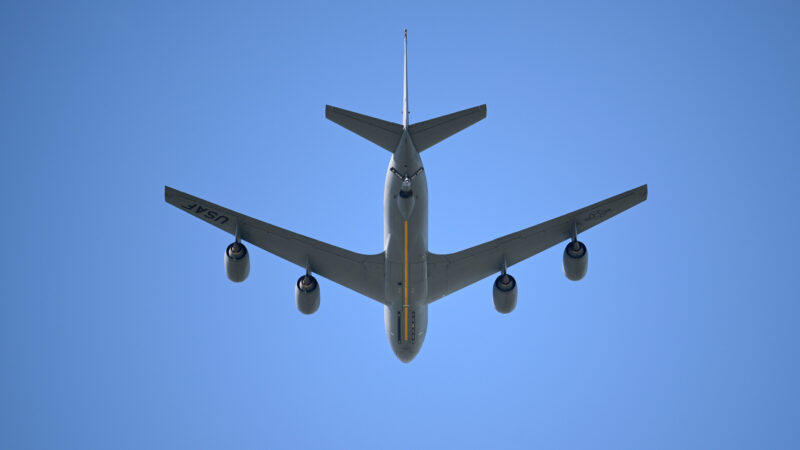
Crew of fatal US military crash included Alabama father recently deployed
The six U.S. service members who died in the crash of a U.S. military refueling aircraft included an Alabama father who had just been promoted and deployed. The U.S. government released the identities of the deceased service members Saturday.
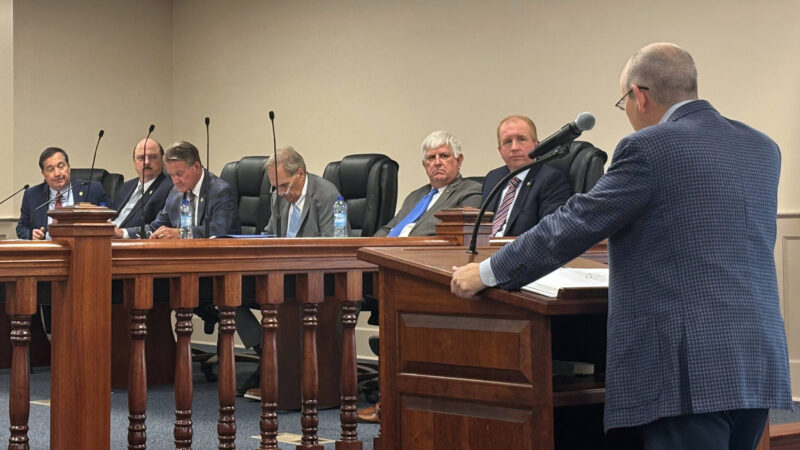
Alabama poised to drastically overhaul utility regulation. Will it lower electric bills?
The Alabama Senate unanimously voted to expand the public service commission, and create a Secretary of Energy to address rising electricity prices. A bill in the House would go even further, requiring rate case hearings and limiting utility profits.
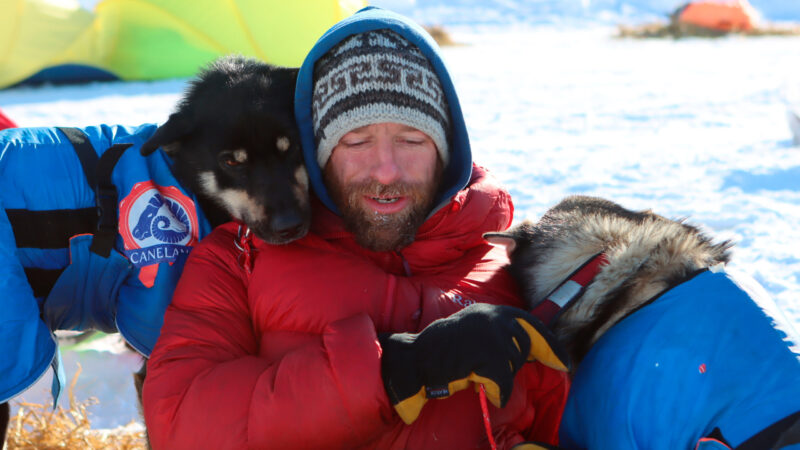
Musher from Alabama is going for back-to-back Iditarod wins
Riches and paid appearances haven’t followed Jessie Holmes since he won the world’s most famous sled dog race, the Iditarod, last year. He doesn't mind.
Bill would move Alabama to closed primaries
Right now, any Alabama voter can participate in a primary election. Lawmakers in Montgomery took up a bill this week that would change that system.
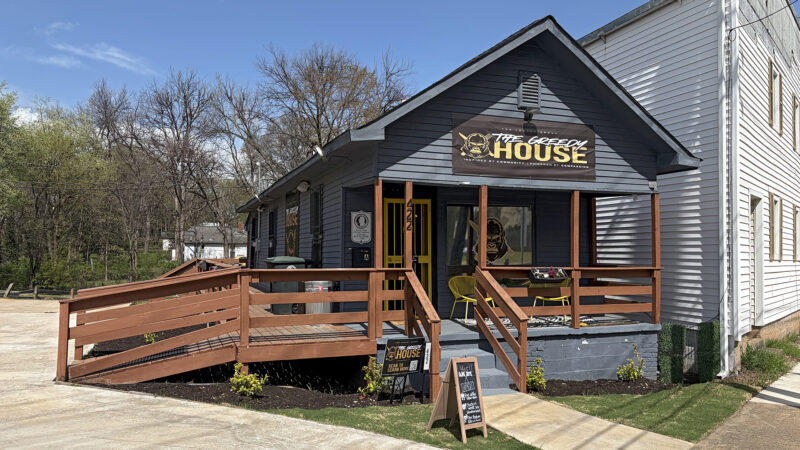
Auburn football player uses NIL funds to open a community hub in Birmingham
Jourdin Crawford, a freshman defensive lineman at Auburn, used earnings from a Name, Image, and Likeness deal to give back to his hometown.
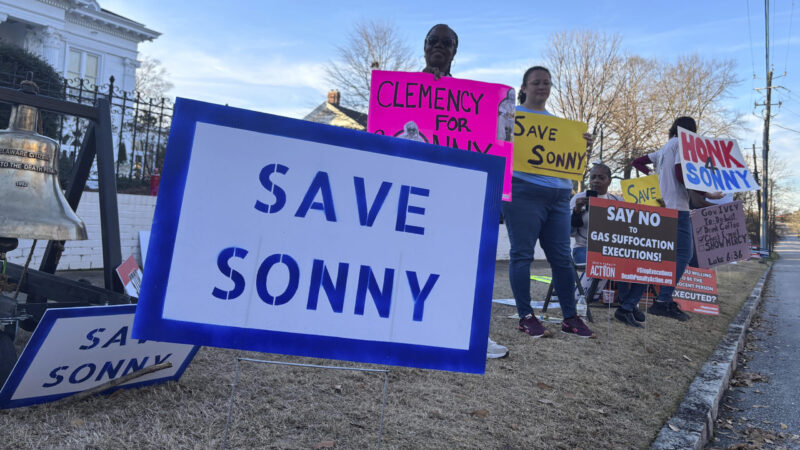
Ivey commutes death sentence of inmate whose accomplice fired fatal shot
Charles “Sonny” Burton was sentenced to death for the killing of Doug Battle during a 1991 robbery. However, another man shot Battle when Burton had left the building.