
New Lead Laws Affect 2nd Hand Clothing Stores
Warning: This story takes more turns than a game of Twister. When Congress passed the law, which caps lead levels and other potentially dangerous substances, it said manufacturers must certify their products are safe. And not just toys, but clothes, books, blankets, you name it. That sent manufacturers, retailers, public libraries, even Ebay sellers scrambling because they’re liable if they sell tainted products. To ease concerns, the agency that will enforce the law said some products might be exempt. Or maybe not. All this confuses consumer Kathleen Lawrence.
Lawrence sits on the floor of her Birmingham-area home playing dolls with her daughters. The doll’s dress is secondhand, like most of the girls’ clothes.
“I would rather spend my money on other things: a vacation. It’s just, they don’t wear them that long. And I like them to look nice and I can’t afford the name brands.”
Lawrence worries the new law will make it harder to find good used clothes. And she’s not alone. Across the country thousands of resale shop owners say the law will hurt their cash-strapped customers and possibly put them out of business.
“Do we need to close our doors? Are we not going to be able to take clothes in?”
Karol Leggett of Kidz Closet Consignment in Vestavia Hills just doesn’t know. So she’s making changes.
She pulls out a blue shirt with glittering, silver rhinestones. Faced with the possibility of a $100,000 fine, Leggett will no longer accept anything that might contain lead.
“We have been getting thousands of contacts at the agency through emails, through phone calls, through visits of people pleading with us.”
“Our hands are tied very tightly and even if we could wiggle our fingers we can’t make the magic happen here in the timeframe that has been set up by the legislation.”
Last week, the Commission created a little wiggle room and issued a one year stay on testing and enforcement requirements. But the reprieve doesn’t exempt stores. Garment industry consultant Kathleen Fasanella says starting Tuesday it’s illegal to sell untested items.
“Basically, all of these products, millions and millions of dollars in products are just going to have to be destroyed. And that will bury any company.”
In a survey of children’s product manufacturers, 70% said the law would put them out of business.
Back on her living room floor, Kathleen Lawrence is banking on entrepreneurial spirit.
“Surely somebody’s going to start a little business of their own – a clothes swap. People find ways to meet their needs. We’ll go on the black market for our kids clothes.”
It might not come to that. This week, South Carolina Republican Senator Jim DeMint introduced legislation to exempt thrift stores, yard sales and consignment shops. If passed, stores wouldn’t have to throw out millions of dollars of their existing product.
Hear from one children’s advocacy group which supports the legislation.

Crew of fatal US military crash included Alabama father recently deployed
The six U.S. service members who died in the crash of a U.S. military refueling aircraft included an Alabama father who had just been promoted and deployed. The U.S. government released the identities of the deceased service members Saturday.
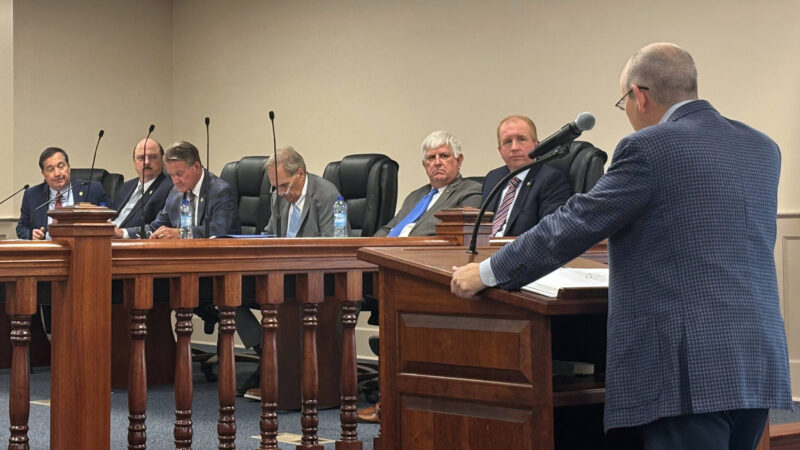
Alabama poised to drastically overhaul utility regulation. Will it lower electric bills?
The Alabama Senate unanimously voted to expand the public service commission, and create a Secretary of Energy to address rising electricity prices. A bill in the House would go even further, requiring rate case hearings and limiting utility profits.
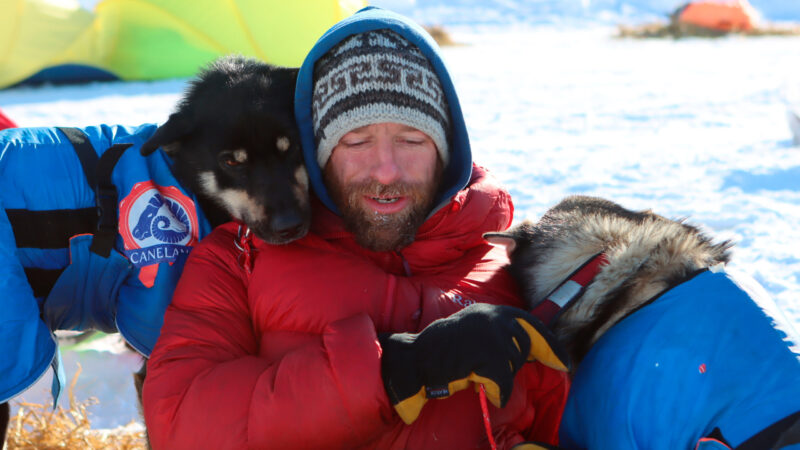
Musher from Alabama is going for back-to-back Iditarod wins
Riches and paid appearances haven’t followed Jessie Holmes since he won the world’s most famous sled dog race, the Iditarod, last year. He doesn't mind.
Bill would move Alabama to closed primaries
Right now, any Alabama voter can participate in a primary election. Lawmakers in Montgomery took up a bill this week that would change that system.
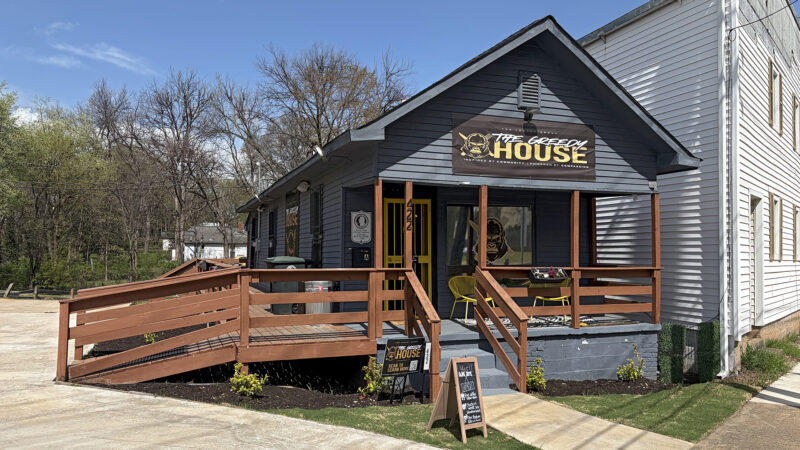
Auburn football player uses NIL funds to open a community hub in Birmingham
Jourdin Crawford, a freshman defensive lineman at Auburn, used earnings from a Name, Image, and Likeness deal to give back to his hometown.
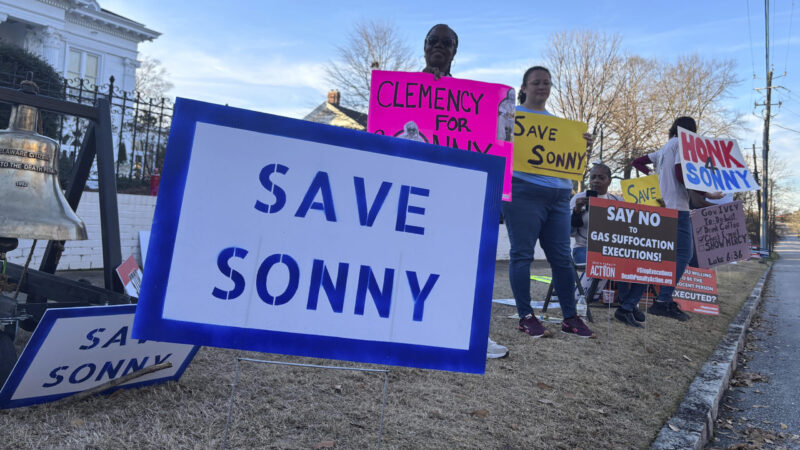
Ivey commutes death sentence of inmate whose accomplice fired fatal shot
Charles “Sonny” Burton was sentenced to death for the killing of Doug Battle during a 1991 robbery. However, another man shot Battle when Burton had left the building.