
College Fight Songs
Scott Clayton has a nightmare:
“Sometimes you’ll get some crazy people that’ll come in here and decide they want to push them all at the same time so it kinda sounds like a swarm of bees is going throughout the whole store. It makes you just want to, your head explode sometimes!”
Clayton manages Bama Fever/Tiger Pride, a school spirit shop in Birmingham, where you can buy everything from bottle openers to pet toys imbedded with microchips that play the fight songs for the University of Alabama and Auburn University. It got so bad, Clayton resorted to moving most musical items behind the sales counter.
“So that way they have to ask us if they want it.”
And boy do they want it, to the tune of $100,000 a year. That’s what Manhattan-based music publisher Carlin America makes on fight songs. Carlin bought the rights to more than 100 such songs when it acquired another publishing company in 1999.
“At the time it was a pretty sleepy catalogue with which not much had been done.”
But the market woke up, says Carlin president Caroline Beinstock, thanks to sports video games and cell phone ring tones.
“That’s always the hope, is that you unearth a jewel that turns out to be valuable to you.”
The fight songs in that catalog may have been Carlin’s diamond in the rough. But they’re useless to the schools like Alabama and Auburn, neither of which sees a penny in revenue from sales of these musical tchotchkes.
Auburn’s got the rest of the trinket market locked up. Susan Smith is Auburn’s school’s licensing director. She wades through an office packed with orange and blue stuff. The school makes more than $2 million a year licensing everything from barbecues to Christmas ornaments. But it missed the chance to cash in on its fight song back in the 50s. That’s when a loyal alumni commissioned a New York songwriting team.
“He paid for the song to be produced and he made an assumption apparently that it was his. But back then you didn’t think about having to have any attorney to sign off on everything you did.”
In fact, the songwriters retained the rights. They then sold the rights on to a music publisher. 50 years later, Carlin America bought them. Again, Carlin America’s Caroline Beinstock.
“It has to be remembered that for the sake of the writer, the opportunity to earn money from the use of their composition is really what they’re doing it for. And I doubt that the composer felt that there was unfairness associated with this, in fact they were all in favor of having it be represented professionally.”
Everything is fair game for those composers’ work these days. Door bells, car horns, even toilet seats! They’re all singing college songs. And generating lots of money. A good reason for schools to fight, fight, fight to hold on to their song rights.

Crew of fatal US military crash included Alabama father recently deployed
The six U.S. service members who died in the crash of a U.S. military refueling aircraft included an Alabama father who had just been promoted and deployed. The U.S. government released the identities of the deceased service members Saturday.
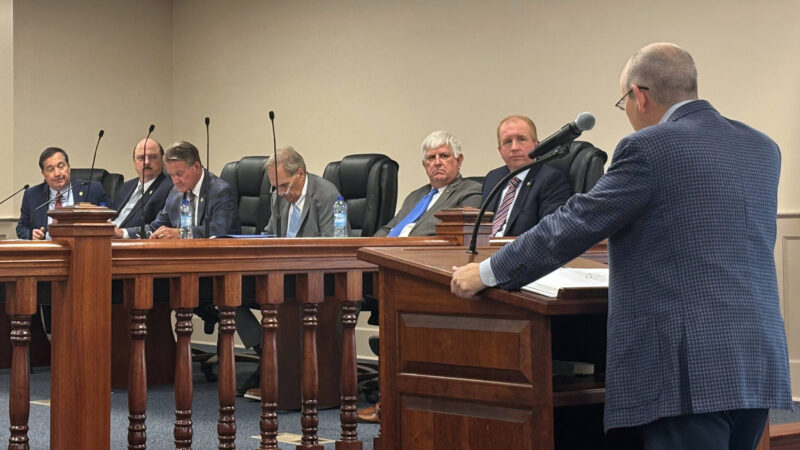
Alabama poised to drastically overhaul utility regulation. Will it lower electric bills?
The Alabama Senate unanimously voted to expand the public service commission, and create a Secretary of Energy to address rising electricity prices. A bill in the House would go even further, requiring rate case hearings and limiting utility profits.

Musher from Alabama is going for back-to-back Iditarod wins
Riches and paid appearances haven’t followed Jessie Holmes since he won the world’s most famous sled dog race, the Iditarod, last year. He doesn't mind.
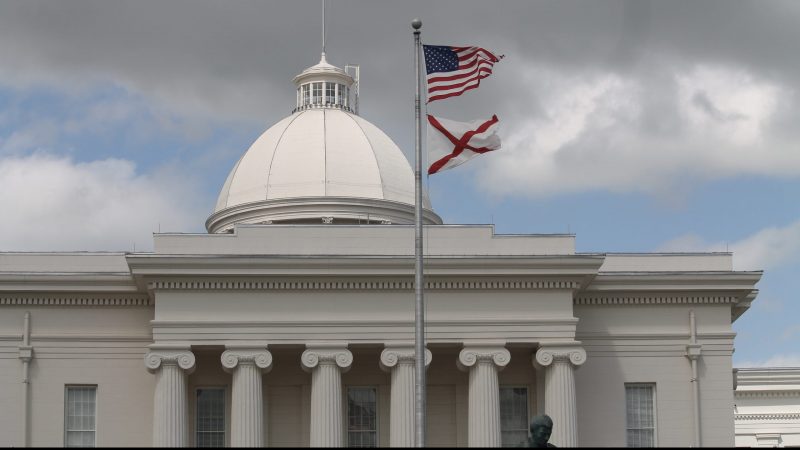
Bill would move Alabama to closed primaries
Right now, any Alabama voter can participate in a primary election. Lawmakers in Montgomery took up a bill this week that would change that system.

Auburn football player uses NIL funds to open a community hub in Birmingham
Jourdin Crawford, a freshman defensive lineman at Auburn, used earnings from a Name, Image, and Likeness deal to give back to his hometown.
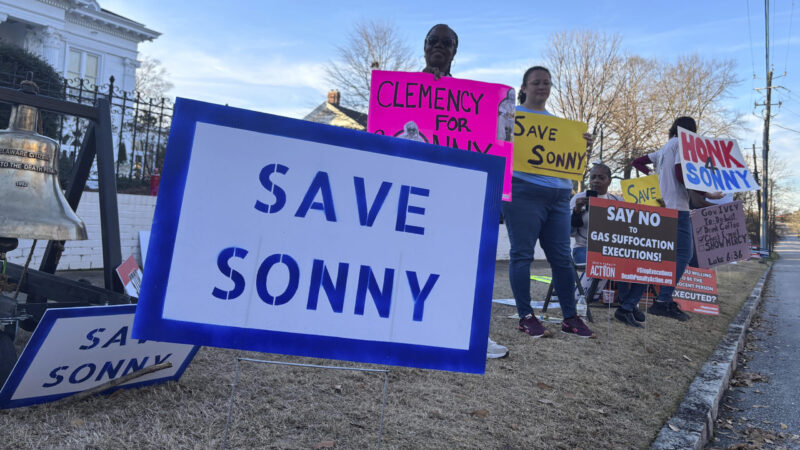
Ivey commutes death sentence of inmate whose accomplice fired fatal shot
Charles “Sonny” Burton was sentenced to death for the killing of Doug Battle during a 1991 robbery. However, another man shot Battle when Burton had left the building.