
Alabama Appalachian Trail
“He could’ve used it twenty years ago when he and a buddy hiked the Appalachian Trail, or A-T as it’s known. It was an arduous two-thousand mile trek.
“There were days where it was more work than it was fun. You had to get up every morning, put on that pack and get the job done.”
It was remembering that five-and-a-half-month hike and being curious about nature from his days in the Boy Scouts that got Lein involved in state conservation. Ultimately, he would help others piece together the Alabama land that now connects to the A-T.
Outdoor tourism officials and state boosters like Stewart Dansby say that’s a no-brainer.
“Most people in the country don’t know much about geography. People need to know the Appalachian Mountains end in north-central Alabama.”
That effort began recently at Mt. Cheaha.
Workers gingerly placed a massive granite and limestone boulder and plaque that commemorate the completion of the Pinhoti Trail. At a dedication ceremony, attorney Mike Leonard – whose idea spans twenty-five years – said the pathway is a window to and for the world.
“I believe in the state of Alabama; I believe in the beauty of this state. And I believe that it is something that the rest of the country needs to know about, they need to appreciate.”
It was the conservationist Benton MacKaye who, in 1921, envisioned the Appalachian Trail as a refuge from the urban environs of the east coast. And now, the Alabama Pinhoti meanders 115-miles to the Georgia border – and ultimately, to Springer Mountain, the original southern endpoint of the A-T in Georgia.
Tom Cosby with the Birmingham Regional Chamber of Commerce says the original northern endpoint was in New Hampshire, but was officially extended. The same, he says, could happen in Alabama.
“Our hope is, with time – I don’t know, 5 years, 10 years, 20 years – at some point perhaps the Appalachian Trail Conference would say, ‘well you know, so many people hike the entire length of the Appalachians. And they don’t end at Springer Mountain, they actually end in Alabama, why don’t we sanction it and say that the Appalachian Trail ends in Alabama?”
Cosby says state officials haven’t officially asked for the trail to be extended into Alabama, but they hope it will become sort of a de facto end and eventually be recognized.
For their part, Georgia officials at a state park near Springer Mountain say they have no position on the Alabama plan – which could siphon people and tourist dollars away.
The Appalachian Trail Conservancy has also not taken an official stand. But Executive Director David Startzell says such a move would require an act of Congress.
“It would have to be an amendment to the National Trails System Act, which provides, a, you know, fairly general description of the route of the trail. But, you know, it’s detailed enough, that clearly an extension into Alabama wouldn’t fit the current definition.”
The National Trails System Act of 1968 places both endpoints at Mount Katahdin, Maine, and Springer Mountain, Georgia. So the wording would have to be changed. Regardless, the Alabama Pinhoti is there for the hiking. No matter what it’s called, it is an uninterrupted path all the way to Maine.
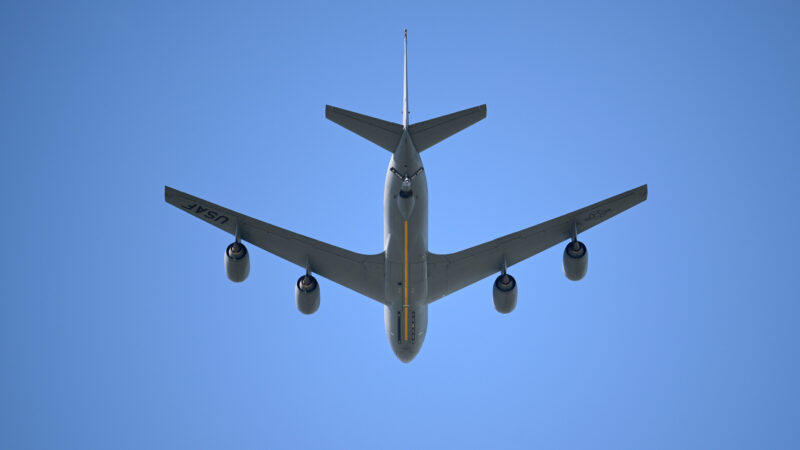
Crew of fatal US military crash included Alabama father recently deployed
The six U.S. service members who died in the crash of a U.S. military refueling aircraft included an Alabama father who had just been promoted and deployed. The U.S. government released the identities of the deceased service members Saturday.
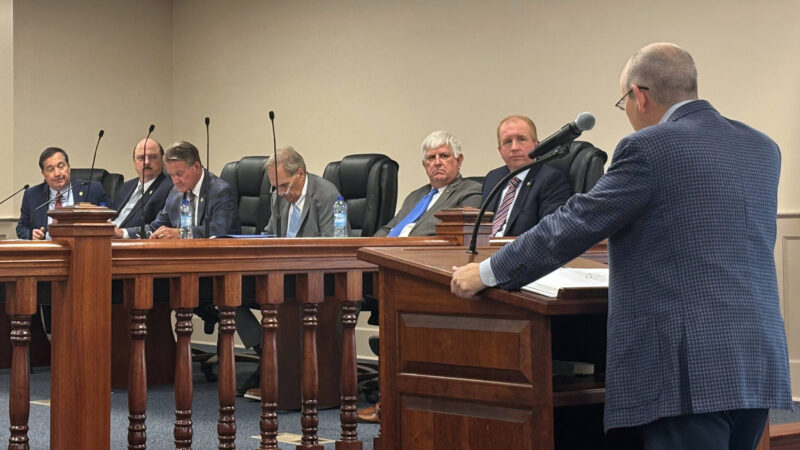
Alabama poised to drastically overhaul utility regulation. Will it lower electric bills?
The Alabama Senate unanimously voted to expand the public service commission, and create a Secretary of Energy to address rising electricity prices. A bill in the House would go even further, requiring rate case hearings and limiting utility profits.
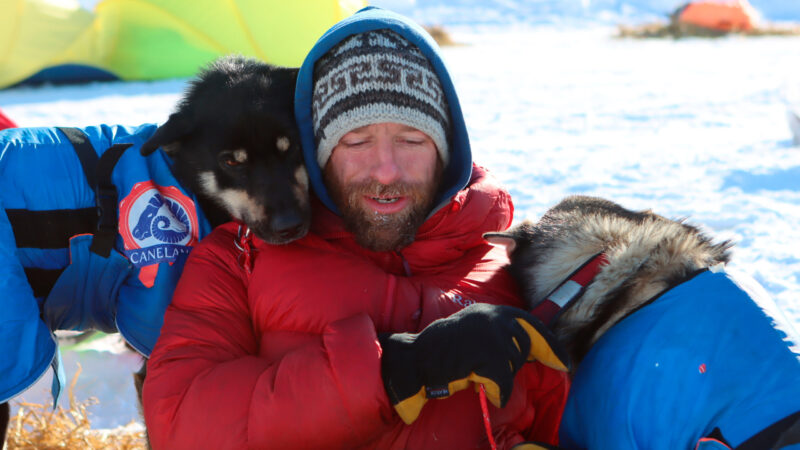
Musher from Alabama is going for back-to-back Iditarod wins
Riches and paid appearances haven’t followed Jessie Holmes since he won the world’s most famous sled dog race, the Iditarod, last year. He doesn't mind.
Bill would move Alabama to closed primaries
Right now, any Alabama voter can participate in a primary election. Lawmakers in Montgomery took up a bill this week that would change that system.
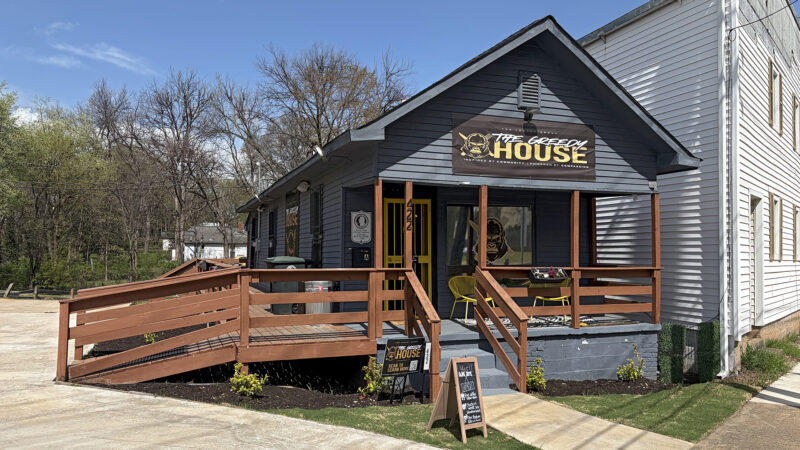
Auburn football player uses NIL funds to open a community hub in Birmingham
Jourdin Crawford, a freshman defensive lineman at Auburn, used earnings from a Name, Image, and Likeness deal to give back to his hometown.
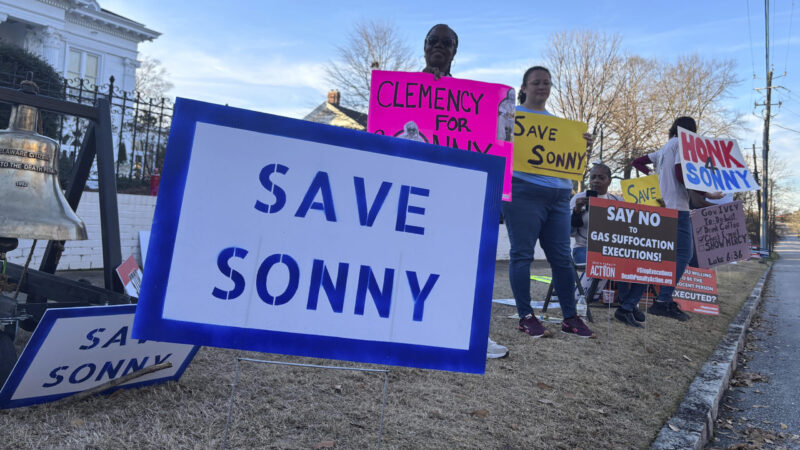
Ivey commutes death sentence of inmate whose accomplice fired fatal shot
Charles “Sonny” Burton was sentenced to death for the killing of Doug Battle during a 1991 robbery. However, another man shot Battle when Burton had left the building.