
Black Farmer Lawsuit Update
Tractor motors and irrigation systems dominate the conversation at the Central Alabama Farmers Co-op in Selma, but farmers here, especially black farmers, are also keeping close tabs on the discrimination lawsuit against the U.S. Department of Agriculture. Farmers alleged that the agency routinely denied them loans and other technical assistance offered to white farmers. In 1999 the government settled for $2.3 billion. But now, it turns out one of the Department of Justice lawyers defending the USDA wasn’t an attorney afterall. Arianne Callendar is general counsel with the Environmental Working Group, a vocal critic of the USDA and Justice Department’s handling of the Black Farmer lawsuit.
“Our contention is that those farmers should have an opportunity to at least have their cases re-reviewed because they made their decisions based on a misrepresentation by DOJ that this woman was actually licensed to make decisions in the case and practice law.”
The woman in question, Margaret O’Shea, handled only a small number of cases in her six months with DOJ, maybe only a handful. But Callendar says those farmers settled before going to trial.
“The amount of damages that a farmer can receive is only limited by what he can prove and the case goes back through 20 years of discriminatory action and I think the highest award was 4-million dollars. So it’s very high stakes here.”
But there’s one problem, says Central Michigan University law professor Ted Bolema.
“Usually when you hear about a case that involves someone complaining about an attorney being unlicensed they’re complaining about their own attorney, not their opponent’s attorney.”
Bolema says the plaintiffs will have a tough time proving that the settlements would have been higher if the Justice Department used a real attorney.
“Logically, there’s a bit of a jump there you’d have to make. Usually if an attorney is not licensed the presumption is that the attorney isn’t fully competent to handle the matter and you’d think that would favor the plaintiffs rather than the defendants.”
Still, Bolema concedes, the Margaret O’Shea scandal could end up costing the government and taxpayers.
“If the plaintiffs can get the cases reopened on the grounds that she wasn’t licensed they may well also be able to seek attorneys fees and other sanctions from the Justice Department because if these cases are reopened it does impose some costs on the plaintiffs to go through this whole process again.”
How significant could that be?
“Could run into the tens or hundreds of thousands of dollars.”
And that’s not counting the bad publicity the Justice Department is getting for hiring an unlicensed attorney. The DOJ declined to comment and Margaret O’Shea’s attorney did not return our calls. O’Shea also faces charges in California, where she worked in the Monterey County Public Defender’s Office. The Justice Department has not indicated whether it will pursue charges… but a subcommittee of the House Judiciary Committee is investigating O’Shea’s involvement in the black farmer lawsuit.

Crew of fatal US military crash included Alabama father recently deployed
The six U.S. service members who died in the crash of a U.S. military refueling aircraft included an Alabama father who had just been promoted and deployed. The U.S. government released the identities of the deceased service members Saturday.
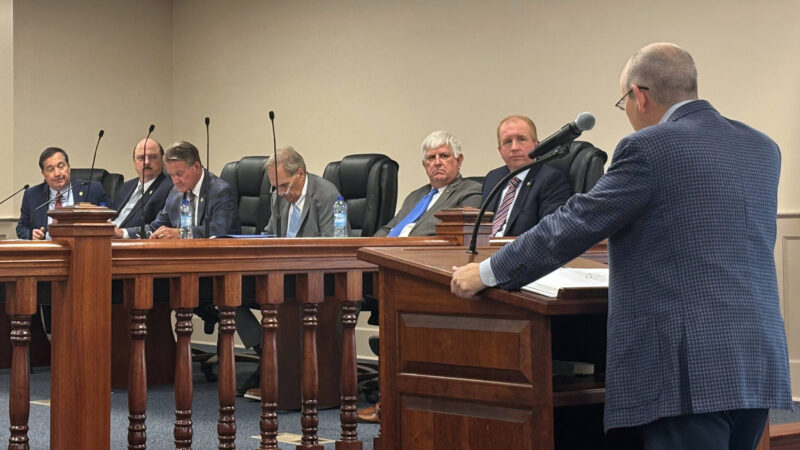
Alabama poised to drastically overhaul utility regulation. Will it lower electric bills?
The Alabama Senate unanimously voted to expand the public service commission, and create a Secretary of Energy to address rising electricity prices. A bill in the House would go even further, requiring rate case hearings and limiting utility profits.
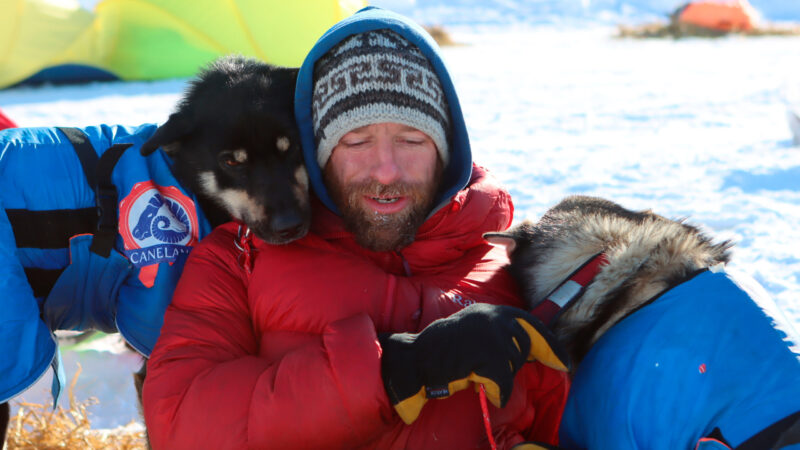
Musher from Alabama is going for back-to-back Iditarod wins
Riches and paid appearances haven’t followed Jessie Holmes since he won the world’s most famous sled dog race, the Iditarod, last year. He doesn't mind.
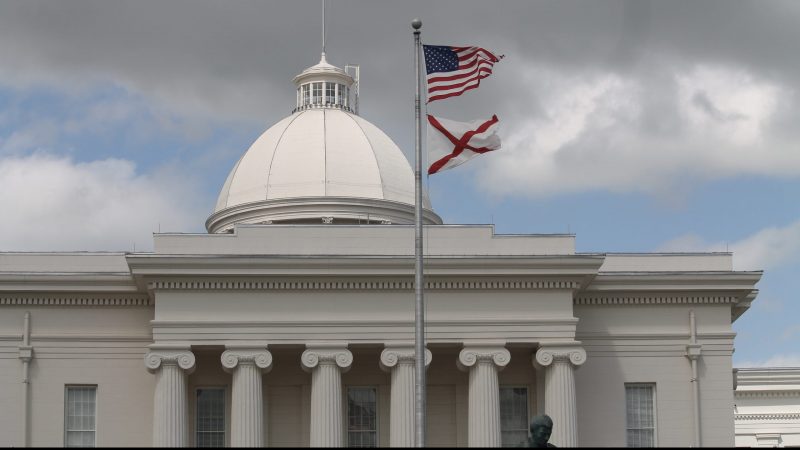
Bill would move Alabama to closed primaries
Right now, any Alabama voter can participate in a primary election. Lawmakers in Montgomery took up a bill this week that would change that system.
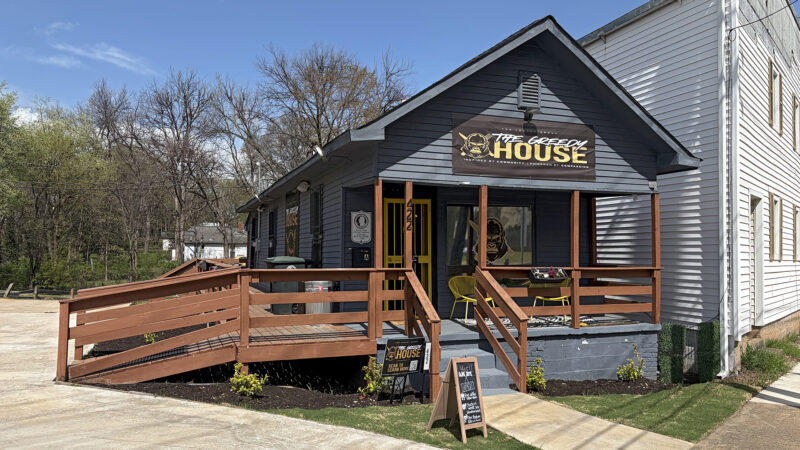
Auburn football player uses NIL funds to open a community hub in Birmingham
Jourdin Crawford, a freshman defensive lineman at Auburn, used earnings from a Name, Image, and Likeness deal to give back to his hometown.
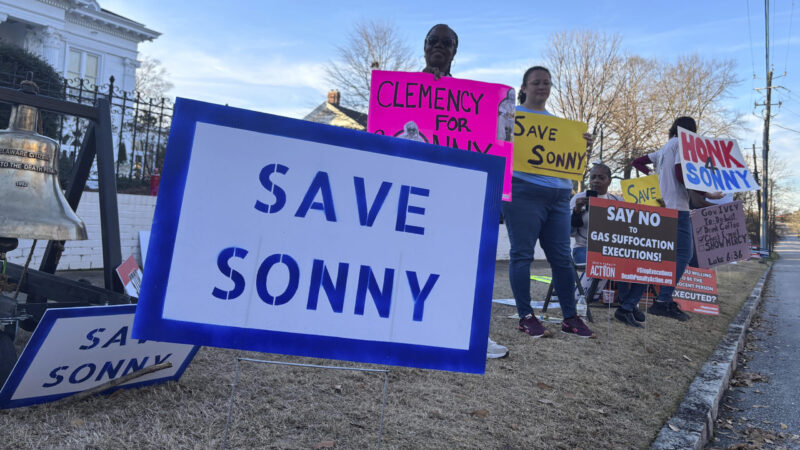
Ivey commutes death sentence of inmate whose accomplice fired fatal shot
Charles “Sonny” Burton was sentenced to death for the killing of Doug Battle during a 1991 robbery. However, another man shot Battle when Burton had left the building.