
Inside Interpreting
For several days, your back has been killing you. You make an appointment with a doctor, camp out in the waiting room. And finally, when you’re ushered back to the doctor’s office, he greets you in Spanish.
That’s how it feels for the thousands of Hispanic immigrants in Alabama who speak limited English. Until recently, there was a severe shortage of qualified interpreters to help them with medical, social, and legal problems. But Isabel Rubio, director of the Hispanic Interest Coalition of Alabama, or HICA, says that’s changing.
“At HICA we identify, recruit, and train qualified bilingual people to act as interpreters. We’ve trained upwards of 45 people, in less than 12 calendar months. When we get a phone call, someone needs an interpreter, we’ve always been able to dispatch an interpreter within an hour.”
And, they don’t just focus on Birmingham.
“We can serve the state, if we need to. We’re sending somebody down to Wedowee in the next couple of weeks, to do some work. We might need a little bit more time than an hour to get down there, though.”
The terms “interpreter” and “translator” are often used interchangeably, but they’re actually very different. Translators work with written documents, while interpreters have to deal with spoken conversations, in real time’which can mean a lot of added pressure. Interpreter Carolyn Crocker…
“Because people are telling you their life stories, and you want to get that right. The story gets longer and longer, and I’m waiting to interpret, and’sometimes I say, ‘Stop, and let me catch up!’ but sometimes if it works well, I’ll just start interpreting simultaneously. The main thing is to communicate the idea, the best you can. The most clearly.”
For interpreter Omaira Oviol, who moved to Birmingham from her native Venezuela, the most emotionally wrenching work is in the medical field.
“I’ve had the chance to see children with physical problems that they can do nothing about. That is what really upsets me, because I love children.”
But even a person who’s sensitive, and concerned, and fluent in two languages doesn’t necessarily add up to a good interpreter, according to Isabel Rubio.
“We’ve had the analogy given to us by the American Translators Association that, just because you have two hands doesn’t mean that you can play the piano. And it’s very similar with interpreting.”
Perhaps the toughest part of the job, Rubio says, is staying completely impartial’not trying to improve, or to elaborate on, what’s being said by either party.
“Interpreters are conduits for communication. They’re only a mouthpiece. If we stop for a moment and think about how delicate communication is, period, just between people who speak the same language’and then you get in a situation where you have people who come from different cultures and don’t speak the same language, having a qualified, trained interpreter there to facilitate that communication is just imperative.”
The pressure is especially high on court interpreters, according to Sigfredo Rubio, a native of Puerto Rico who works as a paralegal with a Birmingham law firm. He’d like for all court interpreters to be certified.
“We can relax and say, well this person is certified and we’re going to hold that interpreter accountable for their mistakes.”
Toward that end, the Hispanic Interest Coalition of Alabama recently formed the Interpreter and Translator Association of Alabama. Sometimes cultural differences can be as big a hurdle as the language barrier itself.
“For example, the fact that a person from Guatemala will not look you straight in the eye when addressing you doesn’t mean they may be lying or hiding something. It’s a form of respect towards you. But people may think, ‘Oh, I don’t think this person is telling me the truth, just by the fact that they’re not looking at me.’ So it gets very emotional, it gets very hard. You’ve got to have an understanding, not just of the two languages that you’re interpreting, but also of the culture.”
Those cultural and language barriers can loom especially large in the legal system, as one young Guatemalan mother living in north Alabama has learned. We’ll bring you her story, tomorrow on this program.

Crew of fatal US military crash included Alabama father recently deployed
The six U.S. service members who died in the crash of a U.S. military refueling aircraft included an Alabama father who had just been promoted and deployed. The U.S. government released the identities of the deceased service members Saturday.
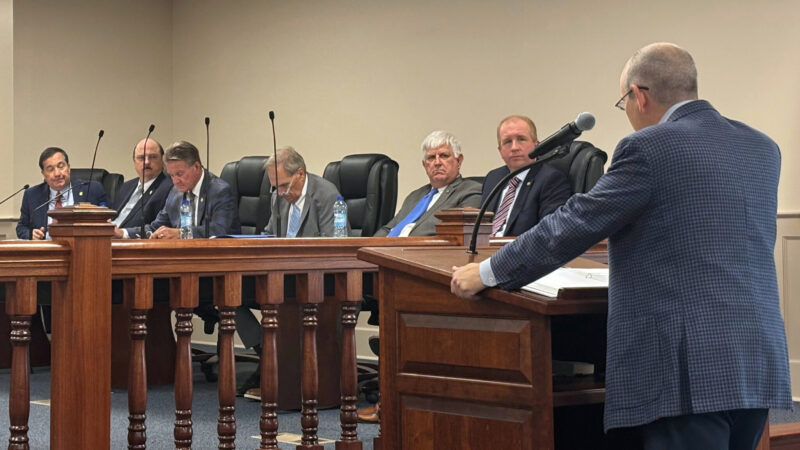
Alabama poised to drastically overhaul utility regulation. Will it lower electric bills?
The Alabama Senate unanimously voted to expand the public service commission, and create a Secretary of Energy to address rising electricity prices. A bill in the House would go even further, requiring rate case hearings and limiting utility profits.

Musher from Alabama is going for back-to-back Iditarod wins
Riches and paid appearances haven’t followed Jessie Holmes since he won the world’s most famous sled dog race, the Iditarod, last year. He doesn't mind.
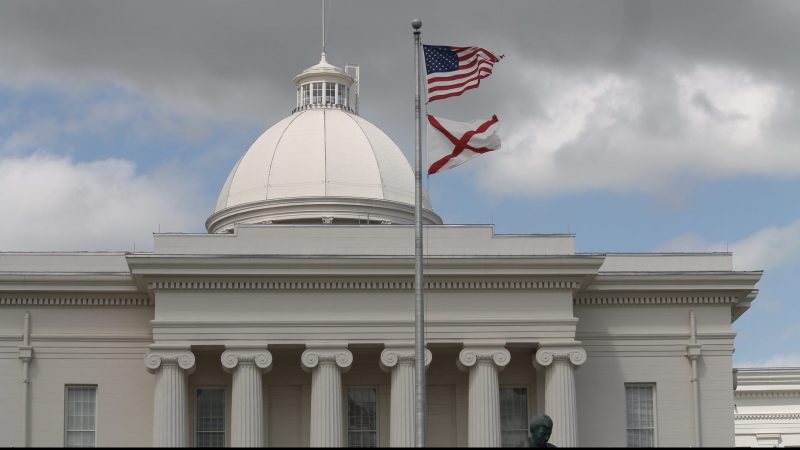
Bill would move Alabama to closed primaries
Right now, any Alabama voter can participate in a primary election. Lawmakers in Montgomery took up a bill this week that would change that system.
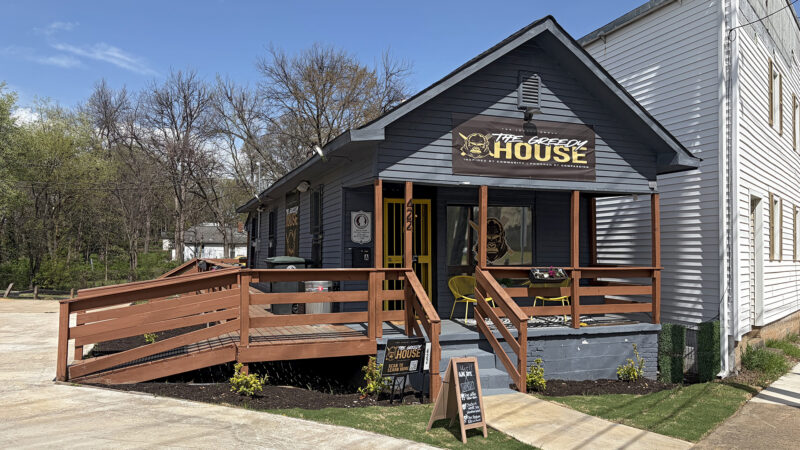
Auburn football player uses NIL funds to open a community hub in Birmingham
Jourdin Crawford, a freshman defensive lineman at Auburn, used earnings from a Name, Image, and Likeness deal to give back to his hometown.
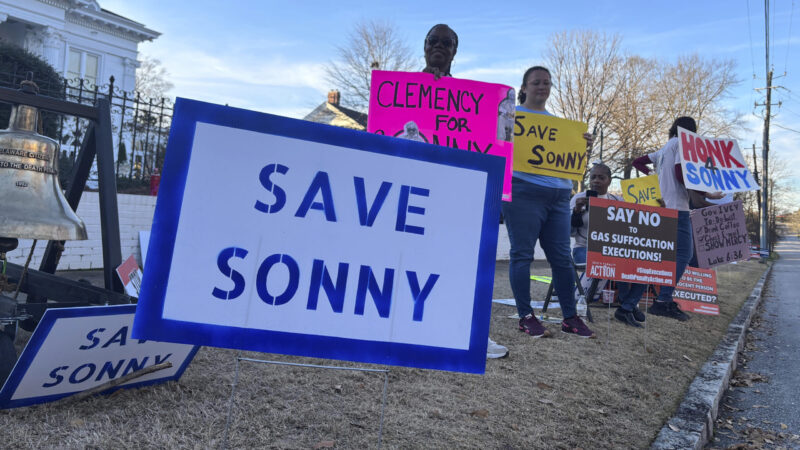
Ivey commutes death sentence of inmate whose accomplice fired fatal shot
Charles “Sonny” Burton was sentenced to death for the killing of Doug Battle during a 1991 robbery. However, another man shot Battle when Burton had left the building.
