
Anti War Movement
Critics brand anti-war protesters as unpatriotic, and jab them for not supporting U.S. troops. Diane McNaron says that’s just not fair:
“We certainly would not deny that American troops and British troops are very, very brave, and are probably doing what they feel is the right thing as individuals. But I would support them by bringing them home, not by having them there at all.”
Despite their controversy, protests like these are not just a relic of the Vietnam War era, says Jonathan Bass, Assistant Professor of History at Samford University. In fact, they are part of a long tradition of dissent in U.S. history:
“Even from the American Revolution on down, a least a third of Americans were Loyalists. The War of 1812 was protested. Even New England considered at one time seceding from the Union over the war of 1812.”
Dissent existed in the North during the American Civil War, adds Bass, with New York a large anti-war protest site. The Mexican-American War, which broke out in 1846, stirred much dissent as well:
“Henry David Thoreau wrote on civil disobedience in protest to war and taxation issues related to that war.”
Bass adds that the Spanish-American War of 1898 bred vigorous dissent – and an American anti-imperialist campaign:
Bass: “Mark Twain – if you read some of his stuff from the time period — is very acid-penned.”
In Mark Twain’s The War Prayer, a stranger enters a patriotic church service and addresses the crowd, reminding them that by praying for victor they are also praying for the destruction of the enemy.
“O Lord our God, Help us to tear their soldiers to bloody shreds with our shells; Help us to cover their smiling fields with the pale forms of their patriot dead; Help us to turn them out roofless with their little children to wander unfriended the wastes of their desolated land in rags and hunger and thirst. We ask it, in the spirit of love, of Him Who is the Source of Love. Amen.”
During World War 1, dissent existed even at the highest levels of President Wilson’s administration, says Samford University’s Jonathan Bass.
“William Jennings Bryan who receives the Democratic nomination for the second time in 1900, campaigns against America’s involvement. As a matter of fact, he will be Secretary of State under Woodrow Wilson, and will resign as Secretary of State because he believes Wilson is pushing the country towards war.”
People didn’t just lose their jobs for protesting World War One. They lost their freedom, says UAB History Professor Stephen Miller.
Miller: “At that time there was a fairly large Socialist Movement in the U. S. Eugene Debs was head of the U.S. Socialist Party and the U.S. had a Labor Movement – the IWW, the International Workers of the World. And prior to World War One, the leaders of these parties all opposed the war. And when the U.S. entered the War, all the leaders were systematically jailed under Woodrow Wilson. That’s just an untold part of American history, but it’s true.”
Historians note that World War Two was probably the only major war without large groups of organized dissenters. Opposition to the war did exist until the bombing of Pearl Harbor. But as knowledge of Nazi Germany grew, most antiwar activists decided to fight fascism. After the war, many of them re-entered the peace movement, which got a big boost from the Vietnam War. Fueled by television images of dead American soldiers and Vietnamese civilians, anti-war demonstrations peaked at two million participants nationwide during October of 1969. A month later, about 500,000 protested in Washington D.C. and the movement remained strong throughout the conflict.
But American opposition to the 2003 Iraq War has grown larger and spread faster than the Vietnam protests. In January – even before the war began –authorities cited 100,000 protesters in both Washington, D.C. and San Francisco, while organizers say the crowds cleared 850, 000. Jonathan Bass, author of “Blessed are the Peacemakers,” distinguishes peace movements – usually dominated by traditional pacifist or religious convictions – from antiwar movements, which may have other agendas:
“What I’m hearing is not so much antiwar opposition as anti-Bush.”
Having failed to stop the conflict in Iraq, leaders in the antiwar movement are at a crossroads — trying to re-define present and future goals. Still, many plan to organize a broader campaign that deals with the causes and consequences of this war, and how to prevent more like it in the future.
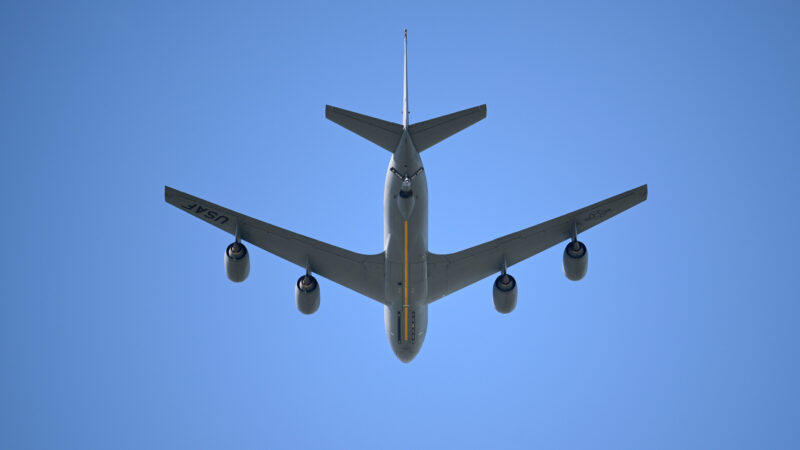
Crew of fatal US military crash included Alabama father recently deployed
The six U.S. service members who died in the crash of a U.S. military refueling aircraft included an Alabama father who had just been promoted and deployed. The U.S. government released the identities of the deceased service members Saturday.
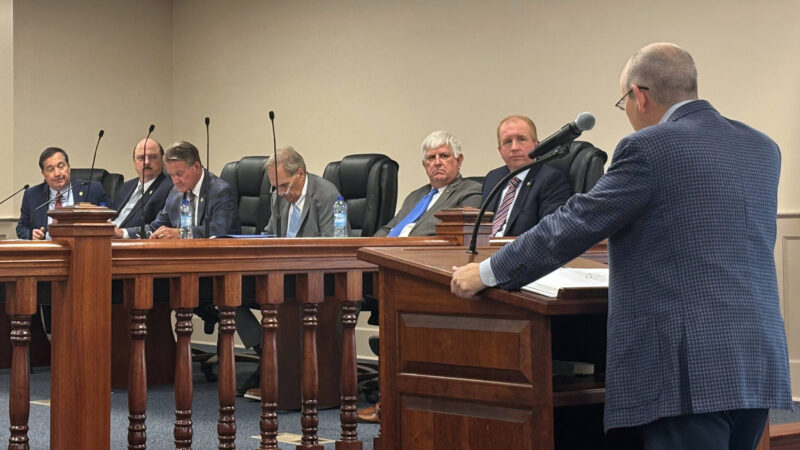
Alabama poised to drastically overhaul utility regulation. Will it lower electric bills?
The Alabama Senate unanimously voted to expand the public service commission, and create a Secretary of Energy to address rising electricity prices. A bill in the House would go even further, requiring rate case hearings and limiting utility profits.

Musher from Alabama is going for back-to-back Iditarod wins
Riches and paid appearances haven’t followed Jessie Holmes since he won the world’s most famous sled dog race, the Iditarod, last year. He doesn't mind.
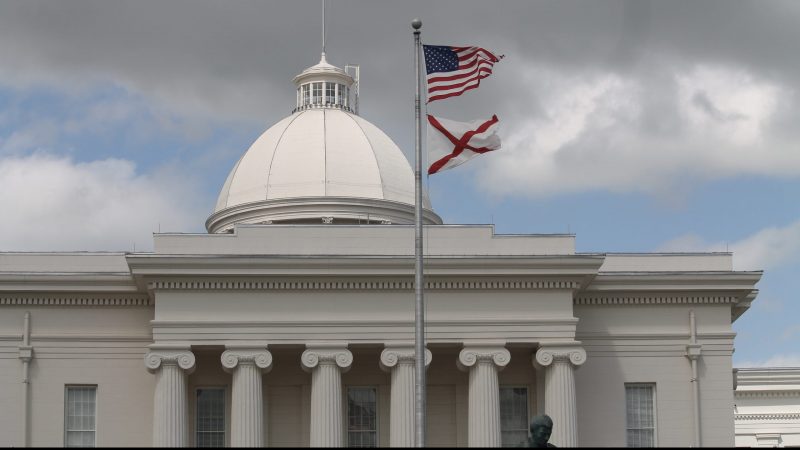
Bill would move Alabama to closed primaries
Right now, any Alabama voter can participate in a primary election. Lawmakers in Montgomery took up a bill this week that would change that system.
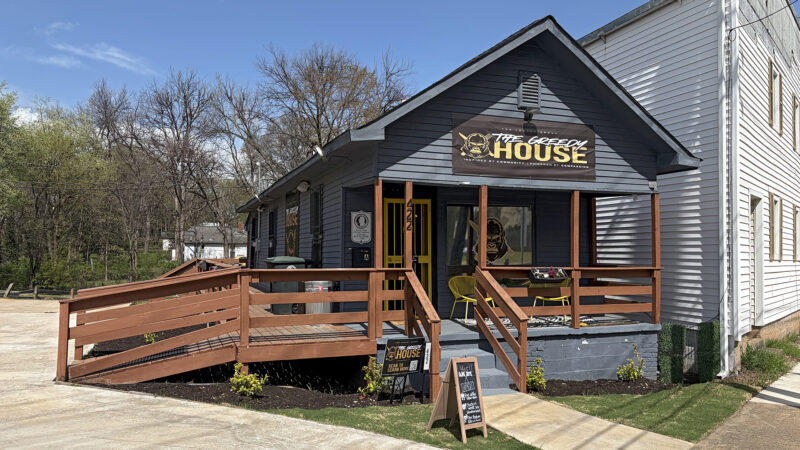
Auburn football player uses NIL funds to open a community hub in Birmingham
Jourdin Crawford, a freshman defensive lineman at Auburn, used earnings from a Name, Image, and Likeness deal to give back to his hometown.
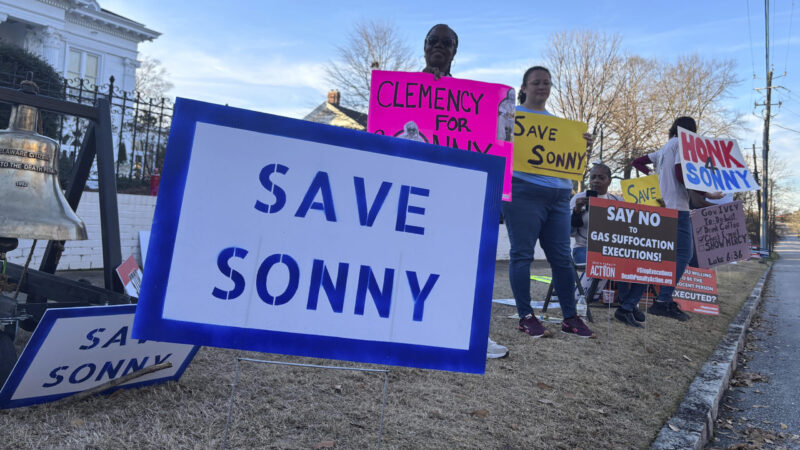
Ivey commutes death sentence of inmate whose accomplice fired fatal shot
Charles “Sonny” Burton was sentenced to death for the killing of Doug Battle during a 1991 robbery. However, another man shot Battle when Burton had left the building.